In the high-stakes world of professional kitchens, every tool must earn its place, delivering on efficiency, durability, and, most critically, safety. While a set of gleaming glass mixing bowls might look elegant in a home kitchen, they are conspicuously absent from the bustling environments of restaurants, bakeries, and catering operations. The reasons are far more profound than mere aesthetic preference; they stem from stringent safety protocols, practical limitations, and the relentless demands of a commercial setting.
Professional chefs and kitchen managers understand that the potential liabilities associated with glass vastly outweigh any perceived benefits. The dynamic, fast-paced nature of a commercial kitchen, where multiple tasks are juggled and equipment is constantly in motion, creates an environment where the inherent fragility of glass becomes an unacceptable risk. Choosing the right equipment is not just about convenience; it’s about safeguarding food integrity, ensuring staff well-being, and maintaining an uninterrupted workflow.
The Paramount Risk: Shattering and Food Contamination
The single most critical reason professional kitchens avoid glass bowls is their propensity to shatter. In an environment where food safety is paramount, a broken glass bowl isn’t just a cleanup chore; it’s a catastrophic contamination event. When glass breaks, it can fragment into countless tiny, often invisible, shards that scatter widely. These microscopic pieces pose an immense danger, as they can easily contaminate nearby food, surfaces, and equipment.
The presence of glass fragments in food is a zero-tolerance issue. Ingesting glass can lead to severe internal injuries, and even the smallest shard can cause choking or cuts. For professional establishments, this risk translates into immediate disposal of any food suspected of being contaminated, a complete shutdown of the affected area for thorough cleaning, and potential reputational damage or legal repercussions. As one chef noted on a culinary forum, “Glass shatters and can get into food. We don’t have any glass in the kitchen, if somebody breaks ceramic we throw out anything it was near because it’s just never worth the risk.” This highlights the strict protocols in place to prevent such hazards. Another experienced chef emphatically stated, “No glass on the line ever.”
Practical Drawbacks Beyond Breakage
Beyond the critical safety issue of shattering, glass bowls present several practical disadvantages that make them unsuitable for the rigors of a professional kitchen.
Weight and Handling
|
Our Picks for the Best Mixing bowl in 2026
As an Amazon Associate I earn from qualifying purchases.
|
||
| Num | Product | Action |
|---|---|---|
| 1 | Glad Mixing Bowls with Pour Spout, Set of 3 | Nesting Design Saves Space | Non-Slip, BPA Free, Dishwasher Safe Plastic | Kitchen Cooking and Baking Supplies, White |

|
| 2 | Priority Chef Premium Mixing Bowls With Lids Set, Airtight Lids, Thicker Stainless Steel, Non-Slip Base, 5 Nesting Steel Bowls for Kitchen, Large Prep Metal Bowl Set 1.5/2/3/4/5 Qt, Black |
|
| 3 | JoyJolt Stainless Steel Mixing Bowl Set - 6 Piece Nesting Bowls, 5qt to 0.5qt, Ideal for Kitchen, Cooking, Baking and Storage |
|
| 4 | OXO Good Grips 5-Quart Mixing Bowl |
|
| 5 | Fox Run Brands 2.75-Quart Stainless Steel Mixing Bowl, 9 x 9 x 4 inches, Metallic |
|
| 6 | Winco , 8-Quart, Stainless Steel (MXB-800Q) |
|
| 7 | Glad Mixing Bowls with Pour Spout, Set of 3 | Nesting Design Saves Space | Non-Slip, BPA Free, Dishwasher Safe Plastic | Kitchen Cooking and Baking Supplies, Sage Green |
|
| 8 | Winco 5 Quart Heavy-Duty Stainless Steel Mixing Bowl, Deep |
|
| 9 | Umite Chef Mixing Bowls with Airtight Lids Set, 8PCS Stainless Steel Khaki Nesting Bowls with Grater Attachments, Kitchen Bowls with Non-Slip Bottoms, Size 5, 4, 3.5, 2, 1.5QT for Mixing & Serving |
|
| 10 | Cuisinart Mixing Bowl Set, Stainless Steel, 3-Piece, CTG-00-SMB |
|
Glass bowls are significantly heavier than their stainless steel or plastic counterparts. In a professional setting, where chefs and cooks handle multiple bowls throughout a shift, often filled with heavy ingredients like dough or large quantities of batter, this added weight contributes to fatigue and increases the risk of accidental drops. Moving heavy, slippery glass bowls, especially when wet or greasy, is cumbersome and inefficient. Storing stacks of heavy glass bowls also poses ergonomic challenges and can be a logistical headache in limited kitchen spaces.
Thermal Shock Vulnerability
While many glass bowls are designed to be oven-safe for indirect heat, they are generally susceptible to thermal shock. This means rapid changes in temperature—such as placing a cold glass bowl directly onto a hot surface like a hob or a warm ingredient into a chilled bowl—can cause them to crack or shatter. This vulnerability limits their versatility in a fast-paced kitchen where ingredients might need to be quickly heated, cooled, or transferred between different temperature zones. Stainless steel, by contrast, can handle extreme temperature fluctuations with ease.
Durability and Longevity
The robust nature of professional kitchens demands equipment that can withstand constant use, impact, and frequent washing. Glass, despite its rigidity, is inherently brittle. A single accidental knock against a countertop, a fall onto a hard floor, or even rough handling during washing can lead to chips, cracks, or complete breakage. This lack of durability means a higher replacement rate, increasing operational costs and workflow interruptions.
Cleaning and Hygiene
While glass is non-porous and generally easy to clean, its weight and slippery nature when wet can make handling it safely during dishwashing more challenging. Furthermore, any unnoticed chip or crack can harbor bacteria, compromising hygiene standards. The transparency of glass can also be a double-edged sword; while it allows visibility of contents, minor damages might be harder to spot under fast-paced conditions, creating hidden risks.
Preferred Alternatives in Professional Kitchens
Given the inherent drawbacks of glass, professional kitchens overwhelmingly opt for materials that offer superior safety, durability, and practicality.
Stainless Steel Mixing Bowls
Stainless steel bowls are the undisputed champions of commercial kitchens. Their popularity is due to a compelling combination of features:
- Durability: Virtually indestructible, they can withstand drops, knocks, and heavy use without breaking or deforming.
- Lightweight: Easy to handle, even when full, reducing strain and increasing efficiency.
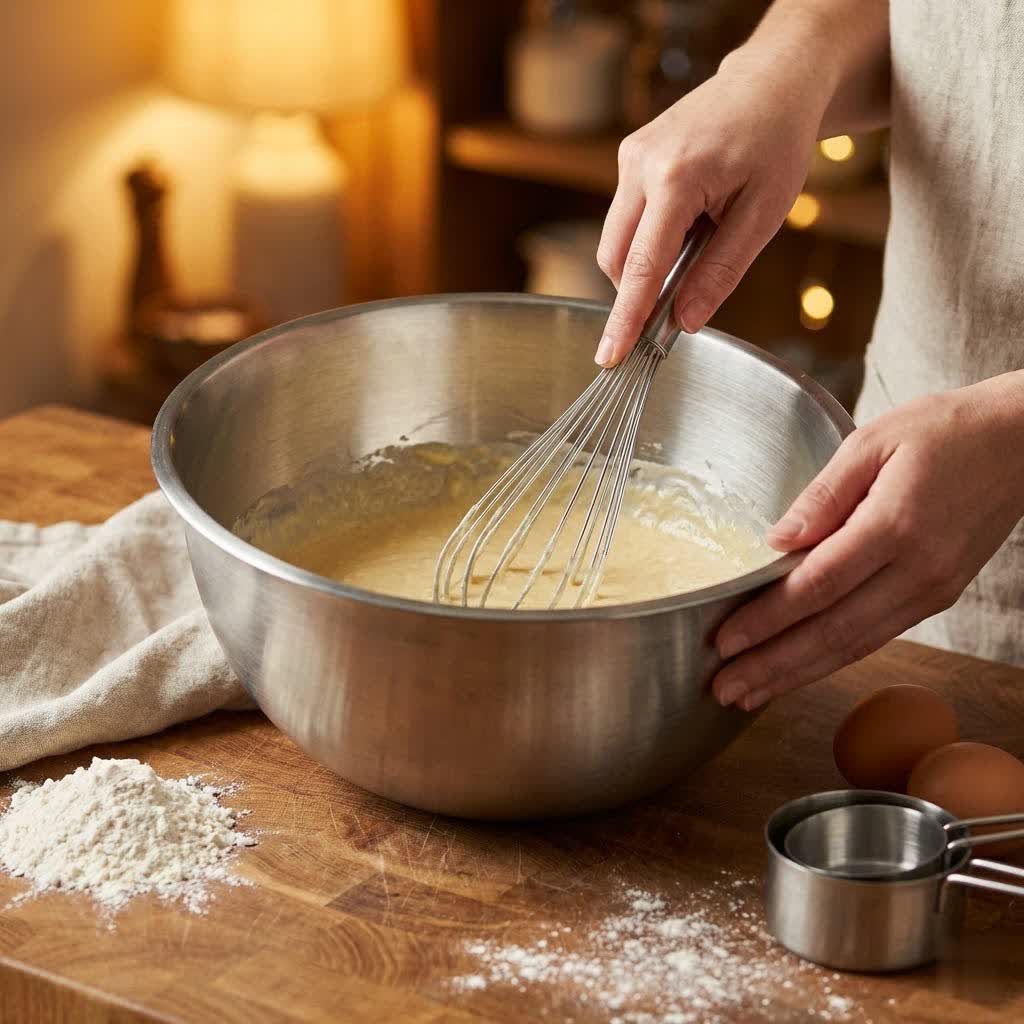
- Thermal Versatility: Excellent for hot and cold applications. They can be placed over a bain-marie to melt chocolate or quickly chilled in an ice bath without fear of thermal shock.
- Hygiene: Non-reactive, non-porous, and easy to sanitize, they don’t harbor bacteria or absorb odors and flavors.
- Cost-Effectiveness: While the initial investment might be slightly higher than cheap plastic, their longevity makes them far more economical in the long run.
Heavy-Duty Plastic (Polycarbonate) Mixing Bowls
High-quality, heavy-duty plastic or polycarbonate bowls also find a place in professional kitchens, particularly for lighter tasks or when weight is a critical factor.
- Lightweight and Impact Resistant: They are extremely light and resist shattering, making them safer than glass for certain applications.
- Cost-Effective: Generally more affordable than stainless steel.
- Specific Uses: Ideal for mixing cold ingredients, prep work, or storing food in refrigerators.
However, concerns exist regarding their susceptibility to scratching, which can harbor bacteria, and their potential to absorb odors or colors from strong ingredients. They also have lower heat resistance compared to stainless steel.
Ceramic/Stoneware (Niche Applications)
While not common for general mixing, ceramic or stoneware bowls might be found in professional kitchens for very specific, niche applications, such as proofing dough due to their heat retention properties, or for serving. However, their weight and fragility mean they are used with extreme caution and in limited capacities.
Comparison Table: Glass vs. Professional Favorites
| Feature | Glass Bowls | Stainless Steel Bowls | Heavy-Duty Plastic Bowls |
|---|---|---|---|
| Durability | Low (shatters) | Very High | High (impact resistant) |
| Weight | Heavy | Lightweight | Very Lightweight |
| Safety (Breakage) | Very Low (shards) | Very High | High (no shattering) |
| Thermal Shock | Poor | Excellent | Fair (limited heat) |
| Hygiene | Good (non-porous) | Excellent | Good (can scratch) |
| Versatility | Limited | Very High | Medium |
| Cost | Medium | Medium-High | Low-Medium |
Choosing the Right Bowls for Commercial Operations
For any professional kitchen, selecting mixing bowls comes down to a few critical considerations:
Safety First
The absolute priority must be the elimination of hazards. This means opting for materials that do not shatter into dangerous fragments and adhering to strict “no glass” policies for all food preparation areas.
Material Matters
Stainless steel bowls are the gold standard due to their unparalleled durability, thermal versatility, and hygienic properties. For specific tasks requiring lighter weight or lower cost, high-quality, commercial-grade plastic bowls can be a viable supplementary option.
Size and Versatility
Professional kitchens require a range of bowl sizes to accommodate varying batch sizes and tasks, from whisking a single egg to mixing large quantities of dough. Look for nested sets that save space and offer comprehensive utility.
Ease of Cleaning and Maintenance
Bowls must be easy to clean and sanitize quickly to meet health code requirements and maintain workflow. Non-porous materials that resist staining and odor absorption are ideal.
Conclusion
The absence of glass bowls in professional kitchens is not an oversight but a deliberate, well-reasoned choice driven by the critical imperatives of safety, efficiency, and durability. The risk of shattering and subsequent food contamination is simply too high, making glass an unacceptable material in an environment where precision and hygiene are non-negotiable. Instead, the resilient, versatile, and safe qualities of stainless steel and heavy-duty plastic bowls have cemented their status as the preferred tools of the trade. Understanding these choices ensures not only a smoother operation but, more importantly, a safer dining experience for all. What specific challenges have you faced in your kitchen that highlight the need for robust equipment?
Frequently Asked Questions
Are glass bowls completely banned in professional kitchens?
While not universally “banned” by law, strict internal policies in most professional kitchens prohibit glass bowls in food preparation areas due to the high risk of shattering and food contamination. Exceptions might exist for certain front-of-house displays or specific, contained applications, but rarely for active mixing.
What are the biggest dangers of broken glass in food?
The primary danger is the ingestion of glass shards, which can cause severe internal injuries, bleeding, and potentially lead to choking. Even microscopic fragments can be hazardous and are difficult to detect, making broken glass a critical food safety hazard.
Why are stainless steel bowls preferred over glass in professional settings?
Stainless steel bowls are preferred because they are highly durable, lightweight, resistant to thermal shock, non-reactive with food, and incredibly easy to clean and sanitize. These properties make them safe, efficient, and long-lasting in a demanding kitchen environment.
Can plastic bowls be used in professional kitchens?
Yes, heavy-duty, commercial-grade plastic (often polycarbonate) bowls are used in professional kitchens. They are lightweight, impact-resistant, and cost-effective. However, they may be less heat-resistant and can scratch over time, potentially harboring bacteria, requiring careful selection and maintenance.
How do professional kitchens manage broken glass?
When glass breaks, professional kitchens follow stringent protocols. This typically involves immediately stopping all food preparation, cordoning off the area, carefully sweeping and vacuuming all visible shards, and discarding any food that might have been exposed to contamination. The area is then thoroughly sanitized, and staff often wear protective gear.