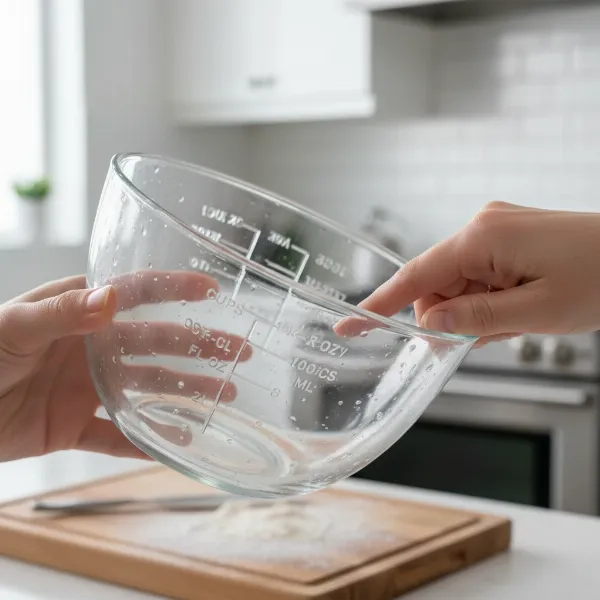
In the culinary world, achieving perfection often hinges on precision, especially when dealing with delicate ingredients. While many kitchen tasks demand direct, robust heat, some require a more subtle touch. This is where a double boiler, and crucially, a double boiler safe mixing bowl, becomes indispensable. Understanding the unique demands of gentle heating and selecting the right bowl can elevate your cooking, ensuring smooth sauces, perfectly melted chocolate, and flawless custards every time.
Understanding the Double Boiler: Gentle Heat for Delicate Ingredients
A double boiler is an ingenious kitchen setup designed to provide gentle, indirect heat to its contents. It typically consists of a larger pot filled with simmering water and a smaller bowl or pot nested above it, never touching the water directly. The ingredients in the top bowl are heated solely by the steam rising from the water below.
This method is crucial for ingredients that are sensitive to direct heat, which can easily scorch, curdle, or seize. Think of tempering eggs for a silky custard, melting delicate chocolate without it burning or becoming grainy, or crafting a creamy hollandaise sauce without scrambling the yolks. The controlled, even warmth provided by a double boiler prevents these common culinary pitfalls, ensuring a smooth, consistent result that direct heat simply cannot achieve.
The Essential Role of a Double Boiler Safe Mixing Bowl
While dedicated double boiler sets are available, many home cooks opt for a DIY setup using a saucepan and a mixing bowl. However, not just any bowl will do. The safety and success of your double boiler depend entirely on choosing a mixing bowl that can withstand sustained heat without breaking, warping, or leaching harmful chemicals into your food. The right bowl ensures efficient heat transfer, consistent results, and, most importantly, keeps your kitchen safe. It must fit snugly over your pot, preventing steam from escaping too quickly, and crucially, its bottom should remain suspended above the simmering water to ensure indirect heating.
Popular Types of Double Boiler Safe Mixing Bowls
When selecting a mixing bowl for your double boiler, material is paramount. Each type offers distinct advantages and disadvantages.
Glass Mixing Bowls
Glass mixing bowls, especially those made from borosilicate glass (like Pyrex), are a popular choice for double boilers.
- Pros: Their transparency allows you to visually monitor the ingredients, which is incredibly useful for delicate tasks like melting chocolate or tempering eggs. They are non-reactive, meaning they won’t impart any flavors or chemicals to your food, and they are generally easy to clean.
- Cons: Glass can be heavy and, despite being heat-safe, is susceptible to thermal shock if exposed to sudden, drastic temperature changes. They can also shatter if dropped or impacted.
- Best For: Tasks requiring visual monitoring, such as melting chocolate or making custards, and when non-reactivity is critical for flavor purity.
|
Our Picks for the Best Mixing bowl in 2026
As an Amazon Associate I earn from qualifying purchases.
|
||
| Num | Product | Action |
|---|---|---|
| 1 | Fox Run Brands 2.75-Quart Stainless Steel Mixing Bowl, 9 x 9 x 4 inches, Metallic |

|
| 2 | Umite Chef Mixing Bowls with Airtight Lids Set, 8PCS Stainless Steel Khaki Nesting Bowls with Grater Attachments, Kitchen Bowls with Non-Slip Bottoms, Size 5, 4, 3.5, 2, 1.5QT for Mixing & Serving |
|
| 3 | Winco 5 Quart Heavy-Duty Stainless Steel Mixing Bowl, Deep |
|
| 4 | Cuisinart Mixing Bowl Set, Stainless Steel, 3-Piece, CTG-00-SMB |
|
| 5 | Winco , 8-Quart, Stainless Steel (MXB-800Q) |
|
| 6 | Glad Mixing Bowls with Pour Spout, Set of 3 | Nesting Design Saves Space | Non-Slip, BPA Free, Dishwasher Safe Plastic | Kitchen Cooking and Baking Supplies, Sage Green |
|
| 7 | Glad Mixing Bowls with Pour Spout, Set of 3 | Nesting Design Saves Space | Non-Slip, BPA Free, Dishwasher Safe Plastic | Kitchen Cooking and Baking Supplies, White |
|
| 8 | OXO Good Grips 5-Quart Mixing Bowl |
|
| 9 | Priority Chef Premium Mixing Bowls With Lids Set, Airtight Lids, Thicker Stainless Steel, Non-Slip Base, 5 Nesting Steel Bowls for Kitchen, Large Prep Metal Bowl Set 1.5/2/3/4/5 Qt, Black |
|
| 10 | JoyJolt Stainless Steel Mixing Bowl Set - 6 Piece Nesting Bowls, 5qt to 0.5qt, Ideal for Kitchen, Cooking, Baking and Storage |
|
Stainless Steel Mixing Bowls
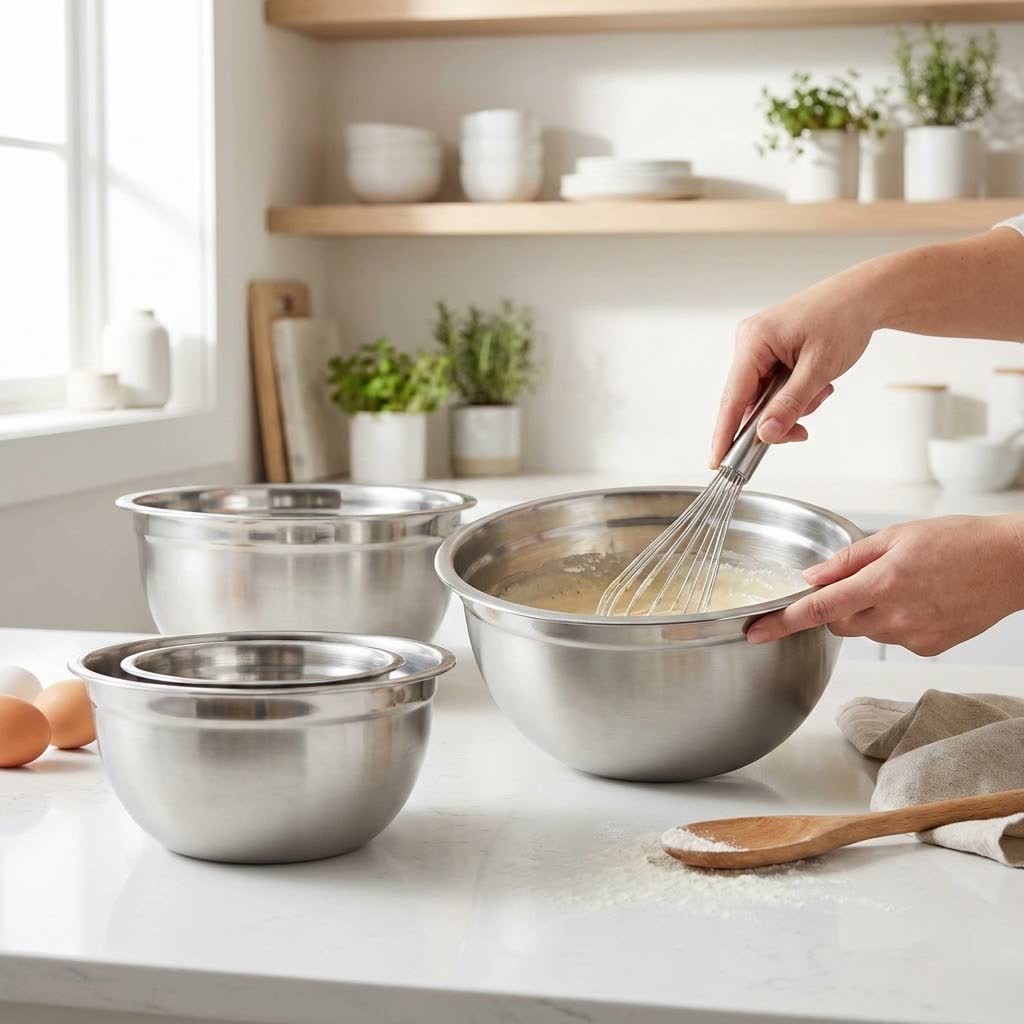
Stainless steel mixing bowls are a kitchen staple and an excellent choice for double boiler use.
- Pros: They are exceptionally durable, lightweight, and resistant to rust and staining. Stainless steel is also non-reactive, making it suitable for a wide range of ingredients. It conducts heat efficiently, which can speed up the melting process.
- Cons: While good conductors, they can get very hot to the touch, requiring careful handling with oven mitts. Some lower-quality stainless steel might scratch over time.
- Best For: General-purpose melting, whisking, and when durability and lightweight design are priorities.
Ceramic Mixing Bowls
Certain ceramic mixing bowls can also be used in a double boiler setup, provided they are explicitly labeled as heat-safe or oven-safe.
- Pros: Ceramic bowls are aesthetically pleasing and retain heat exceptionally well, which can be beneficial for keeping ingredients warm over a longer period. They are also non-reactive.
- Cons: They tend to be heavier and more prone to chipping or cracking if dropped. Their thicker walls might also transfer heat less efficiently than metal or thinner glass, potentially slowing down the process.
- Best For: Recipes that benefit from sustained, gentle heat, such as slow-set custards or keeping warm sauces.
Plastic Mixing Bowls (To Be Avoided for Double Boiler Use)
While plastic mixing bowls are common for everyday mixing due to their affordability, lightness, and variety of colors, they are categorically unsuitable for double boiler applications.
- Pros: (Generally for other uses) Inexpensive, lightweight, diverse.
- Cons: Plastic is not designed for high, sustained heat. It can melt, warp, or leach harmful chemicals (like BPA) into your food when heated, ruining both your ingredients and potentially your cookware.
- Recommendation: Absolutely avoid plastic for any double boiler or direct heating method.
Comparison Table of Mixing Bowl Materials
| Feature | Glass Mixing Bowls | Stainless Steel Mixing Bowls | Ceramic Mixing Bowls |
|---|---|---|---|
| Durability | Medium (fragile) | High | Medium (can chip/crack) |
| Weight | Heavy | Light | Heavy |
| Price | Medium | Medium | High |
| Cleaning | Easy (non-porous) | Easy | Easy (non-porous) |
| Heat Safety | High (if borosilicate) | High | High (if heat-safe grade) |
| Visibility | Excellent | None | None |
| Reactivity | Non-reactive | Non-reactive | Non-reactive |
| Heat Transfer | Moderate | High (faster heating) | Moderate (retains heat) |
How to Choose the Right Double Boiler Safe Mixing Bowl
Selecting the perfect mixing bowl for your double boiler setup involves a few key considerations.
Determine Your Purpose
What will you primarily use your double boiler for? If it’s for melting small amounts of chocolate or tempering eggs, a smaller, highly conductive stainless steel bowl might be ideal. For larger batches of sauces or custards where visual monitoring is helpful, a medium-sized borosilicate glass bowl could be better.
Choose an Appropriate Size
The bowl must be large enough to hold your ingredients comfortably and fit securely over your saucepan, completely covering its opening. Crucially, it must not touch the simmering water below. There should be a gap of at least a few inches between the bottom of the mixing bowl and the water to ensure indirect heating by steam, not direct conduction from the hot water. A bowl that is too large might be unstable, while one that is too small could allow too much steam to escape.
Prioritize Material Safety and Suitability
Always opt for materials specifically labeled as heat-safe. Borosilicate glass, high-quality stainless steel, and oven-safe ceramic are your best bets. Double-check that stainless steel is food-grade. Absolutely steer clear of plastic, even if it’s labeled “microwave-safe,” as microwave safety does not equate to double boiler safety. The material should be non-reactive to prevent any metallic taste or chemical leaching, especially with acidic ingredients.
Consider Durability and Ease of Cleaning
A durable bowl will last longer and withstand the rigors of frequent use. Stainless steel is highly durable and often dishwasher safe. Glass bowls are also easy to clean but require more careful handling. Ensure the bowl can withstand repeated heating and cooling cycles without degradation.
Research Reputable Brands
Investing in bowls from well-known brands that specialize in kitchenware can provide peace of mind regarding quality and safety. Brands like Pyrex (for glass) and those renowned for stainless steel kitchen tools often offer reliable options that meet the demands of double boiler use.
“The subtle art of using a double boiler truly transforms delicate ingredients. The right bowl is not just a container; it’s a critical tool for control, preventing culinary disasters and ensuring professional-level results.” – Chef Antoine Dubois, Renowned Pastry Chef.
Conclusion
A double boiler safe mixing bowl is more than just another piece of kitchen equipment; it’s an essential tool for mastering delicate culinary techniques. By understanding the unique properties of glass, stainless steel, and ceramic, and carefully considering factors like size, safety, and durability, you can select the perfect companion for your gentle heating needs. This thoughtful choice will empower you to confidently melt, temper, and create with precision, transforming ordinary ingredients into extraordinary dishes.
What culinary challenge will you tackle next with your perfectly chosen double boiler safe mixing bowl?
Frequently Asked Questions
Can I use any glass bowl for a double boiler?
No, not all glass bowls are suitable. It is crucial to use a bowl made from heat-safe glass, such as borosilicate glass (often found in brands like Pyrex). Regular glassware can be susceptible to thermal shock and may shatter when exposed to the sustained heat of a double boiler.
What is the ideal size for a mixing bowl in a DIY double boiler setup?
The ideal size is one that fits snugly over your bottom pot, completely covering the opening, but without its bottom touching the simmering water below. This ensures that your ingredients are heated by steam alone, preventing scorching and providing gentle, even warmth.
Why shouldn’t the mixing bowl touch the water in a double boiler?
If the mixing bowl touches the hot water, your ingredients will be exposed to direct heat, which is much more intense than steam. This can cause delicate ingredients like chocolate to seize, or eggs to curdle, defeating the purpose of using a double boiler for gentle, indirect heating.
Is stainless steel better than glass for a double boiler?
Both stainless steel and borosilicate glass are excellent choices. Stainless steel heats up faster and is more durable, while glass allows for visual monitoring of your ingredients. The “better” choice depends on your specific recipe and personal preference for heat transfer speed and visibility.
Can I melt chocolate in a microwave instead of a double boiler?
While you can melt chocolate in a microwave, it’s often more challenging to control the temperature and prevent scorching, especially with delicate chocolates. A double boiler offers more precise, gentle heat, leading to a smoother, more consistent melt without the risk of burning or seizing.