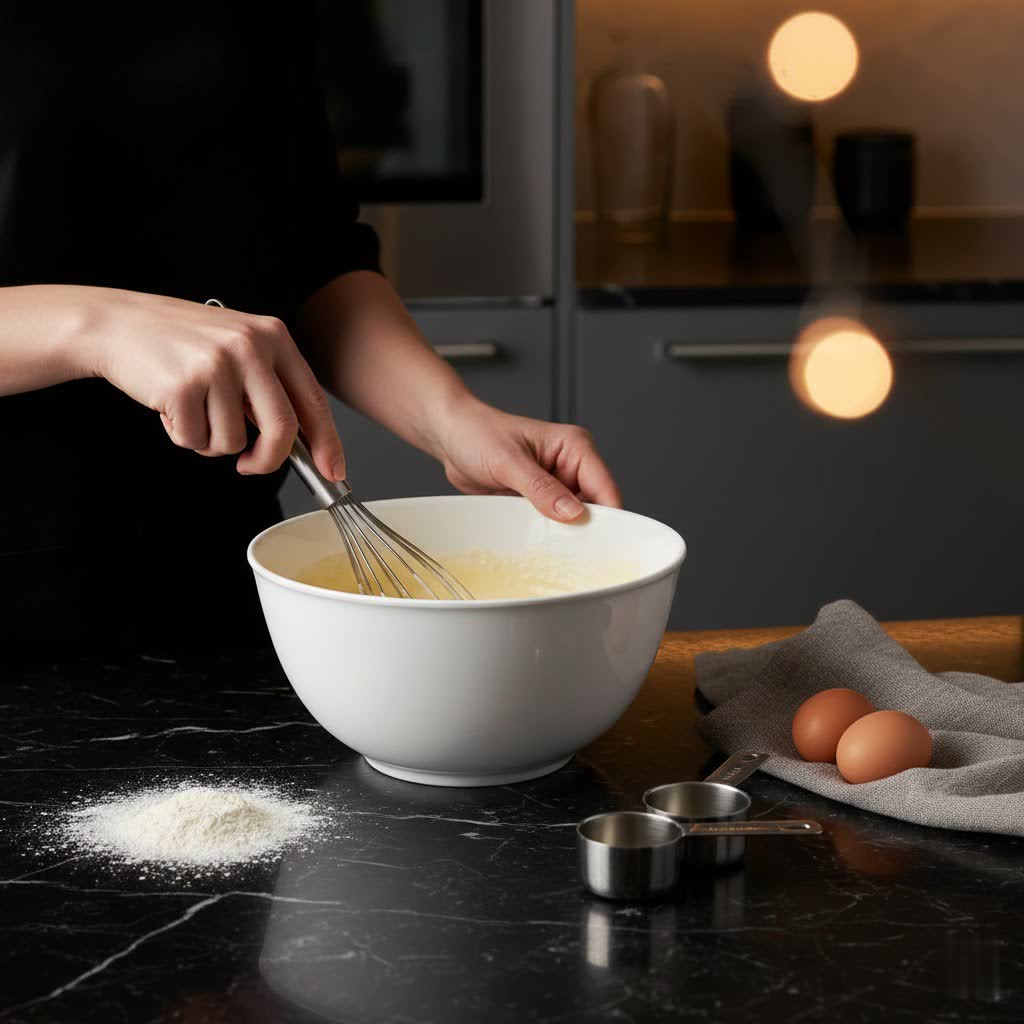
For passionate home bakers and culinary enthusiasts, an electric hand mixer is an indispensable tool, but its true potential is unlocked only when paired with the right heavy-duty mixing bowl. If you’ve ever wrestled with a wobbly bowl or endured ingredients splattering across your kitchen, you understand the frustration. Choosing the best heavy duty bowls for electric hand mixers isn’t just about size; it’s about stability, durability, and material science that withstands vigorous beating and whisking. This guide will delve into the essential characteristics of robust mixing bowls, helping you select the perfect companion for your electric hand mixer and ensure smooth, efficient, and mess-free culinary creations.
Common Types of Mixing Bowls
The world of mixing bowls offers a variety of materials, each with distinct advantages and disadvantages when used with an electric hand mixer. Understanding these differences is key to making an informed choice for your baking needs.
Glass Mixing Bowls
|
Our Picks for the Best Mixing bowl in 2026
As an Amazon Associate I earn from qualifying purchases.
|
||
| Num | Product | Action |
|---|---|---|
| 1 | Glad Mixing Bowls with Pour Spout, Set of 3 | Nesting Design Saves Space | Non-Slip, BPA Free, Dishwasher Safe Plastic | Kitchen Cooking and Baking Supplies, White |

|
| 2 | JoyJolt Stainless Steel Mixing Bowl Set - 6 Piece Nesting Bowls, 5qt to 0.5qt, Ideal for Kitchen, Cooking, Baking and Storage |
|
| 3 | Winco , 8-Quart, Stainless Steel (MXB-800Q) |
|
| 4 | Glad Mixing Bowls with Pour Spout, Set of 3 | Nesting Design Saves Space | Non-Slip, BPA Free, Dishwasher Safe Plastic | Kitchen Cooking and Baking Supplies, Sage Green |
|
| 5 | Winco 5 Quart Heavy-Duty Stainless Steel Mixing Bowl, Deep |
|
| 6 | OXO Good Grips 5-Quart Mixing Bowl |
|
| 7 | Cuisinart Mixing Bowl Set, Stainless Steel, 3-Piece, CTG-00-SMB |
|
| 8 | Priority Chef Premium Mixing Bowls With Lids Set, Airtight Lids, Thicker Stainless Steel, Non-Slip Base, 5 Nesting Steel Bowls for Kitchen, Large Prep Metal Bowl Set 1.5/2/3/4/5 Qt, Black |
|
| 9 | Fox Run Brands 2.75-Quart Stainless Steel Mixing Bowl, 9 x 9 x 4 inches, Metallic |
|
| 10 | Umite Chef Mixing Bowls with Airtight Lids Set, 8PCS Stainless Steel Khaki Nesting Bowls with Grater Attachments, Kitchen Bowls with Non-Slip Bottoms, Size 5, 4, 3.5, 2, 1.5QT for Mixing & Serving |
|
Glass mixing bowls are prized for their aesthetic appeal and transparency, allowing you to easily monitor your ingredients as they mix. They are non-reactive, meaning they won’t absorb odors or flavors, and are generally easy to clean. Many glass bowls are also microwave and dishwasher safe, adding to their convenience. However, their primary drawbacks include their weight and susceptibility to breakage, especially if dropped. For electric hand mixer use, their weight can offer good stability on the counter, but thin glass might not withstand constant vibration.
Stainless Steel Mixing Bowls
Stainless steel mixing bowls are a kitchen staple, widely lauded for their exceptional durability and lightweight nature. They can withstand vigorous mixing without denting or chipping, making them ideal for electric hand mixers. Their non-porous surface is hygienic and easy to clean, and most are dishwasher safe. While they are not microwave-safe, their ability to conduct temperature quickly can be beneficial for tasks like chilling butter or warming ingredients over a bain-marie. High-quality stainless steel bowls offer excellent stability and usually feature sturdy construction.
Plastic Mixing Bowls
Plastic mixing bowls are often the most affordable and lightweight option, available in a vast array of colors and sizes. They are highly resistant to breakage, making them a safe choice for busy kitchens. However, lower-quality plastics can sometimes absorb odors and colors from food, and some may contain BPA, which is a concern for health-conscious cooks. While plastic bowls are generally durable enough for electric hand mixers, they might lack the stability of heavier materials and can sometimes scratch more easily, potentially harboring bacteria over time.
Ceramic/Earthenware Mixing Bowls
Ceramic and earthenware mixing bowls offer a charming, often rustic, aesthetic and are excellent at retaining temperature, which can be advantageous for dough proofing or keeping ingredients chilled. They are typically heavy, providing good stability during mixing. On the downside, they are prone to chipping or cracking if dropped or struck hard, and their weight can make them cumbersome to handle, particularly in larger sizes. Their non-reactive surface ensures no flavor transfer, and many are dishwasher safe, though checking manufacturer guidelines is always recommended.
Comparison Table of Mixing Bowl Types
To help you quickly compare the different mixing bowl materials, here’s a concise overview:
| Feature | Glass Mixing Bowls | Stainless Steel Mixing Bowls | Plastic Mixing Bowls | Ceramic/Earthenware Mixing Bowls |
|---|---|---|---|---|
| Durability | Medium | High | Low to Medium | Medium |
| Weight | Heavy | Light | Light | Heavy |
| Price | Medium | Medium | Low | High |
| Cleaning | Easy | Easy | Medium | Easy |
| Safety | High | High | Varies by type | High |
Guide to Choosing the Right Mixing Bowl
Selecting the best heavy duty mixing bowl for your electric hand mixer involves more than just picking a material. Consider these factors to ensure your choice truly enhances your baking experience.
Determine Your Purpose
Before making a purchase, consider how you primarily intend to use the mixing bowl. Are you mostly whipping cream and egg whites, kneading small batches of dough, or mixing large quantities of cake batter? Smaller bowls are perfect for light tasks, while larger, deeper bowls are essential for preventing splatter when an electric hand mixer is operating at high speeds with substantial volumes. Identifying your main activities will guide you toward the most appropriate bowl type and size.
Choose the Right Size
Mixing bowls come in a range of capacities, and having a variety is often ideal. For electric hand mixer use, opt for bowls that are deep enough to contain ingredients effectively, even during vigorous mixing, preventing messes. A bowl that is too shallow will lead to splatters, while one that is too large for the task can make it hard for the beaters to incorporate ingredients thoroughly. Nesting sets are a great solution, offering multiple sizes without taking up excessive cupboard space.
Safe Materials
Prioritize materials that are non-reactive, food-safe, and free from harmful chemicals. Stainless steel and glass are generally considered excellent choices, as they won’t leach chemicals into your food or absorb flavors. If considering plastic, look for options explicitly labeled BPA-free and food-grade. For ceramic and earthenware, ensure they are lead and cadmium-free, especially if you plan to heat food in them. Safety should always be a top concern for any kitchen equipment.
Durability and Easy Cleaning
A heavy-duty mixing bowl must withstand the test of time and repeated use with an electric hand mixer. Look for bowls that resist scratches, chips, and warping. Stainless steel is known for its incredible resilience, while tempered glass offers good resistance to thermal shock. Easy cleanup is also crucial; dishwasher-safe bowls save time and effort. Consider bowls with smooth, non-porous surfaces that prevent food particles from sticking and are simple to wipe clean. Features like rolled rims can also make pouring ingredients less messy.
Reputable Brands
Investing in a mixing bowl from a reputable brand often translates to better quality and reliability. Established manufacturers typically adhere to higher standards for materials and construction, ensuring a product that performs well and lasts longer. While specific brands can vary in popularity and availability, research reviews and seek recommendations from experienced bakers. Brands frequently mentioned for their quality include Vollrath, Pyrex, Rosti, and Mason Cash, among others. A trusted brand provides peace of mind regarding your kitchen investments.
“A truly heavy-duty mixing bowl isn’t just about brute strength; it’s about intelligent design that provides stability, prevents mess, and makes the baker’s job easier, especially when power tools like electric hand mixers are involved.” – Admin, reviewbn.com, Kitchen Equipment Specialist
Conclusion
Choosing the best heavy duty mixing bowls for electric hand mixers is a thoughtful process that significantly impacts your cooking and baking efficiency. By focusing on durable materials like stainless steel or tempered glass, prioritizing stability features, selecting appropriate sizes, and considering ease of cleaning, you equip your kitchen for success. A well-chosen mixing bowl becomes a reliable partner, preventing frustrations and allowing your electric hand mixer to perform at its peak. So, what culinary masterpiece will you create with your perfectly paired mixing bowl and electric hand mixer?
Frequently Asked Questions
Why do I need a heavy duty mixing bowl for an electric hand mixer?
Heavy-duty mixing bowls provide the necessary stability and durability to withstand the vibrations and force from an electric hand mixer. This prevents the bowl from wobbling, scooting, or breaking during use, ensuring a safer and more efficient mixing process without messes.
Are stainless steel bowls safe for electric hand mixers?
Yes, stainless steel bowls are generally excellent for electric hand mixers. They are lightweight, highly durable, non-reactive, and easy to clean, making them a top choice for vigorous mixing tasks.
Can I use glass bowls with an electric hand mixer?
You can use glass bowls, especially those made from tempered glass like Pyrex, with an electric hand mixer. Their weight provides stability, but it’s crucial to handle them carefully as they are prone to breaking if dropped or subjected to sharp impacts.
What features make a mixing bowl “heavy duty”?
A heavy-duty mixing bowl typically has a robust construction, a stable non-slip base, and walls thick enough to withstand impacts and vibrations. Deep sides help contain ingredients, and durable materials like thick stainless steel or tempered glass contribute to its resilience.
How important is a non-slip base for a mixing bowl used with an electric hand mixer?
A non-slip base is highly important. It prevents the bowl from sliding or spinning on your countertop while the electric hand mixer is in operation, offering superior stability and control and significantly reducing the risk of spills and accidents.
What size mixing bowl is best for an electric hand mixer?
It’s beneficial to have a set of various sizes. For general electric hand mixer use, bowls in the 3-quart to 5-quart range are versatile. Ensure the bowl is deep enough to prevent splattering, regardless of its overall capacity.