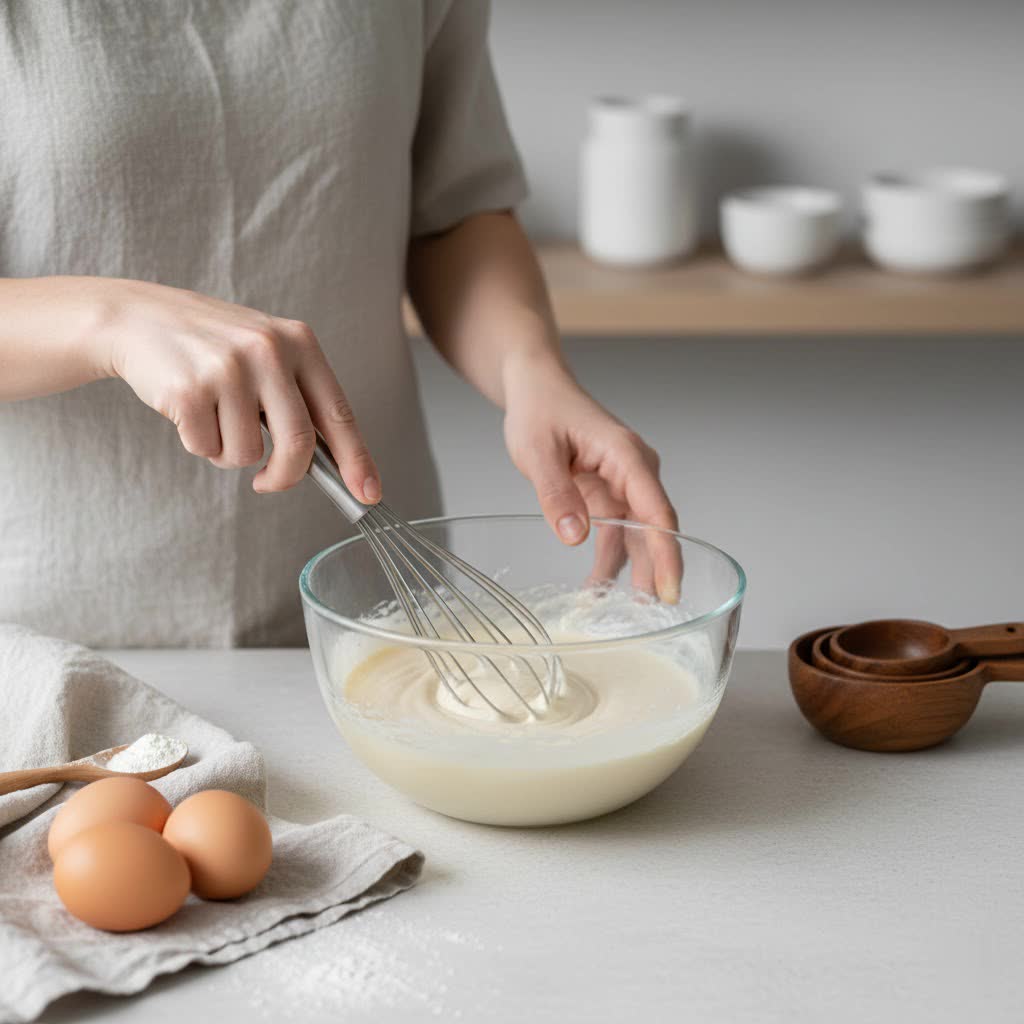
Stepping into any kitchen, whether for a seasoned chef or a passionate home cook, the humble mixing bowl often takes center stage. It’s more than just a container; it’s a trusty companion for everything from whisking eggs to kneading dough. But with so many options available, how do you choose the right one? Today, we’re diving deep into the Sagler Stainless Steel Mixing Bowls to see if this popular set lives up to its reputation as a versatile and reliable kitchen workhorse.
The Core of Your Kitchen: Understanding Mixing Bowl Materials
Before we zoom in on the Sagler set, let’s explore the common types of mixing bowls you’ll encounter. Each material brings its own unique set of advantages and considerations to your culinary adventures. Understanding these differences can help you make informed decisions for your kitchen needs.
Glass Mixing Bowls
|
Our Picks for the Best Mixing bowl in 2026
As an Amazon Associate I earn from qualifying purchases.
|
||
| Num | Product | Action |
|---|---|---|
| 1 | Priority Chef Premium Mixing Bowls With Lids Set, Airtight Lids, Thicker Stainless Steel, Non-Slip Base, 5 Nesting Steel Bowls for Kitchen, Large Prep Metal Bowl Set 1.5/2/3/4/5 Qt, Black |

|
| 2 | JoyJolt Stainless Steel Mixing Bowl Set - 6 Piece Nesting Bowls, 5qt to 0.5qt, Ideal for Kitchen, Cooking, Baking and Storage |
|
| 3 | Cuisinart Mixing Bowl Set, Stainless Steel, 3-Piece, CTG-00-SMB |
|
| 4 | OXO Good Grips 5-Quart Mixing Bowl |
|
| 5 | Winco , 8-Quart, Stainless Steel (MXB-800Q) |
|
| 6 | Umite Chef Mixing Bowls with Airtight Lids Set, 8PCS Stainless Steel Khaki Nesting Bowls with Grater Attachments, Kitchen Bowls with Non-Slip Bottoms, Size 5, 4, 3.5, 2, 1.5QT for Mixing & Serving |
|
| 7 | Glad Mixing Bowls with Pour Spout, Set of 3 | Nesting Design Saves Space | Non-Slip, BPA Free, Dishwasher Safe Plastic | Kitchen Cooking and Baking Supplies, Sage Green |
|
| 8 | Fox Run Brands 2.75-Quart Stainless Steel Mixing Bowl, 9 x 9 x 4 inches, Metallic |
|
| 9 | Glad Mixing Bowls with Pour Spout, Set of 3 | Nesting Design Saves Space | Non-Slip, BPA Free, Dishwasher Safe Plastic | Kitchen Cooking and Baking Supplies, White |
|
| 10 | Winco 5 Quart Heavy-Duty Stainless Steel Mixing Bowl, Deep |
|
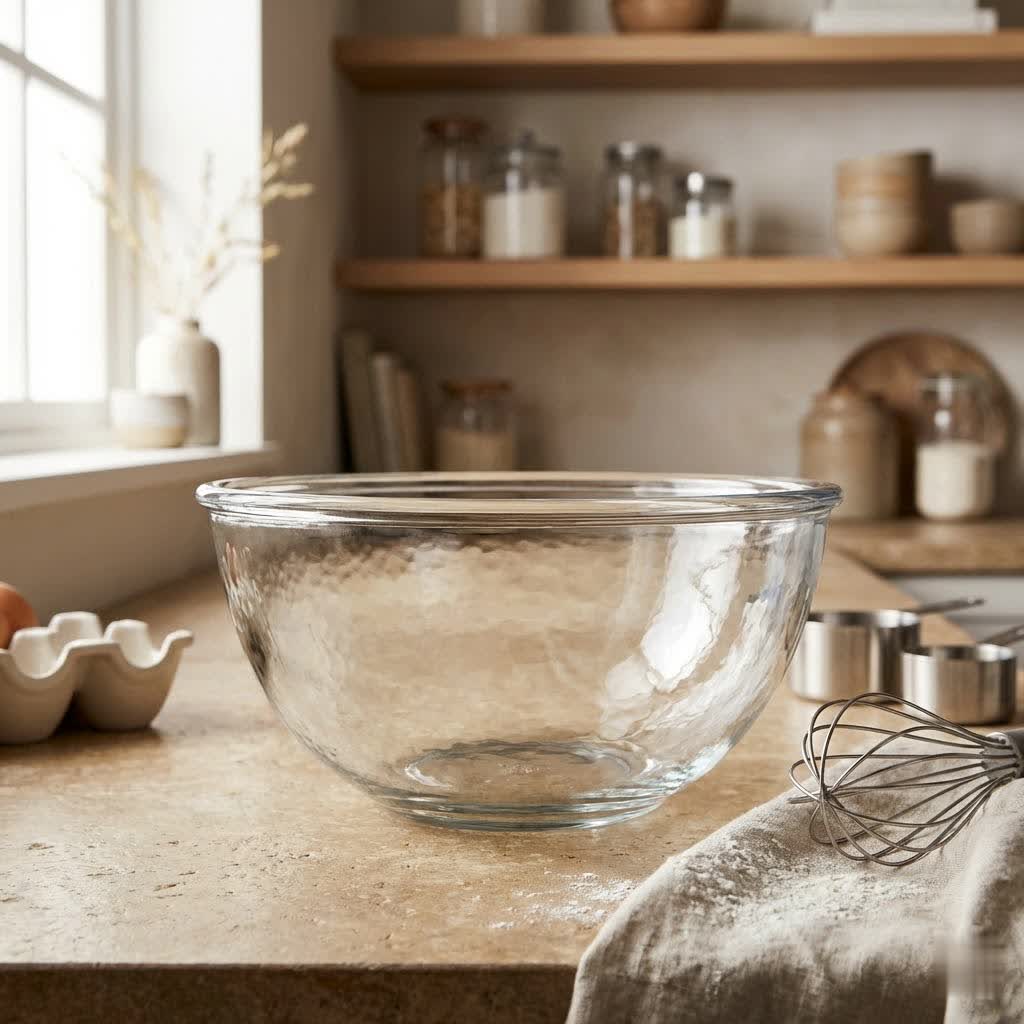
Glass mixing bowls are often chosen for their aesthetic appeal and functionality. They offer crystal-clear visibility, allowing you to monitor mixing progress, which is particularly useful when incorporating ingredients or ensuring everything is thoroughly combined. Glass is non-porous, meaning it won’t absorb odors or stains from strong-smelling foods, and it’s generally easy to clean. Many glass bowls are also microwave and oven safe, adding to their versatility for melting, heating, or even baking. However, their primary drawbacks are their weight and fragility; they are heavier than other materials and can easily break or chip if dropped.
Stainless Steel Mixing Bowls
Stainless steel mixing bowls are a kitchen staple, revered for their exceptional durability and lightweight nature. They can withstand vigorous mixing, even with electric beaters, without fear of chipping or shattering. Stainless steel is also an excellent temperature conductor, meaning it can keep ingredients cool when working with delicate items like pastry dough or quickly warm them using a double boiler method. These bowls are typically dishwasher safe, non-porous, and designed to nest within each other for efficient storage. While generally non-reactive, some highly acidic foods might cause discoloration over extended periods. A common misconception is that all stainless steel is microwave safe, which is generally not true and can be dangerous.
Plastic Mixing Bowls
Plastic mixing bowls offer an affordable and lightweight option, often found in vibrant colors and various sizes. They are gentle on non-stick surfaces and ideal for lighter mixing tasks. Their flexibility can sometimes be an advantage for scraping out contents. However, plastic bowls are prone to staining and absorbing odors, especially from robust ingredients like tomato sauce or garlic. Durability can be an issue, as they scratch more easily than other materials, and concerns about BPA (Bisphenol A) have led many consumers to seek out BPA-free options. They are generally not recommended for high heat applications or microwave use.
Ceramic Mixing Bowls
Ceramic mixing bowls are prized for their beauty and stability. Their substantial weight makes them excellent for hand-mixing tasks, as they stay firmly planted on the countertop. Ceramic is also great at retaining temperature, making it ideal for tasks like proofing dough in a warm environment. These bowls often double as attractive serving pieces due to their decorative finishes. On the downside, ceramic bowls are heavy and can be quite fragile, easily chipping or breaking if subjected to impacts. They can also be more expensive than other types of bowls.
Comparing Mixing Bowl Materials: A Quick Overview
To help you quickly grasp the differences, here’s a comparison of the most common mixing bowl materials:
| Feature | Glass | Stainless Steel | Plastic | Ceramic |
|---|---|---|---|---|
| Durability | Medium | High | Low | Medium |
| Weight | Heavy | Light | Light | Heavy |
| Price | Medium | Medium | Low | High |
| Cleaning | Easy | Easy | Medium | Easy |
| Food Safety | High | High | Varies (BPA-free recommended) | High |
| Microwave Safe | Yes | No (Generally) | No | Yes |
| Nesting | Varies | Excellent | Good | Limited |
Sagler Stainless Steel Mixing Bowls: An In-Depth Review
The Sagler Stainless Steel Mixing Bowls set has garnered attention for offering a blend of utility and affordability. This 6-piece set is often cited as a fantastic entry-level or budget-friendly option for home cooks seeking reliable performance without a hefty price tag. Let’s delve into what makes this set stand out.
Key Features and Design
The Sagler set typically includes six bowls in varying sizes, often with the largest bowl boasting a generous capacity, such as 5 or even 8 quarts, perfect for handling everything from a family-sized salad to a large batch of cookie dough. Crafted from durable stainless steel, these bowls are designed to resist stains and odors, maintaining their sleek silver appearance over time. A standout design feature is the inclusion of a non-slip silicone base on each bowl. This clever addition ensures stability, preventing the bowls from sliding around your countertop during vigorous whisking or mixing, enhancing safety and reducing spills. For kitchens with limited space, the Sagler bowls are designed to nest neatly within each other, significantly reducing their storage footprint.
One point of contention regarding stainless steel bowls is microwave safety. While general advice dictates that metal should never go into a microwave, some product descriptions for Sagler bowls have claimed they are microwave safe. It’s crucial to exercise caution here; typically, stainless steel is not microwave safe due to the risk of sparks and damage to the appliance. We highly recommend consulting the manufacturer’s specific guidelines and, when in doubt, refraining from microwaving any metal bowls.
Performance in the Kitchen
In practical use, the Sagler Stainless Steel Mixing Bowls prove to be exceptionally versatile. They are well-suited for a myriad of kitchen tasks, including mixing batters, tossing fresh salads, marinating meats (avoiding highly acidic marinades for prolonged contact), and even serving popcorn or fruit. Their robust stainless steel construction ensures they can withstand the rigors of daily use, offering good resistance to dents and dings. The non-slip base is a particularly appreciated feature, providing a stable platform for hands-on tasks and making the entire mixing process smoother and less messy. Despite their durability, the bowls remain relatively lightweight, making them easy to handle, even when full, and facilitating effortless pouring.
Pros and Cons of the Sagler Set
Like any kitchen product, the Sagler Stainless Steel Mixing Bowls set comes with its own advantages and potential drawbacks.
Pros:
- Excellent Value: Often praised as a “best budget” option, offering a comprehensive set at an attractive price point.
- Durable Construction: Made from sturdy stainless steel, designed for longevity and everyday use.
- Non-Slip Base: The silicone base significantly enhances stability, preventing slips and spills during use.
- Nestable Design: Promotes efficient storage, crucial for smaller kitchens or those with limited cabinet space.
- Dishwasher Safe: Simplifies cleanup, making kitchen tasks more convenient.
- Versatile: Suitable for a wide range of cooking, baking, and serving applications.
Cons:
- Microwave Safety Claim: The conflicting information regarding microwave safety is a significant concern. Users should verify manufacturer instructions and proceed with extreme caution, as metal in a microwave can be dangerous.
- No Lids Included (Typically): Unlike some premium stainless steel sets, the Sagler set often does not include tight-fitting lids for storage, which might be a drawback for meal preppers or those who frequently store leftovers in their mixing bowls.
- Potential for Minor Dents: While durable, stainless steel can still acquire minor dents or scratches with particularly rough handling over time, a general characteristic of the material.
How to Choose the Right Mixing Bowls for Your Kitchen
Selecting the ideal mixing bowls involves considering your personal cooking habits and kitchen setup. Here’s a guide to help you choose a set that truly meets your needs, with the Sagler Stainless Steel Mixing Bowls as a strong contender.
Determine Your Usage Needs
Start by evaluating how you primarily use mixing bowls. Are you a frequent baker who needs to whip large batches of dough? Do you often prepare salads or marinate ingredients? Or perhaps you need bowls that can transition from prep to serving? If versatility and heavy-duty use are your priorities, a durable set like the Sagler stainless steel bowls is an excellent choice.
Select Appropriate Sizes
A good mixing bowl set should offer a variety of sizes to handle different culinary tasks. A comprehensive set, such as the 6-piece Sagler offering, ensures you have everything from small bowls for whisking a single egg to large bowls for tossing big salads or mixing substantial batters. Consider bowls that are deep enough to contain splatters and wide enough for comfortable mixing.
Prioritize Safe and Durable Materials
Always opt for food-grade materials that are safe for contact with food. Stainless steel, like that used in Sagler bowls, is generally a very safe and durable option. If microwave use is essential, you might need a separate glass bowl for those specific tasks, as the microwave compatibility of metal bowls is often debated and generally ill-advised. Ensure the material can withstand your typical kitchen activities without reacting with ingredients or quickly degrading.
Consider Ease of Cleaning and Storage
A busy kitchen benefits from tools that are easy to maintain. Dishwasher-safe bowls, such as the Sagler set, save valuable time on cleanup. Furthermore, look for sets that nest compactly. The stackable design of the Sagler bowls makes them a smart choice for maximizing cabinet space, keeping your kitchen organized and clutter-free.
Look for Reputable Brands
While premium brands often come with a higher price tag, there are many reputable options that offer quality at an accessible price. Sagler has established itself as a reliable brand for budget-conscious consumers, consistently delivering functional and durable stainless steel mixing bowls that perform well for everyday kitchen needs. Always check reviews to gauge user satisfaction and product longevity.
Conclusion
The Sagler Stainless Steel Mixing Bowls set presents a compelling option for anyone in search of practical, durable, and affordable kitchen essentials. With their robust stainless steel construction, clever non-slip bases, and convenient nestable design, these bowls are built to handle a wide range of tasks with ease and efficiency. While the microwave safety claim should be approached with caution and verified carefully, the overall value and performance of the Sagler set make it a smart investment for everyday cooking and baking. If you’re looking to upgrade your kitchen arsenal without breaking the bank, the Sagler Stainless Steel Mixing Bowls are undoubtedly worth considering. What culinary creations will you bring to life with your new set of mixing bowls?
Frequently Asked Questions
Are Sagler stainless steel mixing bowls truly microwave safe?
While some product descriptions for Sagler bowls mention microwave safety, metal objects generally pose a risk in microwaves due to potential sparking and damage. It is always best to err on the side of caution and avoid microwaving stainless steel bowls, or to strictly follow specific manufacturer guidelines if they explicitly state it’s safe.
What sizes are included in the Sagler 6-piece set?
The Sagler 6-piece set typically includes bowls ranging in size to accommodate various kitchen tasks. While specific capacities can vary, common sets include bowls from small (e.g., 0.75 or 1.5 quarts) up to a large 5-quart or even 8-quart bowl, offering versatility for everything from whisking single ingredients to mixing large batters.
Why should I choose stainless steel over glass mixing bowls?
Stainless steel bowls offer superior durability and are significantly lighter than glass, making them easier to handle, especially when full. They are less prone to breakage and chipping, and their excellent temperature conductivity helps keep ingredients cold or warm. However, glass bowls offer visibility and are generally microwave and oven safe, which stainless steel bowls are not.
How do I prevent my stainless steel mixing bowls from rusting or scratching?
To prevent rust, ensure your stainless steel bowls are thoroughly dried after washing, especially if they are not made from a higher grade like 316 stainless steel. Avoid abrasive scrubbers or harsh chemicals that can scratch the surface. Use silicone or wooden utensils instead of metal when mixing to minimize scratches, and store them carefully to prevent dings.
Are Sagler mixing bowls suitable for professional use?
While the Sagler Stainless Steel Mixing Bowls are highly durable and versatile for home kitchens, professional environments often demand higher-grade stainless steel (like 18/10 or 304) and features like handles or pouring spouts that may not be standard in budget-friendly sets. They can serve as excellent supplementary bowls, but a dedicated professional might seek out more specialized equipment.