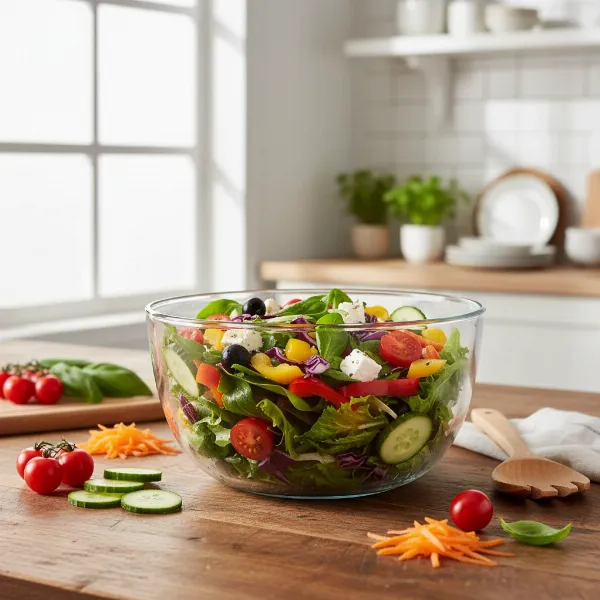
Stepping into the kitchen, you might often find yourself reaching for a mixing bowl to reheat leftovers or melt butter. While the convenience of a microwave is undeniable, not all mixing bowls are created equal when it comes to microwave safety. Using the wrong material can lead to more than just ruined food; it can cause damage to your appliance, fire hazards, and even leach harmful chemicals into your meal. Understanding which materials are safe and which to steer clear of is crucial for every home cook. This guide will walk you through the common mixing bowl materials, highlight those to avoid, and equip you with the knowledge to make safe choices for your kitchen.
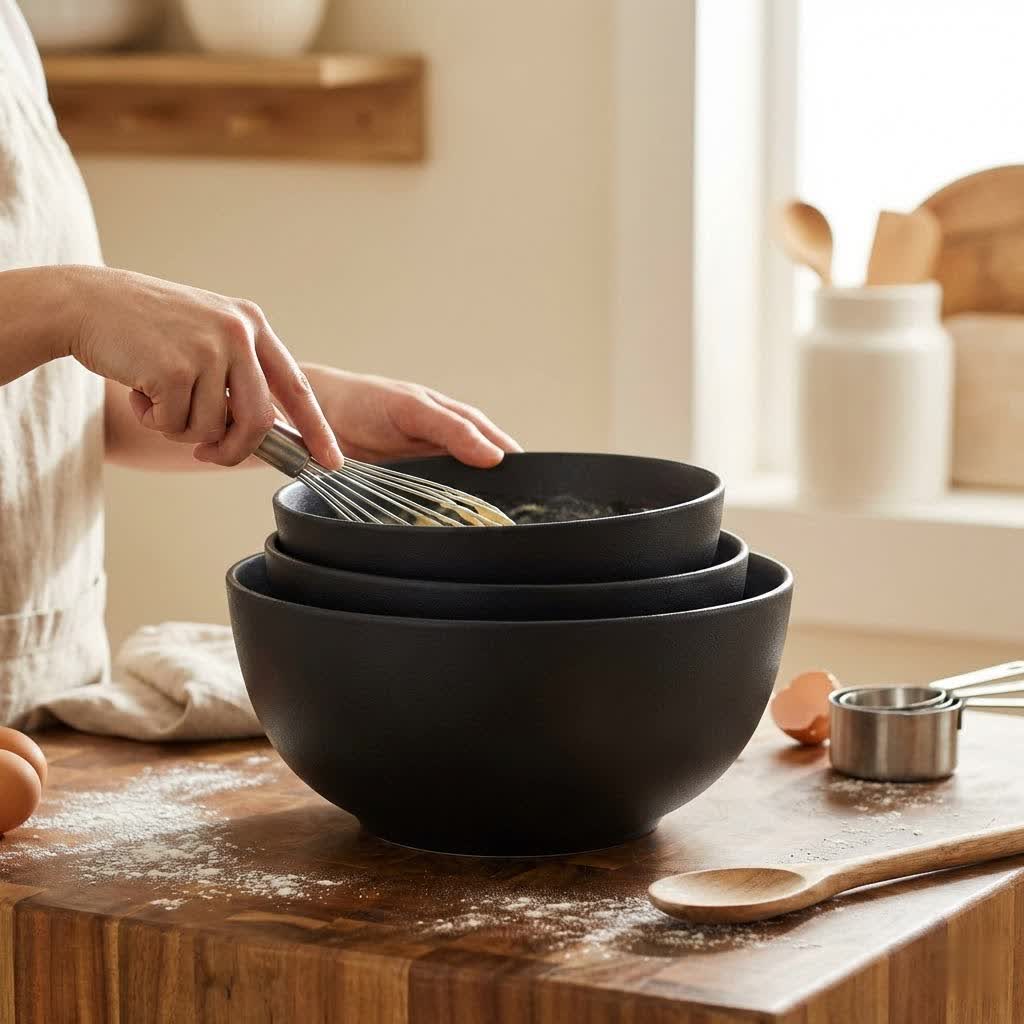
Common Mixing Bowl Materials and Their Microwave Safety
When assessing your mixing bowls for microwave use, it’s essential to understand how different materials interact with microwave energy. This knowledge helps prevent accidents and ensures your food remains safe to eat.
Metal (Stainless Steel, Aluminum, Copper)
Any form of metal, including stainless steel, aluminum, copper, or bowls with metallic accents, should never be placed in a microwave. Microwaves operate by emitting electromagnetic waves that cause water molecules in food to vibrate and heat up. Metal, however, reflects these waves. This reflection can lead to several dangerous scenarios:
- Sparks and Fire: The reflected microwaves can create an electrical discharge, known as arcing, which manifests as sparks. These sparks are a significant fire hazard and can ignite food or other materials inside the microwave.
- Microwave Damage: Arcing can also severely damage the internal components of your microwave oven, leading to costly repairs or even necessitating a complete replacement of the appliance.
- Uneven Heating: Since microwaves cannot penetrate metal, any food inside a metal bowl will not heat evenly. Parts may remain cold, while others become scalding hot, making the reheating process ineffective and potentially creating cold spots where bacteria can thrive.
|
Our Picks for the Best Mixing bowl in 2026
As an Amazon Associate I earn from qualifying purchases.
|
||
| Num | Product | Action |
|---|---|---|
| 1 | Glad Mixing Bowls with Pour Spout, Set of 3 | Nesting Design Saves Space | Non-Slip, BPA Free, Dishwasher Safe Plastic | Kitchen Cooking and Baking Supplies, Sage Green |

|
| 2 | OXO Good Grips 5-Quart Mixing Bowl |
|
| 3 | Cuisinart Mixing Bowl Set, Stainless Steel, 3-Piece, CTG-00-SMB |
|
| 4 | JoyJolt Stainless Steel Mixing Bowl Set - 6 Piece Nesting Bowls, 5qt to 0.5qt, Ideal for Kitchen, Cooking, Baking and Storage |
|
| 5 | Winco 5 Quart Heavy-Duty Stainless Steel Mixing Bowl, Deep |
|
| 6 | Glad Mixing Bowls with Pour Spout, Set of 3 | Nesting Design Saves Space | Non-Slip, BPA Free, Dishwasher Safe Plastic | Kitchen Cooking and Baking Supplies, White |
|
| 7 | Umite Chef Mixing Bowls with Airtight Lids Set, 8PCS Stainless Steel Khaki Nesting Bowls with Grater Attachments, Kitchen Bowls with Non-Slip Bottoms, Size 5, 4, 3.5, 2, 1.5QT for Mixing & Serving |
|
| 8 | Fox Run Brands 2.75-Quart Stainless Steel Mixing Bowl, 9 x 9 x 4 inches, Metallic |
|
| 9 | Winco , 8-Quart, Stainless Steel (MXB-800Q) |
|
| 10 | Priority Chef Premium Mixing Bowls With Lids Set, Airtight Lids, Thicker Stainless Steel, Non-Slip Base, 5 Nesting Steel Bowls for Kitchen, Large Prep Metal Bowl Set 1.5/2/3/4/5 Qt, Black |
|
Plastic (General & Specific Types)
The safety of plastic mixing bowls in the microwave is highly variable and often depends on the type of plastic and its manufacturing process. Many plastics are not designed for high heat and can pose risks:
- Chemical Leaching: Some plastics, particularly older types or those not labeled microwave-safe, can leach harmful chemicals like BPA (Bisphenol A) or phthalates into your food when heated. These chemicals are linked to various health concerns.
- Melting and Warping: Non-microwave-safe plastics will often melt, warp, or distort under microwave heat. This not only ruins the bowl but can also contaminate your food with plastic particles.
- Specific Plastics to Avoid: Cold storage containers, such as margarine tubs, cottage cheese containers, or yogurt cartons, are typically made from thin plastics not intended for cooking and should never be microwaved. Melamine, a hard plastic often used for dishware, is also explicitly unsafe for microwave use as it can degrade and release chemicals into food when heated.
Always look for a “microwave-safe” label or symbol on plastic bowls. Even then, it’s wise to use them judiciously, especially with fatty or sugary foods that reach higher temperatures, and to replace them if they show signs of scratching or discoloration.
Ceramic and Pottery
Ceramic and pottery bowls generally make good microwave companions, but there are important caveats. Most plain ceramic and stoneware bowls are microwave-safe as they are designed to withstand heat. However, certain decorative elements can be problematic:
- Metallic Glazes or Trims: Similar to metal bowls, ceramic or pottery items with metallic glazes, gold or silver trim, or other metallic decorations can cause arcing and sparks in the microwave. Always inspect your ceramicware for any metallic components before heating.
- Non-Heat-Resistant Ceramics: Some handcrafted or older pottery pieces may not be made with heat-resistant clay or glazes. These can crack, chip, or even explode when exposed to rapid temperature changes in the microwave. If a ceramic bowl gets excessively hot to the touch during microwaving (beyond just the heat transferred from the food), it may not be suitable for microwave use.
When in doubt, always check for a “microwave-safe” label, which indicates the item has been tested and deemed safe for microwave use.
Glass (Borosilicate/Tempered Glass)
Glass is one of the safest and most reliable materials for microwave use. Heatproof glass, such as borosilicate glass (commonly found in brands like Pyrex or Anchor Hocking), is designed to withstand extreme temperature changes without breaking.
- Safety and Transparency: Glass is transparent to microwaves, meaning the waves pass through it without being absorbed, allowing your food to heat efficiently and evenly. It does not leach chemicals and is non-reactive.
- Considerations: While generally safe, extremely thin or non-heat-resistant glass (like drinking glasses) may not be suitable for the microwave as they could crack under thermal stress. Opt for tempered glass mixing bowls specifically designed for cooking and baking.
Other Materials to Exercise Caution With
Beyond the main categories, several other materials should be avoided or used with extreme caution in the microwave:
- Foam-Insulated Products: Cups, bowls, or plates made from foam (like polystyrene) will melt and warp in the microwave, releasing potentially harmful chemicals and ruining your food.
- Recycled Paper Products: Items like recycled paper towels, napkins, or cardboard can contain tiny flecks of metal from the recycling process. These metal particles can cause sparks and fire hazards.
- Brown Paper Bags and Newspapers: These materials are not designed for microwave heat and can easily catch fire.
- Wood or Straw (with metal components): While pure, untreated wood or straw might be okay for very short periods (like warming a dinner roll), items with metal components or glues should be avoided. The wood can dry out, char, or catch fire.
Why Material Matters: Understanding Microwave Interactions
The core principle behind microwave safety lies in how materials interact with the electromagnetic waves that heat your food. Microwaves primarily target water molecules, causing them to vibrate rapidly and generate heat.
Materials like heatproof glass are “transparent” to these waves, allowing them to pass through and heat the food directly. These materials themselves don’t absorb much microwave energy, which is why a microwave-safe glass bowl will generally remain cool or only warm from the food’s heat, not from the microwave energy itself.
Metal, on the other hand, is reflective. Instead of allowing microwaves to pass through, it bounces them around inside the oven. This reflection can concentrate energy, leading to intense electrical discharges (arcing and sparks) that are dangerous for both the appliance and your home.
Certain plastics, particularly those not designed for microwave use, can absorb some microwave energy, causing them to heat up. This heat can break down the plastic’s chemical structure, leading to melting, warping, and the release of harmful compounds into your food. This process is why choosing plastics with a “microwave-safe” label, indicating they’ve been tested for stability under microwave conditions, is so critical.
“Understanding how different materials interact with microwave energy isn’t just about convenience; it’s about fundamental kitchen safety and protecting your health.” – Dr. Alice Chen, Food Science Expert
How to Identify Microwave-Safe Bowls
Given the variety of materials and potential risks, knowing how to confidently identify a microwave-safe mixing bowl is invaluable.
Look for Labels and Symbols
The easiest and most reliable way to determine if a bowl is microwave-safe is to check for specific labels or symbols. Most manufacturers clearly mark their products. Look for:
- “Microwave Safe” Text: Explicit text indicating its suitability.
- Microwave-Safe Symbol: This is typically a symbol depicting three wavy lines, often alongside a microwave icon. This international symbol indicates the item is safe for microwave use.
- Manufacturer Guidelines: If you still have the original packaging or can find the product online, consult the manufacturer’s website or product description for care instructions.
The Water Test
If a bowl lacks a clear “microwave-safe” label and you’re unsure about its suitability, you can perform a simple water test:
- Place one cup of cold tap water in a separate, clearly microwave-safe glass measuring cup.
- Set the empty mixing bowl you want to test in the microwave next to (but not touching) the glass of water.
- Microwave on high power for one minute.
- After one minute, carefully remove both the glass of water and the mixing bowl.
- Caution: If the mixing bowl feels warm or hot (beyond just a slight warmth from the steam of the water), it is absorbing microwave energy and is not microwave-safe. The water should be hot, but the bowl itself should remain cool or only slightly warm. If the bowl is hot, it indicates the material is interacting negatively with the microwaves.
Best Practices for Microwave Use
Beyond selecting the right bowls, adopting good habits further enhances kitchen safety:
- Always Check Labels: Make it a routine to quickly check for microwave-safe symbols, especially with new or unfamiliar kitchenware.
- Vent Food: If using a lid or plastic wrap, always leave a small vent for steam to escape. Trapped steam can build pressure, leading to explosions or spills.
- Avoid Overheating: Only heat food for the necessary duration. Overheating can damage both the food and the container, even if it’s microwave-safe.
- Inspect Bowls Regularly: Discard any plastic bowls that are scratched, discolored, or warped, as these signs can indicate degradation and potential chemical leaching.
Table: Microwave Safety of Common Mixing Bowl Materials
| Material | Microwave Safe (Generally) | Why / Why Not |
|---|---|---|
| Metal | No | Reflects microwaves, causing sparks, fire, microwave damage, and uneven heating. |
| Plastic | Only if labeled | Non-safe plastics can melt, warp, or leach chemicals. Only use plastics explicitly marked “microwave-safe.” |
| Ceramic/Pottery | Yes (if no metal) | Generally safe if plain. Avoid those with metallic glazes/trims or if they get excessively hot during testing. |
| Glass (Tempered) | Yes (heatproof) | Transparent to microwaves, non-reactive, and designed to withstand high temperatures without breaking or leaching. |
| Foam | No | Melts and warps, potentially releasing harmful chemicals. |
| Recycled Paper | No | May contain tiny metal particles that can cause arcing and fire. |
| Wood/Straw | No (generally) | Can dry out, char, or catch fire. Avoid if any metal components or glues are present. |
Conclusion
Choosing the right mixing bowl for your microwave is a simple yet vital step in ensuring kitchen safety and healthy meal preparation. While the convenience of a microwave is undeniable, the risks associated with incompatible materials—from dangerous arcing and fires to harmful chemical leaching—are too significant to ignore. Always steer clear of metal, many non-labeled plastics, and ceramics with metallic decorations. Heatproof glass remains the gold standard for microwave safety, offering peace of mind. For other materials, diligently check for “microwave-safe” labels or perform the simple water test. By making informed choices, you protect your microwave, your food, and yourself. What’s your go-to microwave-safe mixing bowl material, and why?
Frequently Asked Questions
Can I microwave stainless steel mixing bowls?
No, you should never microwave stainless steel mixing bowls or any other metal containers. Metal reflects microwaves, which can cause dangerous arcing, sparks, and potentially lead to a fire or severe damage to your microwave oven.
Is all plastic microwave safe?
No, not all plastic is microwave safe. Only use plastic mixing bowls explicitly labeled with a “microwave-safe” symbol (often three wavy lines) or text. Non-microwave-safe plastics can melt, warp, and potentially leach harmful chemicals into your food when heated.
What happens if I microwave a non-safe bowl?
Microwaving a non-safe bowl can lead to various problems, including: arcing and sparks (with metal), fire hazards, damage to your microwave’s internal components, melting or warping of the bowl, and the leaching of harmful chemicals from the material into your food.
How can I test if my bowl is microwave safe?
To test if a bowl is microwave safe, place one cup of water in a separate, clearly microwave-safe glass measuring cup next to the empty bowl you want to test. Microwave on high for one minute. If the empty bowl feels warm or hot to the touch after heating, it is not microwave safe and should not be used.