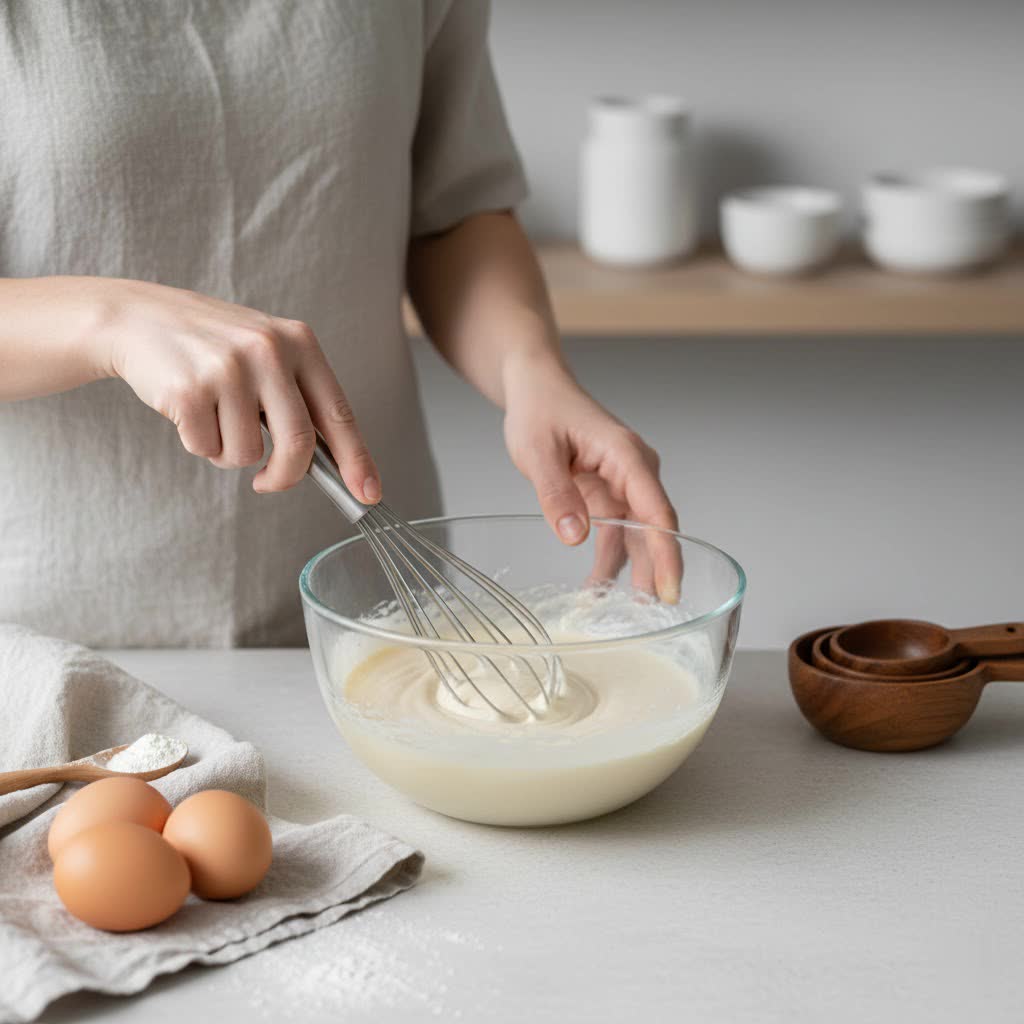
There’s nothing quite as frustrating in the kitchen as a mixing bowl with a mind of its own. You’re vigorously whisking, beating, or stirring, only for your bowl to start a chaotic dance across the countertop, forcing you to use one hand just to hold it steady. This common kitchen conundrum not only slows down your culinary process but can also lead to spills, messes, and even injuries. Imagine achieving perfectly smooth batters and fluffy meringues without the wrestling match. This article will unveil a range of ingenious solutions, from everyday kitchen hacks to smart product investments, empowering you to keep your mixing bowl firmly in place and reclaim both hands for effortless preparation.
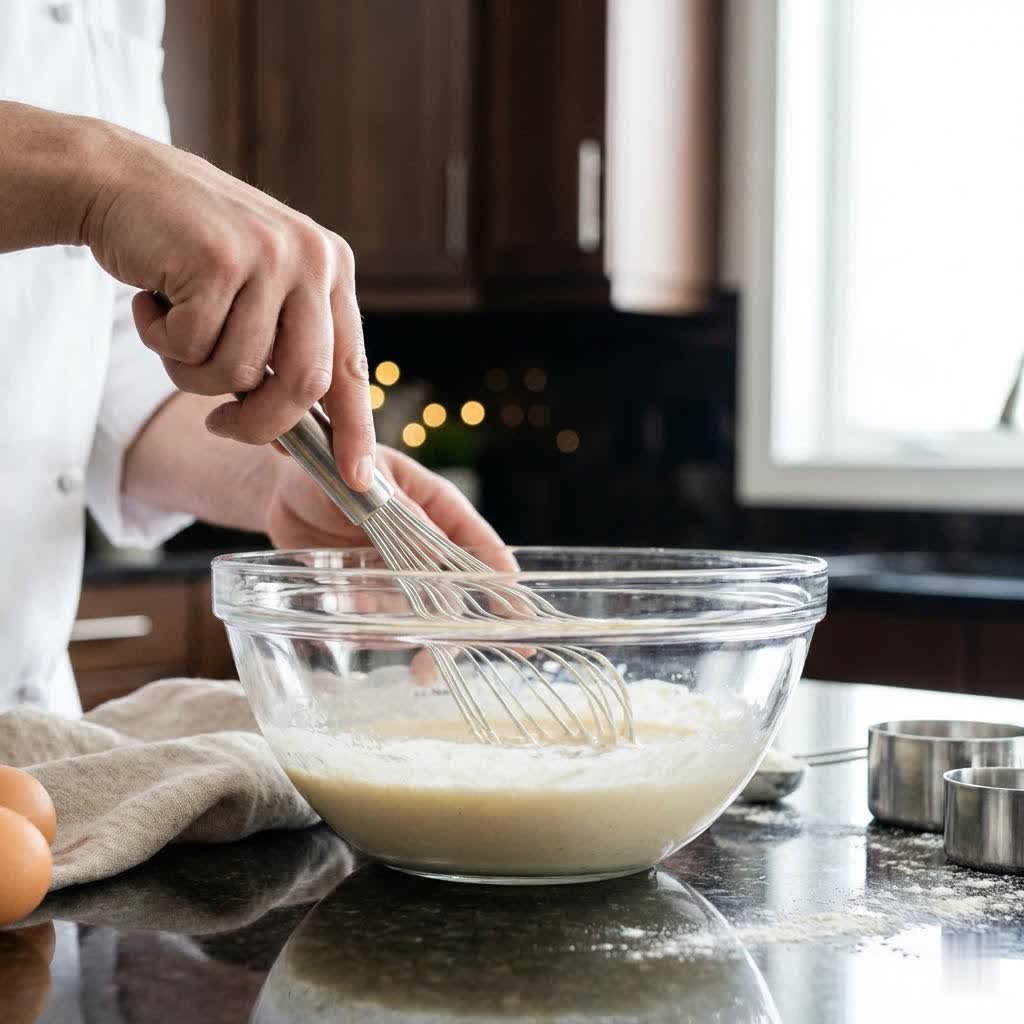
The Classic Kitchen Hack: The Damp Towel Method
For generations, professional chefs and home cooks alike have relied on a deceptively simple yet incredibly effective trick: the damp towel. This method leverages friction to create a stable base for your mixing bowl, instantly transforming a slippery surface into a secure workstation.
How does it work? A slightly damp kitchen towel, dishtowel, or even a paper towel creates just enough grip against both the countertop and the bottom of your bowl to prevent sliding and spinning. The subtle moisture enhances the towel’s ability to cling, providing a surprising amount of stability.
There are two primary ways to employ this hack. The simplest approach is to lay a damp towel flat on your counter and place the mixing bowl directly on top. Ensure the towel is damp, not soaking wet, to avoid water spreading on your counter. For an even more secure grip, especially with bowls that have rounded bottoms, try the rolled towel nest. Roll a damp towel lengthwise into a “snake” or log, then form it into a circle or oval. Place your mixing bowl snugly into this soft, grippy ring. This creates a custom cradle that keeps the bowl centered and immobile, giving you full freedom to mix with both hands.
This hack is not only cost-effective, using items you likely already have, but it’s also incredibly versatile. It works wonders for hand mixing, whisking, and even for stabilizing stand mixers that tend to “walk” across the counter.
“A damp towel is the ultimate unsung hero of the kitchen. It’s a trick I learned in culinary school that still saves me from countless spills and headaches every week.” – Chef Anya Sharma, Author of “Effortless Entertaining”
Utilizing Non-Slip Mats and Grippers
While the damp towel is a fantastic quick fix, dedicated non-slip mats and grippers offer a more permanent and often more aesthetically pleasing solution for keeping your mixing bowls steady. These products are designed specifically to provide maximum friction, making them a worthwhile investment for frequent bakers and cooks.
- Silicone Baking Mats: Often used for baking cookies or kneading dough, a silicone baking mat can double as an excellent non-slip surface for your mixing bowl. Simply place it on your counter, and its inherent grip will keep your bowl firmly in place. They are durable, easy to clean, and multi-functional.
- Non-Slip Shelf Liners: The textured, rubberized material used for shelf liners can be cut to size and placed under your mixing bowls. These are typically inexpensive and can be kept in a drawer ready for use.
- Specialized Bowl Stabilizers: Brands have developed specific products like the “Staybowlizer” – a silicone ring designed to securely grip your bowl and counter, providing unparalleled stability. These innovations are built for purpose, often allowing bowls to be tilted for easier mixing without slipping.
The benefits of using these dedicated solutions include their reusability, consistent performance, and the ability to free up your kitchen towels for their intended drying and cleaning tasks.
Anchoring Your Bowl with Other Kitchenware
Sometimes, the best solution is found by looking at what’s already around you. You can use other items in your kitchen to create a secure anchor for your mixing bowl, especially if you have a bowl with a particularly rounded bottom that struggles to find purchase on its own.
- The Saucepan Method: For bowls with rounded bases, placing them inside a slightly larger saucepan can provide instant stability. The flat bottom of the saucepan sits securely on your counter, while its sides cradle your mixing bowl, preventing it from wobbling or spinning. Ensure the saucepan’s rim is just below or at the same height as your mixing bowl’s rim for comfortable mixing.
- Using a Larger Bowl: Similar to the saucepan, nesting a smaller mixing bowl into a larger, heavier one can provide the necessary stability. The weight and broader base of the outer bowl will hold everything in place.
- Plate Covers or Bundt Pans: An upside-down plate cover or a Bundt pan can also serve as a makeshift ring or stand for your mixing bowl. The raised edges can cradle the base of your bowl, providing a secure depression that stops it from moving around.
These methods are fantastic for those moments when you need a quick fix and don’t have a damp towel or non-slip mat immediately at hand. They leverage existing kitchen tools, saving you from purchasing additional gadgets.
Investing in Non-Slip Mixing Bowls
If you frequently find yourself battling a runaway mixing bowl, it might be time to consider upgrading to bowls specifically designed with stability in mind. Many manufacturers now offer mixing bowls with built-in non-slip features that offer ultimate convenience.
These bowls typically feature a silicone or rubberized ring around their base. This integrated design creates friction against your countertop, preventing the bowl from sliding or tipping during rigorous mixing. They come in various materials, including stainless steel, plastic, and glass, catering to different preferences and needs.
Popular Types of Non-Slip Mixing Bowls:
- Stainless Steel with Silicone Base: These are a favorite among many home cooks. Stainless steel is lightweight, durable, and non-reactive, while the silicone base provides excellent grip. Many sets also include airtight lids for storage and come with internal measurement markings.
- Melamine or Plastic with Rubberized Bottoms: These are often more affordable, come in vibrant colors, and are very lightweight. The rubberized base keeps them stable, making them a great option for everyday use, especially with children.
- Glass Bowls with Non-Skid Feet: While less common for built-in non-slip features, some glass bowls might include small silicone feet or come with separate silicone bases. Glass bowls are prized for their non-reactive nature and ability to be used in microwaves.
|
Our Picks for the Best Mixing bowl in 2026
As an Amazon Associate I earn from qualifying purchases.
|
||
| Num | Product | Action |
|---|---|---|
| 1 | Glad Mixing Bowls with Pour Spout, Set of 3 | Nesting Design Saves Space | Non-Slip, BPA Free, Dishwasher Safe Plastic | Kitchen Cooking and Baking Supplies, White |

|
| 2 | Umite Chef Mixing Bowls with Airtight Lids Set, 8PCS Stainless Steel Khaki Nesting Bowls with Grater Attachments, Kitchen Bowls with Non-Slip Bottoms, Size 5, 4, 3.5, 2, 1.5QT for Mixing & Serving |
|
| 3 | JoyJolt Stainless Steel Mixing Bowl Set - 6 Piece Nesting Bowls, 5qt to 0.5qt, Ideal for Kitchen, Cooking, Baking and Storage |
|
| 4 | Fox Run Brands 2.75-Quart Stainless Steel Mixing Bowl, 9 x 9 x 4 inches, Metallic |
|
| 5 | Glad Mixing Bowls with Pour Spout, Set of 3 | Nesting Design Saves Space | Non-Slip, BPA Free, Dishwasher Safe Plastic | Kitchen Cooking and Baking Supplies, Sage Green |
|
| 6 | Winco , 8-Quart, Stainless Steel (MXB-800Q) |
|
| 7 | OXO Good Grips 5-Quart Mixing Bowl |
|
| 8 | Winco 5 Quart Heavy-Duty Stainless Steel Mixing Bowl, Deep |
|
| 9 | Cuisinart Mixing Bowl Set, Stainless Steel, 3-Piece, CTG-00-SMB |
|
| 10 | Priority Chef Premium Mixing Bowls With Lids Set, Airtight Lids, Thicker Stainless Steel, Non-Slip Base, 5 Nesting Steel Bowls for Kitchen, Large Prep Metal Bowl Set 1.5/2/3/4/5 Qt, Black |
|
When choosing non-slip mixing bowls, consider the durability of the non-slip material. Ensure it’s firmly attached and can withstand frequent washing, whether by hand or in a dishwasher. Bowls with ergonomic handles and pouring spouts further enhance the user experience, providing even more control and ease during food preparation.
DIY Solutions for Added Grip
For those who enjoy a bit of customization or want to enhance their existing mixing bowls, a few DIY solutions can provide lasting grip. These methods involve adding a non-slip element directly to the bowl itself.
- Attach Rubber Feet: Small, adhesive rubber feet (often used for electronics or furniture) can be affixed to the bottom of your mixing bowls. Position three or four evenly spaced feet around the base for optimal stability. These provide discrete points of contact that grip the counter surface.
- Glue a Non-Skid Pad: Purchase a non-skid pad (like those used for rugs or shelf liners), trace the bottom of your bowl onto it, cut out the shape, and then use strong, food-safe adhesive to glue it to the exterior bottom of your bowl. This creates a larger non-slip surface. Ensure the adhesive is completely dry and cured before use.
- Silicone Dots/Strips: For a less permanent or more customizable approach, you can apply small dots or strips of food-grade silicone caulk to the bottom of your bowl. Once cured, the silicone provides a flexible, grippy surface.
When implementing DIY solutions, always prioritize food safety by using non-toxic materials and adhesives. Test the durability of your additions, especially after washing, to ensure they remain effective and hygienic.
Beyond the Bowl: Best Practices for Stability
While focusing on the bowl itself is key, a few general kitchen practices can further contribute to a stable mixing environment.
- Clean and Dry Countertop: A clean, dry, and level surface is paramount. Any spills, crumbs, or unevenness can compromise the effectiveness of your non-slip methods.
- Proper Technique: When mixing vigorously, especially with a hand mixer, try to keep the mixing action centered in the bowl rather than pushing against the sides, which can encourage movement.
- Weight Distribution: For heavy doughs, ensure ingredients are evenly distributed as you mix to prevent the bowl from becoming unbalanced and “walking.”
By combining these best practices with the techniques discussed, you’ll create a kitchen environment where your mixing bowl remains steadfast, allowing you to focus purely on the art of cooking and baking.
Conclusion
A spinning mixing bowl is a common kitchen nuisance, but as we’ve explored, there are numerous effective ways to keep it firmly in place. From the immediate convenience of a damp towel to the long-term solution of investing in specialized non-slip bowls or even a clever DIY hack, achieving bowl stability is well within reach. By adopting one or more of these strategies, you can enjoy a safer, more efficient, and ultimately more enjoyable cooking and baking experience, freeing both your hands to create culinary masterpieces. Which method will you try first to finally conquer the runaway mixing bowl in your kitchen?
Frequently Asked Questions
Why do mixing bowls slide around on the counter?
Mixing bowls often slide due to a lack of friction between their smooth base and the countertop surface, especially during vigorous stirring or whisking. Smooth materials like glass, ceramic, and polished stainless steel are particularly prone to slipping on laminate, stone, or wood surfaces.
Can a damp cloth really stop a bowl from slipping?
Yes, a damp cloth is incredibly effective! The slight moisture creates a suction-like effect and increases friction against both the bowl and the counter, providing a surprisingly secure grip that prevents the bowl from sliding or spinning. Ensure the cloth is damp, not wet.
Are non-slip mixing bowls worth the investment?
For frequent bakers and cooks, non-slip mixing bowls with integrated silicone or rubberized bases are often a worthwhile investment. They offer built-in convenience, consistent stability, and can improve efficiency and safety by freeing up a hand usually dedicated to holding the bowl.
What kind of mat works best under a mixing bowl?
Silicone baking mats or non-slip shelf liners are excellent choices. Their textured, grippy surfaces provide ample friction to keep mixing bowls from moving. They are durable, easy to clean, and can be cut to size for various bowl dimensions.
Can I make my current mixing bowls non-slip?
Absolutely! You can DIY a non-slip base by attaching small adhesive rubber feet to the bottom of your bowls or by cutting and gluing a piece of non-skid shelf liner material to the exterior base. Always use food-safe materials and adhesives for kitchen items.
Does the type of countertop affect bowl stability?
Yes, the countertop material plays a role. Smooth surfaces like polished granite, marble, or laminate offer less natural friction than textured wood or certain composite materials. On slicker surfaces, non-slip solutions become even more essential for bowl stability.