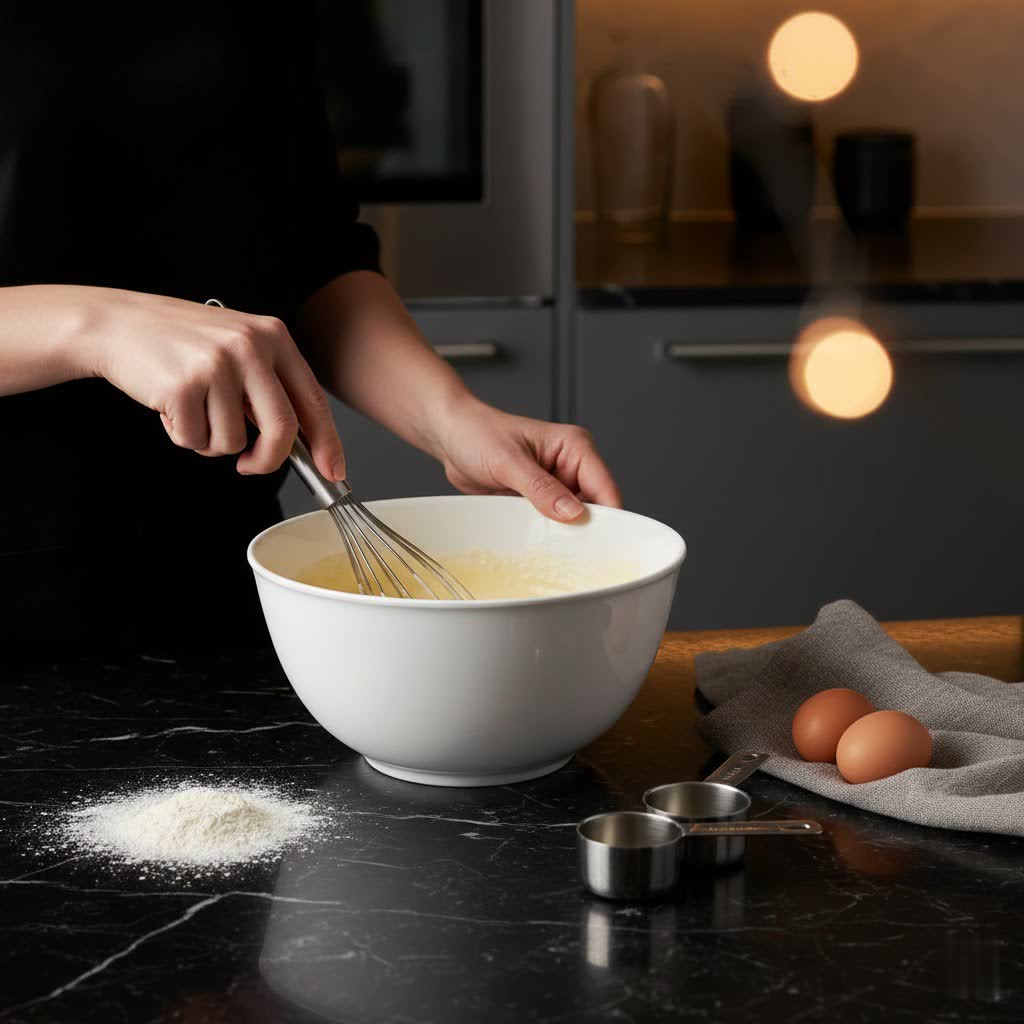
Embarking on the sourdough journey is a rewarding experience, transforming simple flour and water into a vibrant, living starter that gives life to incredible bread. Just as a gardener needs the right pot for a thriving plant, a sourdough baker needs the perfect vessel for their starter and dough. The humble mixing bowl, often overlooked, plays a pivotal role in the health of your starter and the success of your bakes, influencing everything from fermentation to ease of handling. Choosing the right one can elevate your baking, making the process smoother and your results more consistent. This comprehensive guide will explore the best mixing bowls for sourdough starters, helping you select the ideal companion for your artisanal bread-making adventure.
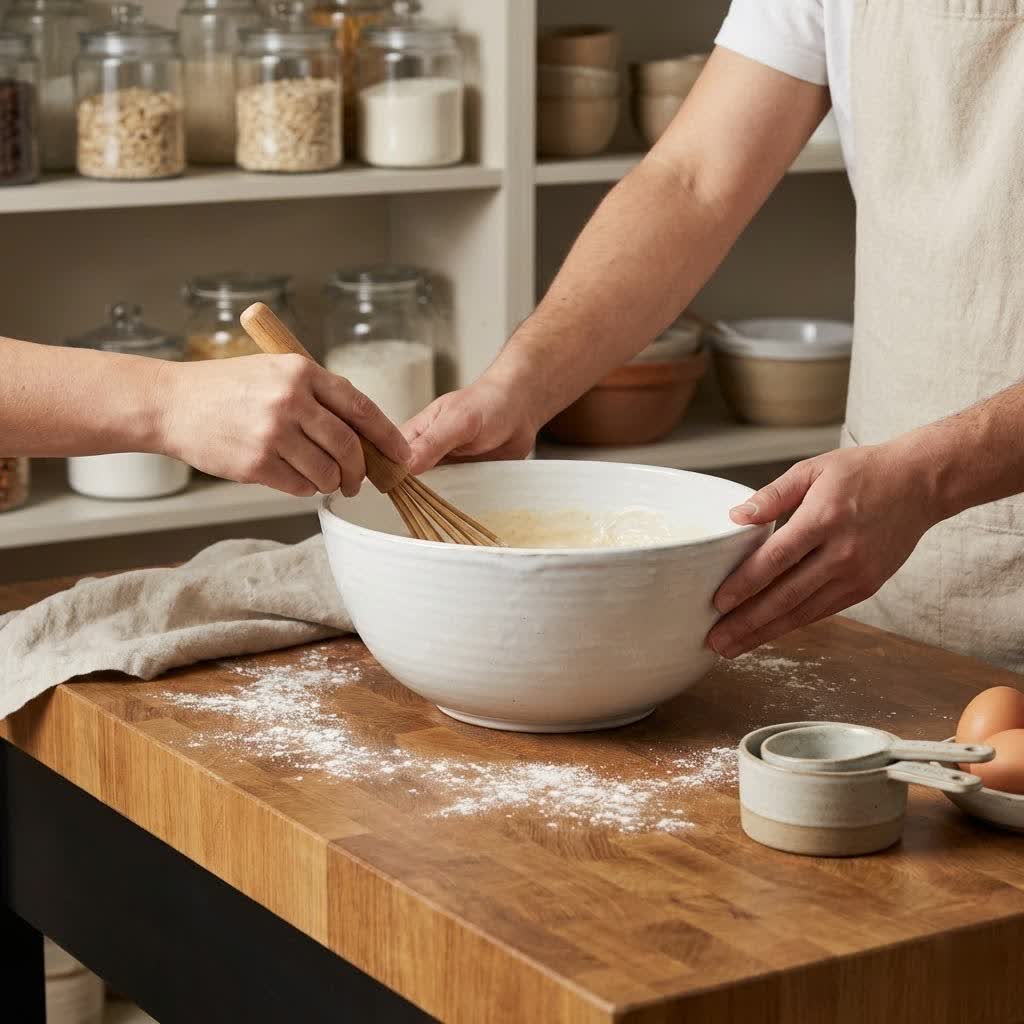
Types of Mixing Bowls for Sourdough Bakers
When it comes to selecting a mixing bowl for your sourdough, the material is a critical consideration. Each type offers distinct advantages and disadvantages that can impact your starter’s activity and your dough’s development.
Stainless Steel Mixing Bowls
Stainless steel bowls are a favorite among many bakers, and for good reason. They are renowned for their exceptional durability, often proving virtually indestructible in the kitchen. This resilience makes them a heavy-duty option capable of withstanding vigorous mixing without fear of breakage.
- Pros: Stainless steel is non-reactive, meaning it will not interact with the acidic nature of your sourdough starter, preserving its flavor and integrity. These bowls are typically lightweight, even in larger sizes, making them easy to handle, especially when dealing with heavy dough. They are also non-porous and dishwasher safe, ensuring easy cleanup and preventing the absorption of strong odors or stains. Some insulated stainless steel options can even help maintain a more constant temperature for your rising dough, a boon in a drafty kitchen. Many designs feature flat bases, offering excellent stability during mixing and reducing the likelihood of spills.
- Cons: A primary drawback is that stainless steel bowls are not microwave-safe. While generally durable, they can sometimes leave marks on countertops if dragged across surfaces. Some bakers might also find their industrial aesthetic less appealing for serving purposes compared to glass or ceramic.
- Ideal for Sourdough: Their non-reactive nature and robustness make them excellent for initial mixing, bulk fermentation, and even storing your starter.
|
Our Picks for the Best Mixing bowl in 2026
As an Amazon Associate I earn from qualifying purchases.
|
||
| Num | Product | Action |
|---|---|---|
| 1 | Umite Chef Mixing Bowls with Airtight Lids Set, 8PCS Stainless Steel Khaki Nesting Bowls with Grater Attachments, Kitchen Bowls with Non-Slip Bottoms, Size 5, 4, 3.5, 2, 1.5QT for Mixing & Serving |

|
| 2 | OXO Good Grips 5-Quart Mixing Bowl |
|
| 3 | Cuisinart Mixing Bowl Set, Stainless Steel, 3-Piece, CTG-00-SMB |
|
| 4 | Priority Chef Premium Mixing Bowls With Lids Set, Airtight Lids, Thicker Stainless Steel, Non-Slip Base, 5 Nesting Steel Bowls for Kitchen, Large Prep Metal Bowl Set 1.5/2/3/4/5 Qt, Black |
|
| 5 | Winco , 8-Quart, Stainless Steel (MXB-800Q) |
|
| 6 | Winco 5 Quart Heavy-Duty Stainless Steel Mixing Bowl, Deep |
|
| 7 | Glad Mixing Bowls with Pour Spout, Set of 3 | Nesting Design Saves Space | Non-Slip, BPA Free, Dishwasher Safe Plastic | Kitchen Cooking and Baking Supplies, Sage Green |
|
| 8 | Fox Run Brands 2.75-Quart Stainless Steel Mixing Bowl, 9 x 9 x 4 inches, Metallic |
|
| 9 | Glad Mixing Bowls with Pour Spout, Set of 3 | Nesting Design Saves Space | Non-Slip, BPA Free, Dishwasher Safe Plastic | Kitchen Cooking and Baking Supplies, White |
|
| 10 | JoyJolt Stainless Steel Mixing Bowl Set - 6 Piece Nesting Bowls, 5qt to 0.5qt, Ideal for Kitchen, Cooking, Baking and Storage |
|
Glass Mixing Bowls
Glass bowls offer a unique benefit to the sourdough baker: transparency. This allows for clear observation of your starter’s activity and dough’s development, a valuable visual cue for beginners and experienced bakers alike.
- Pros: Like stainless steel, glass is non-reactive, ensuring no unwanted interaction with your sourdough. Many glass bowls are incredibly versatile, being safe for use in the microwave, freezer, dishwasher, and sometimes even the oven, providing flexibility for various kitchen tasks. Their aesthetic appeal also makes them suitable for transitioning from mixing to serving.
- Cons: Glass bowls are notably heavier than stainless steel alternatives, which can make them cumbersome, especially when full of dough. They are also more fragile, prone to chipping or shattering if dropped, requiring more careful handling. Some sets might feature thinner glass, which, while still durable for everyday use, may feel less robust.
- Ideal for Sourdough: The visual advantage is key for observing the rise of your dough during bulk fermentation and seeing the bubbles in your starter.
Ceramic Mixing Bowls
Ceramic mixing bowls bring a touch of classic elegance to the kitchen and possess specific qualities beneficial for sourdough. They often boast attractive designs, from rustic stoneware to beautifully glazed finishes.
- Pros: Ceramic bowls are non-reactive, making them safe for acidic sourdough. Their density allows them to retain temperature well, which can be advantageous for maintaining a consistent environment during long fermentation periods, especially in cooler settings. Many ceramic bowls are also dishwasher, microwave, and sometimes oven-safe, adding to their utility.
- Cons: Similar to glass, ceramic bowls tend to be quite heavy, which can be a consideration for handling and storage. They are also susceptible to chipping or cracking if knocked or dropped. While beautiful, some ceramic bowls may require more careful handling to avoid scratches, particularly with metal utensils.
- Ideal for Sourdough: Their heat-retention properties can be great for bulk fermentation, providing a more stable temperature for your dough to develop.
Plastic Mixing Bowls (with caution)
While widely available and often inexpensive, plastic mixing bowls generally receive a cautious recommendation, especially for dedicated sourdough bakers.
- Pros: Plastic bowls are very lightweight and typically the most affordable option, making them accessible to all. Many come with convenient features like pour spouts, handles, and non-slip bases. Some plastic bowls are also microwave-safe.
- Cons: The primary concerns with plastic for sourdough are its propensity to absorb odors and stains over time, potentially impacting future bakes. They are also more prone to scratching from metal utensils, which can create micro-grooves where bacteria might harbor. Furthermore, there are ongoing concerns about BPA in some plastics, though many products are now BPA-free. Generally, experts advise reducing the use of plastic in the kitchen.
- Not Ideal for Sourdough: Due to potential staining, odor absorption, and durability issues, plastic is generally not the preferred choice for regular sourdough use.
Comparing Mixing Bowl Materials for Sourdough
To help you decide, here’s a comparison of the key characteristics of each mixing bowl material in the context of sourdough baking:
| Feature | Glass | Stainless Steel | Plastic | Ceramic |
|---|---|---|---|---|
| Durability | Medium | High | Low | Medium |
| Weight | Heavy | Light | Light | Heavy |
| Price | Medium | Medium | Low | High |
| Cleaning | Easy | Easy | Medium | Easy |
| Reactivity with Starter | Non-reactive | Non-reactive | Non-reactive | Non-reactive |
| Visibility (proofing) | High | Low | Low | Low |
| Temperature Stability | Medium | High (insulated options) | Low | High |
| Microwave Safe | Yes (check manufacturer) | No | Yes (check manufacturer) | Yes (check manufacturer) |
How to Choose the Perfect Sourdough Mixing Bowl
Selecting the ideal mixing bowl is a personal decision that balances your baking habits, kitchen space, and budget. Here’s how to make an informed choice for your sourdough needs:
Determine Your Primary Use
What will your bowl be used for most often? If you’re primarily feeding your starter, a smaller bowl that’s easy to clean might be best. For bulk fermentation, you’ll need a larger bowl that allows ample space for the dough to grow without overflowing. Some bakers prefer a single versatile bowl, while others invest in a set for different stages of the process. For instance, glass bowls are excellent for observing your starter, while robust stainless steel is perfect for intensive mixing and long fermentation.
Consider Size and Capacity
Sourdough dough, especially during bulk fermentation, needs room to expand. A common recommendation for sourdough bread is a 3 to 4-quart bowl, but having a range of sizes is always beneficial. Consider the volume of dough you typically work with. A larger bowl offers more headroom for active starters and high-hydration doughs, preventing messes and allowing for easier folding and stretching.
Prioritize Material Safety and Reactivity
Given the acidic nature of sourdough, choosing a non-reactive material is paramount. Stainless steel, glass, and ceramic are all excellent non-reactive choices that won’t impart off-flavors or react chemically with your starter or dough. This ensures the purity of your sourdough’s flavor and the integrity of its structure.
Evaluate Durability and Ease of Cleaning
Sourdough baking can be a hands-on and sometimes sticky affair. You’ll want bowls that can withstand frequent use and rigorous cleaning. Stainless steel and glass are generally very easy to clean and highly durable. Look for bowls that are dishwasher-safe to simplify your post-baking cleanup.
Look for Helpful Features
Certain features can significantly enhance your sourdough baking experience.
- Flat Bottoms: Bowls with flat bases offer superior stability on your countertop, preventing wobbling during mixing or when you’re working with sticky dough.
- Lids: Lids are incredibly useful for covering your dough during bulk fermentation or proofing, helping to maintain humidity and prevent a dry crust from forming.
- Handles: Handles provide a secure grip, especially when scraping down sides or transferring heavy dough.
- Non-Slip Bases: A rubberized or silicone base helps keep the bowl firmly in place, even during vigorous stirring or mixing with a hand mixer.
- Pour Spouts: While less crucial for dough, a pour spout can be convenient if you also use the bowl for feeding a liquid starter or transferring other wet ingredients.
In conclusion, the right mixing bowl is more than just a container; it’s an essential tool that supports the delicate biology of your sourdough starter and the robust process of bread-making. Whether you opt for the transparent practicality of glass, the unwavering durability of stainless steel, or the thermal stability of ceramic, choosing a bowl that aligns with your specific needs will undoubtedly contribute to your success as a sourdough baker. So, take the time to select your perfect mixing bowl, and watch your sourdough thrive as you cultivate truly exceptional bread.
Frequently Asked Questions
What size mixing bowl is best for sourdough?
For most standard sourdough bread recipes, a mixing bowl with a capacity of 3 to 4 quarts (approximately 3-4 liters) is ideal. This size provides sufficient room for your dough to undergo bulk fermentation and significantly increase in volume without spilling over, allowing for comfortable mixing and folding.
Can I use a plastic bowl for sourdough?
While you can technically use a plastic bowl for sourdough, it is generally not recommended for regular use. Plastic can absorb odors and stains from ingredients over time, and it may scratch easily, creating surfaces where bacteria could accumulate. Non-reactive materials like stainless steel, glass, or ceramic are preferred.
Are metal bowls safe for sourdough starters?
Yes, stainless steel mixing bowls are perfectly safe for sourdough starters. They are non-reactive, meaning they will not chemically interact with the starter’s acidity or impart any metallic taste. Stainless steel is also durable and easy to clean, making it an excellent choice for sourdough bakers.
Why are glass bowls good for sourdough?
Glass bowls are particularly beneficial for sourdough beginners because their transparency allows you to visually observe the fermentation process. You can easily see the bubbles forming in your starter and monitor the dough’s rise during bulk fermentation, providing valuable insights into its activity and development.
How many mixing bowls do I need for sourdough?
A single versatile mixing bowl can suffice for a home baker. However, having a set of two to three bowls of varying sizes (e.g., a small one for feeding your starter, a medium one for mixing dough, and a large one for bulk fermentation) can significantly streamline your sourdough baking workflow and enhance efficiency.