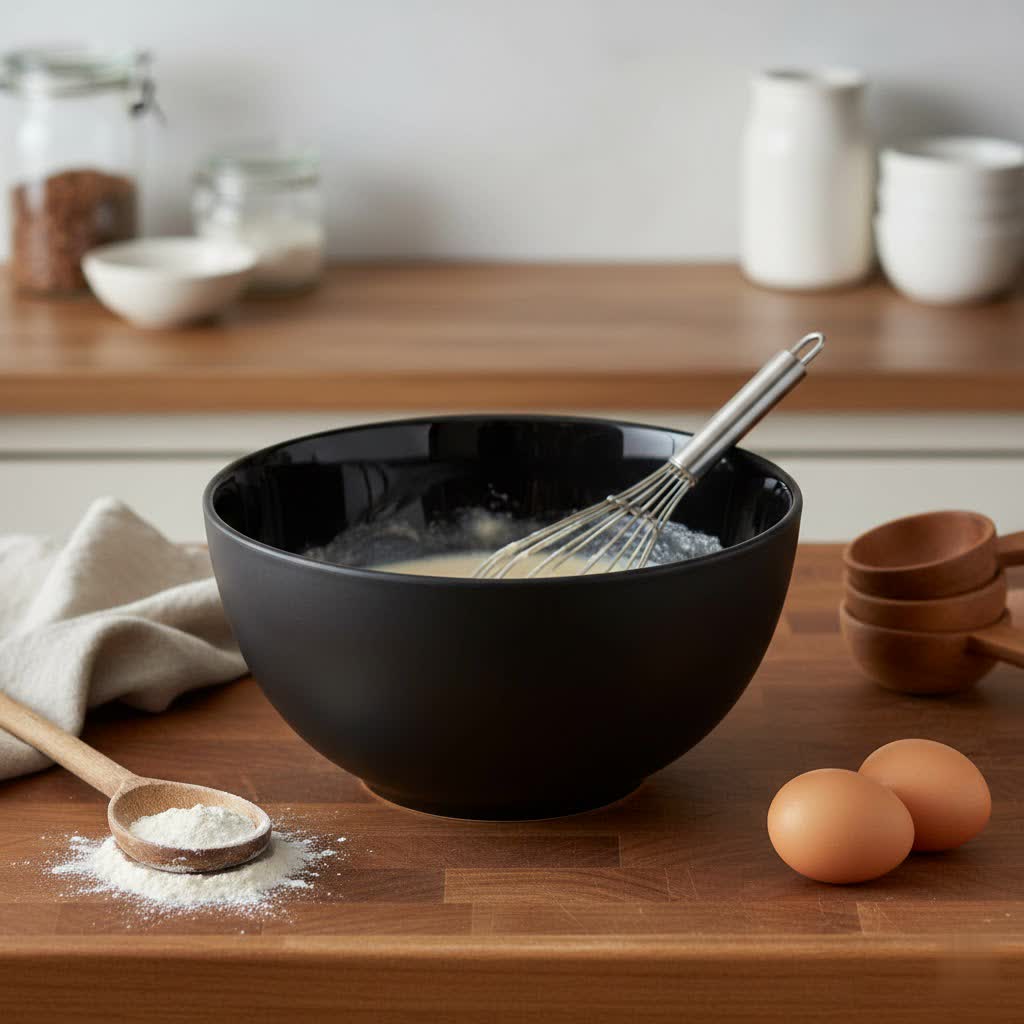
Baking is a beloved pastime, a comforting tradition passed down through generations. For many elderly bakers, the aroma of fresh cookies or a rising loaf of bread evokes cherished memories and offers immense joy. However, physical changes such as reduced grip strength, arthritis, or simply a desire for greater ease in the kitchen can make handling heavy mixing bowls a challenge. Finding the best lightweight mixing bowls for elderly bakers is not just about convenience; it’s about maintaining independence, comfort, and the pure pleasure of creating culinary delights without strain.
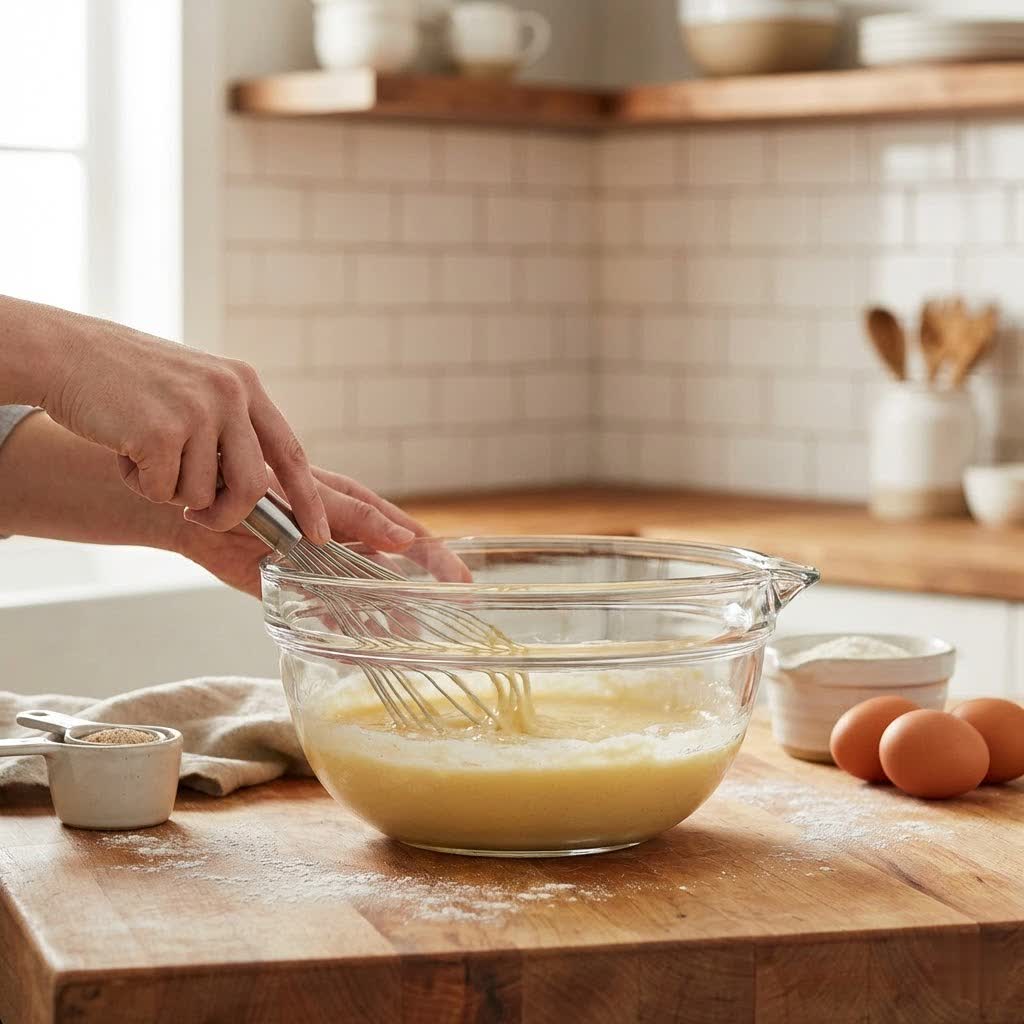
This comprehensive guide will explore the ideal characteristics of mixing bowls that cater to the needs of senior bakers, highlighting materials, ergonomic features, and practical considerations to help you choose the perfect companions for your baking adventures.
Popular Types of Mixing Bowls
Mixing bowls come in a variety of materials, each with unique properties that influence weight, durability, and suitability for different tasks. Understanding these differences is key to making an informed choice, especially when prioritizing ease of use for elderly bakers.
Glass Mixing Bowls
Glass mixing bowls, often made from tempered glass like Pyrex, offer a classic aesthetic and are highly versatile. Their transparency allows you to easily see ingredients as they mix, which is a significant advantage for precise baking.
- Pros: Visually appealing, transparent (great for monitoring ingredients), non-reactive, microwave, oven, and dishwasher safe, can be used for baking and serving.
- Cons: Significantly heavier than other options, making them difficult to lift and maneuver, especially when full. They are also prone to breaking if dropped, posing a safety risk.
- Suitable for: Gentle mixing tasks, microwaving butter or chocolate, or as serving bowls where their weight isn’t a primary concern. For elderly bakers, their inherent weight is often a drawback.
|
Our Picks for the Best Mixing bowl in 2026
As an Amazon Associate I earn from qualifying purchases.
|
||
| Num | Product | Action |
|---|---|---|
| 1 | Fox Run Brands 2.75-Quart Stainless Steel Mixing Bowl, 9 x 9 x 4 inches, Metallic |

|
| 2 | OXO Good Grips 5-Quart Mixing Bowl |
|
| 3 | Priority Chef Premium Mixing Bowls With Lids Set, Airtight Lids, Thicker Stainless Steel, Non-Slip Base, 5 Nesting Steel Bowls for Kitchen, Large Prep Metal Bowl Set 1.5/2/3/4/5 Qt, Black |
|
| 4 | Winco 5 Quart Heavy-Duty Stainless Steel Mixing Bowl, Deep |
|
| 5 | Winco , 8-Quart, Stainless Steel (MXB-800Q) |
|
| 6 | Glad Mixing Bowls with Pour Spout, Set of 3 | Nesting Design Saves Space | Non-Slip, BPA Free, Dishwasher Safe Plastic | Kitchen Cooking and Baking Supplies, Sage Green |
|
| 7 | Umite Chef Mixing Bowls with Airtight Lids Set, 8PCS Stainless Steel Khaki Nesting Bowls with Grater Attachments, Kitchen Bowls with Non-Slip Bottoms, Size 5, 4, 3.5, 2, 1.5QT for Mixing & Serving |
|
| 8 | Cuisinart Mixing Bowl Set, Stainless Steel, 3-Piece, CTG-00-SMB |
|
| 9 | JoyJolt Stainless Steel Mixing Bowl Set - 6 Piece Nesting Bowls, 5qt to 0.5qt, Ideal for Kitchen, Cooking, Baking and Storage |
|
| 10 | Glad Mixing Bowls with Pour Spout, Set of 3 | Nesting Design Saves Space | Non-Slip, BPA Free, Dishwasher Safe Plastic | Kitchen Cooking and Baking Supplies, White |
|
Stainless Steel Mixing Bowls
Stainless steel bowls are a staple in many kitchens, and for good reason. They are highly popular among professional and home bakers alike due to their robust nature and often lightweight construction.
- Pros: Generally lightweight, extremely durable and shatterproof, non-reactive to acidic ingredients, excellent for chilling ingredients (like butter for pastry), easy to clean, and typically dishwasher safe. Many designs feature non-slip bases for added stability.
- Cons: Cannot be used in the microwave, and cheaper versions might dent easily. Without a non-slip base, they can slide on countertops during vigorous mixing.
- Suitable for: Almost all baking tasks, from whisking egg whites to mixing heavy doughs. Their lightweight nature makes them an excellent choice for elderly bakers.
Plastic Mixing Bowls
Modern plastic mixing bowls, particularly those made from BPA-free melamine or other food-grade plastics, have come a long way in terms of quality and design. They are often the lightest option available, making them incredibly user-friendly.
- Pros: Very lightweight, highly affordable, virtually unbreakable, available in a vast array of colors and designs, often come with ergonomic handles, pour spouts, and non-slip bases. Many are microwave and dishwasher safe.
- Cons: Can be prone to staining from vibrant ingredients (e.g., tomato sauce) or retaining odors over time. Some plastics may scratch more easily than stainless steel. It’s crucial to choose BPA-free options for food safety.
- Suitable for: Everyday mixing, quick preparations, light batters, and tasks where ease of handling and minimal weight are paramount. Their low weight and ergonomic features make them highly recommended for elderly bakers.
Ceramic Mixing Bowls
Ceramic mixing bowls are beautiful, often handcrafted pieces that can double as decorative items. They are known for their ability to retain heat, which can be beneficial for certain culinary processes.
- Pros: Aesthetic appeal, excellent heat retention (useful for proofing dough), non-reactive.
- Cons: Very heavy, making them challenging to lift and handle, especially when full. They are also susceptible to chipping and breaking if dropped. Often more expensive than other materials.
- Suitable for: Proofing bread dough, serving warm dishes, or for decorative purposes. Their substantial weight generally makes them less ideal for elderly bakers.
Comparison Table of Mixing Bowl Materials
To help you quickly compare the different mixing bowl materials, here’s a summary of their key features, with a special focus on considerations for elderly bakers:
| Feature | Glass | Stainless Steel | Plastic | Ceramic |
|---|---|---|---|---|
| Durability | Medium (fragile) | High | Medium | Medium (fragile) |
| Weight | Heavy | Lightweight | Very Lightweight | Heavy |
| Price | Medium | Medium | Low | High |
| Cleaning | Easy | Easy | Medium | Easy |
| Senior-Friendly Features | Weight can be a significant con, risk of breakage | Lightweight, many with non-slip bases, durable | Very lightweight, ergonomic handles, pour spouts, non-slip options | Weight is a major drawback, risk of breakage |
| Microwave Safe | Yes | No | Some (check label) | Yes |
| Breakability | High | Low | Very Low | High |
Guide to Choosing the Right Mixing Bowls for Elderly Bakers
Selecting the perfect mixing bowls involves more than just picking a material; it requires a thoughtful consideration of specific features that enhance safety, comfort, and efficiency for elderly bakers.
Prioritize Lightweight Materials
The most crucial factor for elderly bakers is the weight of the bowl. Opt for materials that minimize strain when lifting, carrying, or pouring. Lightweight stainless steel and BPA-free plastic are generally the best choices for this reason. Even a slight reduction in weight can make a big difference, especially when the bowls are filled with ingredients.
Seek Ergonomic Design
Ergonomics play a vital role in ease of use. Look for bowls with features designed to reduce effort and improve control:
- Handles: A sturdy, comfortable handle provides a secure grip, making it easier to lift, hold, and pour. Some bowls feature an integrated handle on one side, which can be a game-changer for those with limited hand strength or arthritis.
- Non-Slip Bases: Rubberized or silicone bases prevent the bowl from sliding or wobbling on the countertop during vigorous mixing. This dramatically increases stability and reduces the risk of spills and accidents.
- Pour Spouts: A well-designed pour spout ensures smooth, mess-free transfer of batters and liquids, eliminating the need to carefully balance and tilt the entire bowl.
- Shallow vs. Deep: While deeper bowls can prevent splatters, shallower bowls with wider openings can sometimes be easier to access and mix in, particularly if using a hand mixer.
Consider Size and Capacity
Choose a set of bowls with a range of sizes that cater to various baking needs without being excessively large or cumbersome. A set of three bowls (small, medium, large) is often sufficient. While a large bowl is necessary for big batches, ensure even the largest size is manageable when empty. For everyday tasks, smaller, lighter bowls will be used most frequently.
Ensure Safety and Durability
For elderly bakers, minimizing risks in the kitchen is paramount.
- Shatterproof Options: Plastic and stainless steel bowls eliminate the risk of shattered glass or ceramic, which can cause serious injury.
- BPA-Free Plastic: If choosing plastic, always ensure it is clearly labeled as BPA-free to avoid potential health concerns.
- Robust Construction: Even lightweight materials should be durable enough to withstand regular use without bending, cracking, or breaking.
Evaluate Ease of Cleaning and Maintenance
Baking can be messy, and easy cleanup is always a plus. Look for bowls that are:
- Dishwasher Safe: This feature saves effort and time, especially for individuals who may have difficulty with handwashing or standing for extended periods.
- Stain and Odor Resistant: Stainless steel excels here, while some plastic bowls may require more diligent cleaning to prevent discoloration or lingering smells.
Reputable Brands
Opting for reputable brands known for quality kitchenware can provide peace of mind. Brands like OXO Good Grips are widely praised for their ergonomic designs that benefit individuals with limited dexterity or arthritis, often incorporating features like soft, non-slip handles and stable bases.
“For senior bakers, the right tools can truly reignite their passion for the kitchen. Lightweight bowls with ergonomic handles and non-slip bases aren’t just convenient; they empower individuals to continue their beloved traditions safely and comfortably.” – Chef Elena Rodriguez, Culinary Accessibility Specialist
Conclusion
Choosing the ideal mixing bowls for elderly bakers is an investment in comfort, safety, and continued culinary enjoyment. By prioritizing lightweight materials like stainless steel and BPA-free plastic, alongside thoughtful ergonomic features such as handles, pour spouts, and non-slip bases, you can transform the baking experience. These considerations ensure that the joy of creating delicious treats remains accessible and free from unnecessary strain. Equip your kitchen with the right tools, and let the aroma of freshly baked goods continue to fill your home.
What cherished family recipes will you be mixing up next with your perfect lightweight bowls?
Frequently Asked Questions
What are the best materials for lightweight mixing bowls for seniors?
The best materials are lightweight stainless steel and BPA-free plastic. Stainless steel offers durability and a relatively light feel, while plastic is often the lightest option and frequently comes with ergonomic features like handles and pour spouts.
How do non-slip bases help elderly bakers?
Non-slip bases, typically made of silicone or rubber, provide crucial stability by preventing the mixing bowl from sliding or wobbling on the countertop during mixing. This enhances safety, reduces spills, and minimizes the effort required to stabilize the bowl, which is particularly beneficial for those with reduced grip strength or tremors.
Are plastic mixing bowls safe for baking, especially for seniors?
Yes, many modern plastic mixing bowls are safe for baking, provided they are labeled as “BPA-free” and food-grade. They are shatterproof and very lightweight, making them an excellent choice for elderly bakers. However, always check if they are microwave-safe, as not all plastics can withstand high temperatures.
What size mixing bowls are ideal for senior bakers?
A versatile set typically includes small (1-2 quart), medium (3-4 quart), and large (5-6 quart) bowls. For senior bakers, it’s important that even the largest bowl is manageable in weight when empty, and that the set nests efficiently for easy storage. Consider bowls with slightly shallower, wider designs, as they can be easier to work with than very deep, narrow ones.
Can mixing bowls with handles reduce strain for those with arthritis?
Absolutely. Mixing bowls equipped with ergonomic handles provide a more secure and comfortable grip, significantly reducing strain on hands and wrists, which is especially beneficial for individuals with arthritis or limited dexterity. Handles allow for better control when lifting, carrying, and pouring, enhancing overall ease and safety in the kitchen.