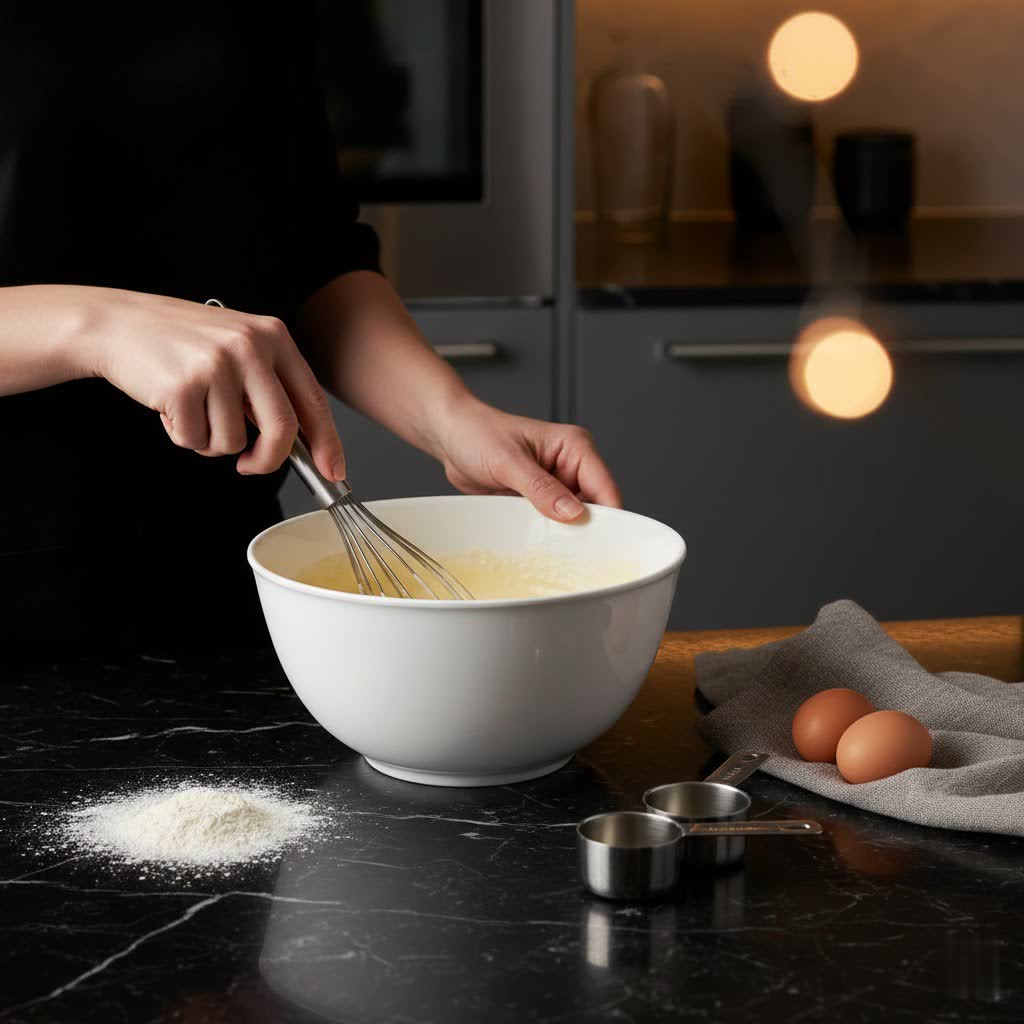
For those who find joy in the aroma of freshly baked goods filling the kitchen, especially when preparing for a crowd, the right tools are not just helpful—they’re essential. Big batch baking demands more than just passion; it requires reliable equipment that can handle large volumes of ingredients with ease and efficiency. Among these, the humble mixing bowl stands out as a true kitchen workhorse. But not all mixing bowls are created equal, especially when it comes to tackling substantial recipes.
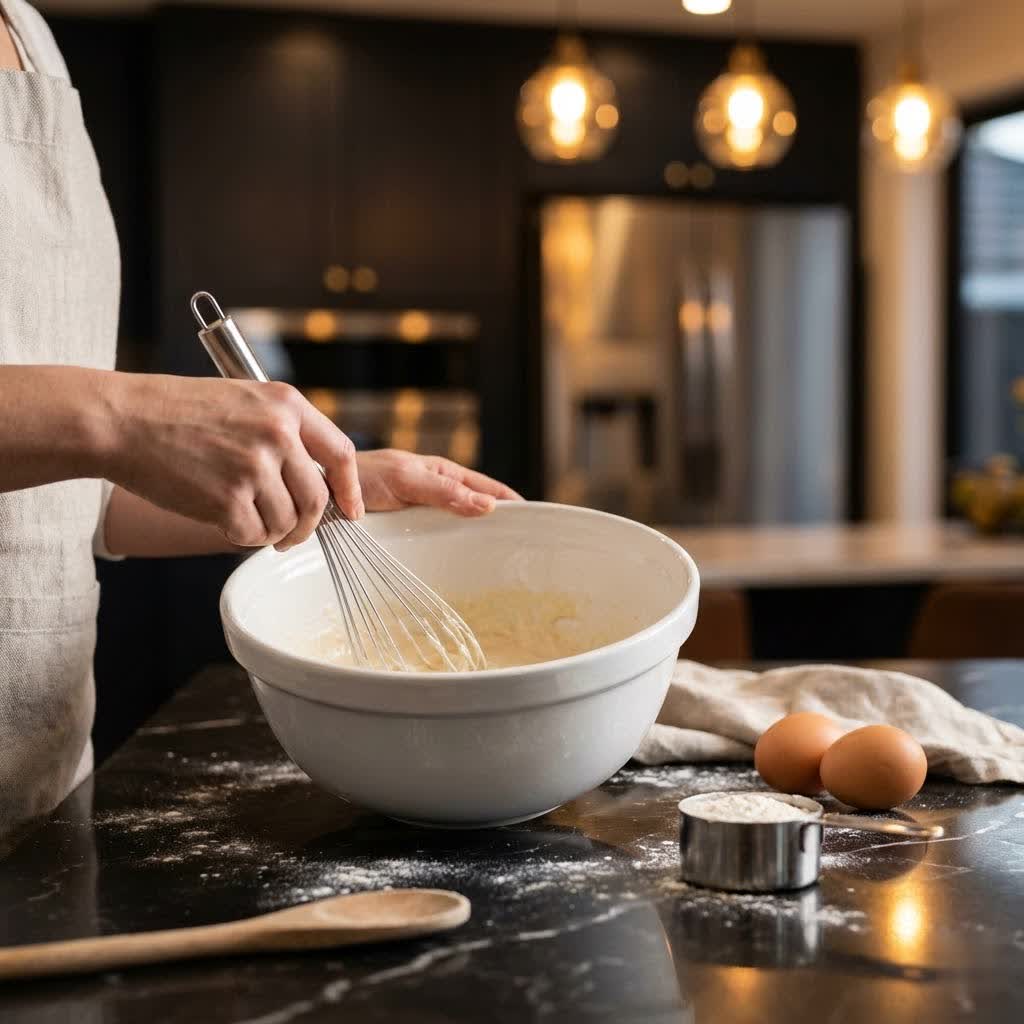
If you’ve ever wrestled with an overflowing bowl while trying to mix a double batch of cookie dough or knead a large quantity of bread, you understand the frustration. Selecting the best large capacity mixing bowls for your big batch baking adventures can transform your experience from a messy chore into a seamless culinary delight. This comprehensive guide will delve into the different types of large mixing bowls, their unique advantages and disadvantages, and what crucial features to consider to help you find the perfect companions for your ambitious baking projects.
Common Types of Large Capacity Mixing Bowls
When you’re scaling up your recipes, the material of your mixing bowl becomes even more critical. Each type offers distinct benefits and drawbacks, impacting everything from durability and weight to how well it handles heat or cold. Understanding these differences is the first step in choosing a bowl that truly suits your baking style.
Stainless Steel Mixing Bowls
Stainless steel mixing bowls are a staple in both professional and home kitchens, and for good reason. They are celebrated for their exceptional durability and resistance to rust, making them a long-lasting investment for any baker. These bowls are typically lightweight, even in larger sizes, which makes them easy to handle when filled with heavy dough or batter. Their non-reactive and non-porous surface means they won’t absorb odors or colors from ingredients, nor will they impart any metallic taste to your food, even with acidic mixtures. Stainless steel bowls are also versatile, capable of being used as a double boiler for melting chocolate or tempering ingredients, and many are dishwasher-safe for easy cleanup. However, a key limitation is their incompatibility with microwaves. While incredibly practical, some find their industrial aesthetic less appealing for serving compared to other materials.
- Pros: Highly durable, lightweight, non-reactive, non-porous, good for double boiler, easy to clean, freezer safe, wide range of sizes.
- Cons: Not microwave safe, can show scratches and fingerprints, may not be considered aesthetically pleasing for serving.
- Ideal Use: Kneading large bread doughs, mixing heavy cake batters, whipping egg whites, preparing large salads, and general heavy-duty mixing where microwave use isn’t required.
|
Our Picks for the Best Mixing bowl in 2026
As an Amazon Associate I earn from qualifying purchases.
|
||
| Num | Product | Action |
|---|---|---|
| 1 | OXO Good Grips 5-Quart Mixing Bowl |

|
| 2 | Fox Run Brands 2.75-Quart Stainless Steel Mixing Bowl, 9 x 9 x 4 inches, Metallic |
|
| 3 | JoyJolt Stainless Steel Mixing Bowl Set - 6 Piece Nesting Bowls, 5qt to 0.5qt, Ideal for Kitchen, Cooking, Baking and Storage |
|
| 4 | Priority Chef Premium Mixing Bowls With Lids Set, Airtight Lids, Thicker Stainless Steel, Non-Slip Base, 5 Nesting Steel Bowls for Kitchen, Large Prep Metal Bowl Set 1.5/2/3/4/5 Qt, Black |
|
| 5 | Cuisinart Mixing Bowl Set, Stainless Steel, 3-Piece, CTG-00-SMB |
|
| 6 | Winco 5 Quart Heavy-Duty Stainless Steel Mixing Bowl, Deep |
|
| 7 | Glad Mixing Bowls with Pour Spout, Set of 3 | Nesting Design Saves Space | Non-Slip, BPA Free, Dishwasher Safe Plastic | Kitchen Cooking and Baking Supplies, Sage Green |
|
| 8 | Umite Chef Mixing Bowls with Airtight Lids Set, 8PCS Stainless Steel Khaki Nesting Bowls with Grater Attachments, Kitchen Bowls with Non-Slip Bottoms, Size 5, 4, 3.5, 2, 1.5QT for Mixing & Serving |
|
| 9 | Winco , 8-Quart, Stainless Steel (MXB-800Q) |
|
| 10 | Glad Mixing Bowls with Pour Spout, Set of 3 | Nesting Design Saves Space | Non-Slip, BPA Free, Dishwasher Safe Plastic | Kitchen Cooking and Baking Supplies, White |
|
Glass Mixing Bowls
Glass mixing bowls offer a clear advantage in the kitchen: transparency. This allows bakers to easily monitor the consistency and integration of ingredients from every angle, ensuring no unmixed pockets remain at the bottom. Made from tempered or fortified glass, these bowls are often microwave and oven-safe, adding a layer of versatility that metal bowls lack. Their attractive appearance also makes them excellent choices for serving dishes directly from the kitchen to the table. However, glass bowls tend to be significantly heavier than their stainless steel counterparts, especially in larger capacities. They are also more susceptible to chipping, cracking, or shattering if dropped or exposed to extreme temperature changes. Additionally, some bakers find it harder to achieve stiff peaks when whipping egg whites in glass bowls due to their smooth, non-porous surface.
- Pros: Transparent (easy to monitor mixing), microwave safe, oven safe (tempered glass), excellent for serving.
- Cons: Heavy, prone to chipping or breaking, can be sensitive to thermal shock.
- Ideal Use: Melting butter or chocolate in the microwave, visual monitoring of batters and doughs, preparing and serving salads or fruit.
Plastic Mixing Bowls
Modern plastic mixing bowls have come a long way from their flimsy predecessors, now offering high-quality options suitable for various kitchen tasks. Their primary appeal lies in their affordability and light weight, making them easy to handle and ideal for everyday use. Plastic bowls are also less prone to shattering if dropped, a significant advantage in busy kitchens or households with children. Many are designed to be both microwave and dishwasher safe, simplifying the cooking and cleanup process. However, the quality of plastic bowls can vary widely. Lower-quality plastics may retain odors and stains over time, particularly from strongly colored or aromatic ingredients, and can scratch easily. It’s crucial to look for BPA-free options to ensure food safety.
- Pros: Lightweight, affordable, shatter-resistant, often microwave and dishwasher safe.
- Cons: Can absorb odors and stains, prone to scratching, quality varies, may not be as durable long-term.
- Ideal Use: Everyday mixing, preparing lighter batters, kid-friendly baking projects, quick prep tasks.
Ceramic Mixing Bowls
Ceramic mixing bowls are often chosen for their aesthetic appeal and ability to retain heat, which can be beneficial for certain baking tasks, such as proofing yeast doughs. They come in a wide array of colors and designs, making them attractive additions to any kitchen and suitable for serving. Many ceramic bowls are also scratch- and stain-resistant, promising lasting beauty and functionality. However, like glass, ceramic bowls are typically heavy, which can make them cumbersome when handling large quantities of ingredients. They are also more fragile than stainless steel or plastic, prone to chipping or cracking if mishandled. Compatibility with microwaves, ovens, and dishwashers can vary, so always check the manufacturer’s instructions.
- Pros: Visually appealing, good heat retention (ideal for dough proofing), often scratch and stain resistant.
- Cons: Heavy, fragile (can chip or crack), microwave/oven/dishwasher safety varies by product.
- Ideal Use: Dough proofing, aesthetic serving, heavier mixing tasks where heat retention is a benefit.
Comparison Table of Popular Large Mixing Bowl Materials
Choosing the right material for your large capacity mixing bowl depends on balancing your priorities for durability, weight, price, and specific use cases. This table offers a quick overview to help you decide.
| Feature | Glass | Stainless Steel | Plastic | Ceramic |
|---|---|---|---|---|
| Durability | Medium | High | Low to Medium | Medium |
| Weight | Heavy | Lightweight | Very Lightweight | Heavy |
| Price | Medium | Medium | Low | High |
| Cleaning | Easy | Easy | Medium | Easy |
| Microwave Safe | Yes | No | Yes (check type) | Yes (check type) |
| Oven Safe | Yes (tempered) | No | No | Yes (check type) |
| Non-Reactive | Yes | Yes | Yes | Yes |
| Transparency | Yes | No | No | No |
| Heat Retention | Medium | Low | Low | High |
How to Choose the Right Large Capacity Mixing Bowl for Big Batch Baking
Selecting the perfect large mixing bowl is more nuanced than simply picking the biggest one you can find. It involves considering your specific baking habits, kitchen constraints, and desired features to ensure it enhances, rather than hinders, your culinary pursuits.
Determine Your Baking Needs
Before you commit to a purchase, think about the types of big batch baking you do most often. Are you frequently kneading large quantities of bread dough, whipping up colossal cake batters, or mixing massive bowls of cookies? Each task might benefit from certain bowl characteristics. For instance, deep bowls are excellent for containing splatters from electric mixers, while wider, shallower bowls can be more conducive to hand-whisking or folding delicate ingredients. Identifying your primary use will guide your material and shape choices.
Consider Capacity and Size
For big batch baking, “large capacity” typically means bowls of 5 quarts or more, with many excellent options extending to 8 quarts or even industrial sizes like 30 quarts for serious volume. While a single extra-large bowl might be perfect for your largest doughs, a set of nesting bowls offers greater versatility. A good set often includes a range of sizes (e.g., 1.5, 3, 5, and 8 quarts), allowing you to handle everything from small prep tasks to your biggest mixing jobs. Remember to also consider storage; nesting designs are fantastic for saving cabinet space.
Material Matters for Safety and Performance
As explored above, the material significantly impacts performance and safety. For general big batch baking, stainless steel often emerges as a top recommendation due to its durability, light weight, and non-reactive properties. If microwave heating is a frequent part of your baking process (e.g., melting butter or chocolate), glass or high-quality, BPA-free plastic bowls are better choices. For dough proofing, ceramic bowls can be excellent due to their heat retention. Always prioritize food-safe materials, especially for plastic bowls, ensuring they are BPA-free.
Look for Essential Features
Modern mixing bowls come with a variety of features that can greatly improve your baking efficiency and comfort.
- Non-slip bases, often made of silicone or rubber, are invaluable for keeping your large bowl stable on the countertop during vigorous mixing, preventing spills and accidents.
- Lids are another highly beneficial feature, perfect for storing doughs during proofing, keeping batters fresh, or stacking prepped ingredients in the refrigerator.
- Pour spouts facilitate mess-free transfer of liquids and batters, a small detail that makes a big difference when handling large volumes.
- Comfortable handles or wide rims provide a better grip, especially when lifting and moving a heavy, full bowl.
> “The difference between a good mixing bowl and a great one often lies in the thoughtful details like a non-slip base or a well-designed pour spout. These small features can dramatically improve your baking workflow.” – Chef Elena Rodriguez, Head Pastry Chef, The Golden Whisk Bakery
Durability and Ease of Cleaning
Large capacity mixing bowls endure a lot of stress from heavy ingredients and vigorous mixing. Choose bowls known for their durability to withstand regular use without warping, cracking, or staining. Stainless steel is often lauded for its robustness. Ease of cleaning is also paramount, especially after a big baking session. Dishwasher-safe bowls are a huge time-saver, but if hand-washing, look for smooth, non-porous surfaces that are easy to wipe clean.
Reputable Brands
While many brands offer good mixing bowls, some consistently receive high marks for quality and performance. Brands like Cuisinart, OXO Good Grips, Pyrex, FineDine, and Rosle are frequently cited in reviews for their reliable mixing bowl sets, often featuring durable materials and thoughtful designs suitable for home bakers.
Conclusion
Embarking on big batch baking should be a joyous and rewarding experience, not a test of your kitchen tools’ limits. By carefully considering the material, capacity, shape, and features of your large mixing bowls, you can equip your kitchen with essentials that not only withstand the rigors of extensive baking but also enhance your efficiency and enjoyment. Whether you prefer the lightweight versatility of stainless steel, the transparent convenience of glass, the practicality of plastic, or the aesthetic warmth of ceramic, the perfect large capacity mixing bowl awaits to become your trusted partner in crafting culinary masterpieces. So, which material will be the cornerstone of your next grand baking adventure?
Frequently Asked Questions
What is the ideal size for a large capacity mixing bowl for baking?
For big batch baking, an ideal large capacity mixing bowl typically ranges from 5 to 8 quarts. Some extreme large capacity bowls can go up to 30 quarts, but for most home bakers, a 5-quart or 8-quart bowl will suffice for substantial recipes like multiple batches of cookies, large bread doughs, or family-sized cake batters.
Are stainless steel bowls better than glass bowls for baking?
Both stainless steel and glass bowls have merits for baking. Stainless steel bowls are generally lighter, more durable against drops, and excellent for tasks requiring stability like kneading dough or using a double boiler. Glass bowls, however, offer transparency to monitor mixing and are microwave and often oven safe, making them versatile for melting ingredients or serving. The “better” choice depends on your specific baking needs and priorities.
Can I use my large mixing bowl in the microwave or oven?
The ability to use your mixing bowl in the microwave or oven depends entirely on its material. Glass and ceramic bowls (ensure they are tempered or oven-safe) are generally safe for both microwave and oven use. Plastic bowls can often be microwaved if they are labeled as such, but are not oven safe. Stainless steel bowls are strictly not microwave or oven safe, as metal can cause arcing and damage.
What features help prevent a mixing bowl from sliding?
To prevent a large mixing bowl from sliding during vigorous big batch baking, look for models equipped with a non-slip base. These bases are typically made of rubber or silicone and provide excellent grip on countertops, ensuring stability and safety while you mix, whisk, or knead. Some bowls also feature a slightly heavier weight to help keep them in place.
How do I clean and maintain large mixing bowls?
Most large mixing bowls made of stainless steel, glass, and many plastics are dishwasher safe, offering convenient cleanup after big batch baking. Always check manufacturer instructions, as some ceramic bowls may require hand-washing. For stainless steel, be mindful that excessive scraping with metal utensils can cause minor surface scratches, though this generally doesn’t affect performance. Ensure bowls are thoroughly dried before storage to prevent water spots or, in the case of some materials, rust.