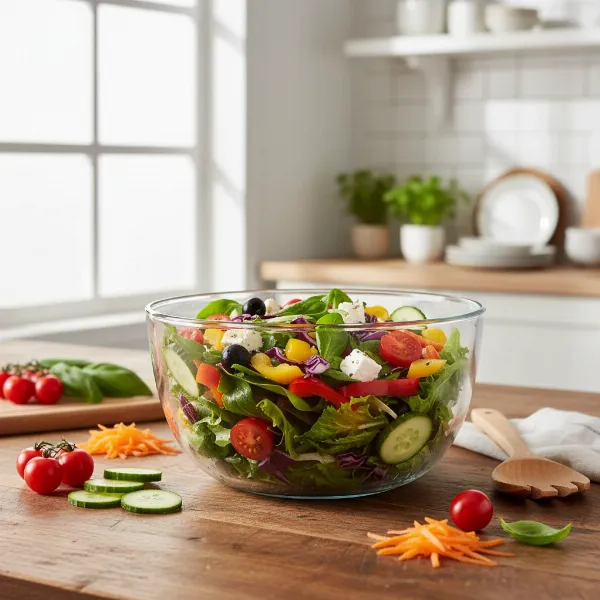
For decades, glass mixing bowls have been a cornerstone of kitchens worldwide, celebrated for their clarity, versatility, and durability. Among the most recognized names, Anchor Hocking and Pyrex stand out, often prompting home cooks and professional chefs alike to wonder: which brand offers the superior set? As a technician with extensive experience with mixing bowls, I’m here to dive into a thorough review and comparison of these two iconic brands, helping you navigate their features, strengths, and weaknesses to find your ideal kitchen companion.
The Enduring Appeal of Glass Mixing Bowls
Glass mixing bowls offer a host of benefits that make them a favorite. Their transparent nature allows you to easily monitor your ingredients as you mix, preventing over- or under-mixing. Glass is also non-reactive, meaning it won’t absorb odors, stains, or leach chemicals into your food, ensuring pure flavors. Beyond mixing, these bowls are often safe for various kitchen tasks, including baking, microwaving, and storing leftovers. However, not all glass is created equal, and understanding the material is key to appreciating the differences between brands like Anchor Hocking and Pyrex.
Historically, Pyrex was synonymous with borosilicate glass, known for its exceptional resistance to thermal shock – sudden temperature changes. Over time, both Pyrex (for its U.S. consumer products) and Anchor Hocking transitioned to tempered soda-lime glass. This change has implications for how these bowls perform under heat and impact, shaping much of the modern debate between the two brands.
Anchor Hocking Glass Mixing Bowl Sets: A Closer Look
Anchor Hocking, a company with over a century of glassmaking expertise, is well-regarded for producing sturdy and dependable kitchenware. Many of their glass mixing bowl sets are manufactured in the USA, a point of pride for many consumers. These sets typically feature a range of sizes designed to handle everything from whisking a single egg to mixing large batches of dough.
Pros of Anchor Hocking Glass Bowls:
- Robust Construction: Anchor Hocking bowls are often described as thick and heavy, contributing to their perceived durability and a solid feel in hand.
- Stable Design: Their flat, heavy bases provide excellent stability on countertops, minimizing slippage during vigorous mixing.
- Versatile Use: Modern Anchor Hocking glass bowls are generally safe for oven use (typically up to 425°F with proper precautions), microwave, freezer, and dishwasher, making them highly adaptable for various culinary tasks.
- Clear Visibility: The transparent glass allows for easy monitoring of contents, which is invaluable for baking and cooking.
- Non-Reactive & Easy to Clean: Like all quality glass, they resist stains and odors, and clean up effortlessly in the dishwasher or by hand.
|
Our Picks for the Best Mixing bowl in 2026
As an Amazon Associate I earn from qualifying purchases.
|
||
| Num | Product | Action |
|---|---|---|
| 1 | Umite Chef Mixing Bowls with Airtight Lids Set, 8PCS Stainless Steel Khaki Nesting Bowls with Grater Attachments, Kitchen Bowls with Non-Slip Bottoms, Size 5, 4, 3.5, 2, 1.5QT for Mixing & Serving |

|
| 2 | Winco , 8-Quart, Stainless Steel (MXB-800Q) |
|
| 3 | Glad Mixing Bowls with Pour Spout, Set of 3 | Nesting Design Saves Space | Non-Slip, BPA Free, Dishwasher Safe Plastic | Kitchen Cooking and Baking Supplies, White |
|
| 4 | JoyJolt Stainless Steel Mixing Bowl Set - 6 Piece Nesting Bowls, 5qt to 0.5qt, Ideal for Kitchen, Cooking, Baking and Storage |
|
| 5 | Winco 5 Quart Heavy-Duty Stainless Steel Mixing Bowl, Deep |
|
| 6 | Fox Run Brands 2.75-Quart Stainless Steel Mixing Bowl, 9 x 9 x 4 inches, Metallic |
|
| 7 | Cuisinart Mixing Bowl Set, Stainless Steel, 3-Piece, CTG-00-SMB |
|
| 8 | Priority Chef Premium Mixing Bowls With Lids Set, Airtight Lids, Thicker Stainless Steel, Non-Slip Base, 5 Nesting Steel Bowls for Kitchen, Large Prep Metal Bowl Set 1.5/2/3/4/5 Qt, Black |
|
| 9 | OXO Good Grips 5-Quart Mixing Bowl |
|
| 10 | Glad Mixing Bowls with Pour Spout, Set of 3 | Nesting Design Saves Space | Non-Slip, BPA Free, Dishwasher Safe Plastic | Kitchen Cooking and Baking Supplies, Sage Green |
|
Cons of Anchor Hocking Glass Bowls:
- Weight: While contributing to stability, their heavier weight can make them cumbersome for some users, especially larger bowls when full.
- Thermal Shock Sensitivity: As they primarily use tempered soda-lime glass, these bowls are susceptible to breaking if exposed to sudden, extreme temperature changes. For instance, placing a hot bowl on a cold, wet surface or adding cold liquid to a hot bowl should be avoided.
- Lid Durability: If a set includes plastic lids for storage, users sometimes report that these lids can warp or crack over time, affecting their seal.
Pyrex Glass Mixing Bowl Sets: What You Need to Know
Pyrex is arguably the most iconic name in glass kitchenware, with a history stretching back to the early 20th century. For many, Pyrex is synonymous with reliability and durability, often passed down through generations. While its reputation was built on borosilicate glass, modern Pyrex consumer products in the U.S. largely utilize tempered soda-lime glass, mirroring Anchor Hocking’s composition.
Pros of Pyrex Glass Bowls:
- Iconic Brand Recognition: Pyrex holds a strong emotional connection for many, representing a trusted staple in the kitchen.
- Proven Versatility: Pyrex bowls are designed for multi-purpose use, safely transitioning from oven (up to 425°F with precautions) to microwave, freezer, and dishwasher.
- Clear & Non-Reactive: They offer the same benefits of transparency, stain resistance, and odor neutrality inherent to quality glass.
- Wide Availability & Range: Pyrex sets are widely available and come in diverse sizes, often with thoughtful nesting designs for convenient storage.
- Lid Options: Many Pyrex mixing bowl sets include lids for easy food storage, a convenient feature for meal prep and leftovers.
Cons of Pyrex Glass Bowls:
- Weight: Similar to Anchor Hocking, Pyrex glass bowls can be heavy, a trade-off for their sturdy construction.
- Thermal Shock Risk (Modern Versions): Modern Pyrex made with soda-lime glass shares the same vulnerability to thermal shock as Anchor Hocking, requiring careful handling with extreme temperature changes. Older, borosilicate Pyrex (often found in vintage sets or some European markets) has superior thermal shock resistance.
- Lid Longevity: While included lids are a plus, their plastic construction can degrade, warp, or crack over time with frequent use and washing, similar to Anchor Hocking.
- Distinguishing Glass Types: It can be confusing for consumers to differentiate between older borosilicate Pyrex and newer soda-lime Pyrex, especially since the branding changed (from all-caps “PYREX” to “pyrex”).
Head-to-Head: Anchor Hocking vs. Pyrex Mixing Bowls
When comparing Anchor Hocking and Pyrex glass mixing bowls today, the lines between them are often blurred, particularly regarding their core material and performance characteristics.
Material & Durability
Both brands predominantly use tempered soda-lime glass for their contemporary US-made consumer products. This means that in terms of thermal shock resistance, they are quite similar and both require caution to prevent sudden temperature changes that could lead to breakage. However, tempered soda-lime glass is generally more resistant to direct impact (e.g., being dropped) than traditional borosilicate glass, although shattering can still occur.
Design & Features
Many Anchor Hocking and Pyrex mixing bowl sets offer similar nesting designs for space-saving storage. Both tend to have flat, heavy bottoms that enhance stability during mixing. While some Pyrex measuring cups feature spouts, classic mixing bowl sets from either brand generally do not, requiring a careful pour or the aid of a spatula. Both excel in providing clear visibility for ingredients and are non-reactive, ensuring no flavors are imparted.
Lids
Lids are a functional addition for food storage, and both brands often include them. However, lid durability is a common area of concern for both Anchor Hocking and Pyrex. The plastic can degrade over time, leading to warping, cracking, or a less secure seal. Fortunately, third-party silicone replacement lids are often available and can be a worthwhile investment for extending the life of your glass bowls.
Price & Value
Historically, both brands have offered competitive pricing, providing excellent value for durable glass kitchenware. Price points can vary based on set size, design, and retail promotions, but neither brand typically holds a significant price advantage over the other across their standard mixing bowl offerings.
Table: Anchor Hocking vs. Pyrex Glass Mixing Bowls
| Feature | Anchor Hocking | Pyrex |
|---|---|---|
| Primary Glass Type | Tempered Soda-Lime (modern) | Tempered Soda-Lime (modern US) / Borosilicate (vintage/some European) |
| Thermal Shock Resist. | Moderate (prone to issues with extreme changes) | Moderate (modern US) / High (vintage/some European) |
| Impact Resistance | Good | Good |
| Oven Safe Temp. | Up to 425°F (with precautions) | Up to 425°F (with precautions) |
| Microwave Safe | Yes | Yes |
| Dishwasher Safe | Yes | Yes |
| Lids Included | Often, but plastic durability can be a concern | Often, but plastic durability can be a concern |
| Stability | High (due to thick, flat bases) | High (due to flat, heavy bottoms) |
| Stain/Odor Resist. | Excellent | Excellent |
| Visibility | Clear | Clear |
| Manufacturing | Often Made in USA | US & International |
Choosing the Right Glass Mixing Bowl Set for Your Kitchen
Deciding between Anchor Hocking and Pyrex for your glass mixing bowls ultimately comes down to understanding your priorities and managing expectations, especially regarding the type of glass used today.
- Understand Your Usage: For general mixing, serving, and microwave reheating, both brands perform exceptionally well. If you frequently bake at high temperatures or transition bowls directly from freezer to oven, strict adherence to manufacturer guidelines for preheating and temperature changes is crucial for both.
- Acknowledge Glass Composition: Modern Anchor Hocking and U.S. Pyrex are made from tempered soda-lime glass. This glass is durable against impact but requires careful handling to prevent thermal shock. If extreme thermal resistance is paramount, consider seeking out vintage borosilicate Pyrex or alternative brands that explicitly state they use borosilicate glass for their consumer products.
- Prioritize Size and Storage: Both brands offer convenient nesting sets in a variety of sizes. Assess the bowls you need most frequently and whether included lids are a must-have for your food storage habits.
- Consider Lid Quality: If lids are a deal-breaker, research current reviews on the specific sets’ lid performance. Be prepared that plastic lids may eventually need replacing, and consider investing in third-party silicone lids for better longevity.
- Read Recent Reviews: While historical brand reputations are valuable, always consult recent customer reviews for the specific sets you’re considering. This provides the most up-to-date insight into product quality and any recurring issues.
“For everyday mixing and prep, the differences between modern Anchor Hocking and Pyrex glass bowls are minimal. Both offer reliable performance, but understanding their thermal limitations with soda-lime glass is key to safe use and longevity.”
Conclusion
The quest to determine whether Anchor Hocking glass bowl sets are definitively “better” than Pyrex reveals a nuanced answer. In their modern incarnations, both brands offer highly comparable, durable, and versatile tempered soda-lime glass mixing bowls that excel in most kitchen environments. They provide excellent transparency, resist stains and odors, and are generally safe for microwave, oven, and dishwasher use.
The primary distinction often lies in the historical context of Pyrex’s borosilicate legacy, which can sometimes lead to confusion with its current soda-lime composition. While both brands present a risk of thermal shock breakage if not handled with care, they remain solid, reliable choices for the home kitchen. Ultimately, your decision may hinge on specific set configurations, design preferences, or simply brand familiarity. By focusing on your actual kitchen needs and understanding the properties of modern glass, you can confidently choose a glass mixing bowl set from either Anchor Hocking or Pyrex that will serve you well for years to come.
Which brand has been your go-to for glass mixing bowls, and why?
Frequently Asked Questions
Are Anchor Hocking and Pyrex bowls interchangeable?
For general mixing, storage, and oven use (with the same temperature precautions), Anchor Hocking and modern Pyrex bowls are largely interchangeable due to their similar tempered soda-lime glass composition. Their weights and designs are also quite similar.
Can you put hot food in Anchor Hocking or Pyrex glass bowls?
Yes, you can typically put hot food in these glass bowls. However, avoid sudden, extreme temperature changes. For instance, do not place a hot bowl directly from the oven onto a cold, wet counter, and do not add cold liquids to a very hot bowl, as this can cause thermal shock and lead to breakage.
Why did Pyrex change its glass formula?
Pyrex changed its glass formula in the U.S. from borosilicate to tempered soda-lime glass to reduce manufacturing costs and to increase impact resistance. While soda-lime glass is less resistant to thermal shock, it’s generally tougher against drops and bumps.
Are glass mixing bowls safe for use with electric mixers?
Many users safely use electric hand mixers in glass mixing bowls. The thick, sturdy glass of both Anchor Hocking and Pyrex can withstand typical mixing, but always exercise caution to avoid hitting the sides aggressively, which could cause chipping or breakage over time.
How can I tell if my Pyrex is borosilicate or soda-lime?
Older Pyrex made from borosilicate glass typically has an “all caps” PYREX stamp and might have a slight bluish tint along the edges. Newer Pyrex (especially U.S. consumer products made since 1998) is generally soda-lime glass and is often marked “pyrex” in lowercase.
What is the maximum oven temperature for Anchor Hocking and Pyrex glass bowls?
Most modern Anchor Hocking and Pyrex glass bowls made from tempered soda-lime glass are oven-safe up to approximately 425°F (218°C). Always check the specific product’s instructions, and ensure the bowl is at room temperature before placing it in a preheated oven to prevent thermal shock.