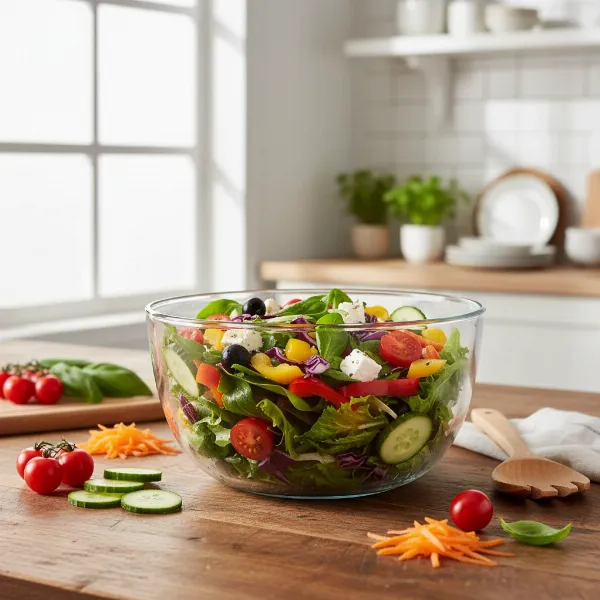
Stepping into the kitchen, many home cooks are seeking tools that not only perform exceptionally but also add a touch of personality to their culinary space. Enamelware mixing bowls, with their iconic speckled finishes and timeless appeal, have become a beloved choice for those who appreciate a vintage aesthetic. But beyond their charming appearance, do these bowls truly offer the durability needed for today’s bustling kitchens? Let’s delve into the world of enamelware mixing bowls to uncover their unique qualities, practical benefits, and how they stack up against other popular materials.
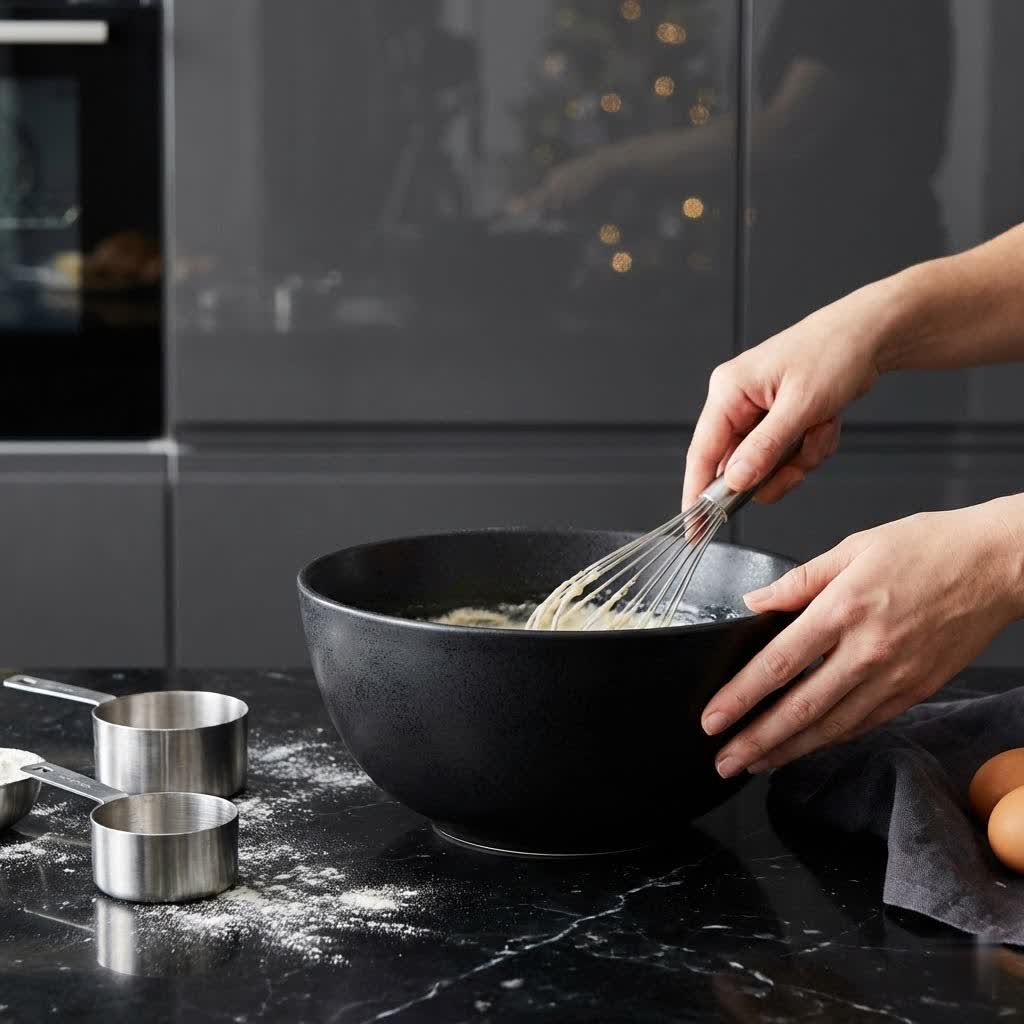
What Makes Enamelware Unique?
|
Our Picks for the Best Mixing bowl in 2026
As an Amazon Associate I earn from qualifying purchases.
|
||
| Num | Product | Action |
|---|---|---|
| 1 | Glad Mixing Bowls with Pour Spout, Set of 3 | Nesting Design Saves Space | Non-Slip, BPA Free, Dishwasher Safe Plastic | Kitchen Cooking and Baking Supplies, White |

|
| 2 | Winco , 8-Quart, Stainless Steel (MXB-800Q) |
|
| 3 | Glad Mixing Bowls with Pour Spout, Set of 3 | Nesting Design Saves Space | Non-Slip, BPA Free, Dishwasher Safe Plastic | Kitchen Cooking and Baking Supplies, Sage Green |
|
| 4 | Winco 5 Quart Heavy-Duty Stainless Steel Mixing Bowl, Deep |
|
| 5 | OXO Good Grips 5-Quart Mixing Bowl |
|
| 6 | Fox Run Brands 2.75-Quart Stainless Steel Mixing Bowl, 9 x 9 x 4 inches, Metallic |
|
| 7 | Umite Chef Mixing Bowls with Airtight Lids Set, 8PCS Stainless Steel Khaki Nesting Bowls with Grater Attachments, Kitchen Bowls with Non-Slip Bottoms, Size 5, 4, 3.5, 2, 1.5QT for Mixing & Serving |
|
| 8 | Priority Chef Premium Mixing Bowls With Lids Set, Airtight Lids, Thicker Stainless Steel, Non-Slip Base, 5 Nesting Steel Bowls for Kitchen, Large Prep Metal Bowl Set 1.5/2/3/4/5 Qt, Black |
|
| 9 | Cuisinart Mixing Bowl Set, Stainless Steel, 3-Piece, CTG-00-SMB |
|
| 10 | JoyJolt Stainless Steel Mixing Bowl Set - 6 Piece Nesting Bowls, 5qt to 0.5qt, Ideal for Kitchen, Cooking, Baking and Storage |
|
Enamelware is crafted from a steel core, which is then coated with a layer of porcelain enamel and fired at high temperatures. This process results in a smooth, non-porous surface that is both visually appealing and functional. The vintage look, often characterized by classic white with a colored rim or a speckled design, evokes a sense of nostalgia and homestyle cooking. Modern manufacturing has ensured that today’s enamelware is free from harmful chemicals like lead and nickel, adhering to strict safety standards, making it a safe choice for food preparation.
The Durability Factor: Are They Built to Last?
One of the most frequently asked questions about enamelware mixing bowls concerns their durability. At their core, these bowls are made of steel, which offers inherent strength and resistance to rust, provided the enamel coating remains intact. This robust construction means they can withstand everyday bumps and knocks better than more fragile materials like glass or ceramic.
However, enamelware is known to chip if subjected to hard impacts or extreme mishandling. While a small chip on the exterior might be purely cosmetic, a chip that exposes the underlying steel on the interior surface should be approached with caution. If the metal is exposed, particularly with acidic foods, there’s a slight risk of metal leaching. For this reason, many experts recommend discontinuing use for food preparation if a sharp, internal chip occurs. With proper care, however, many users find their enamelware bowls last for years, becoming cherished kitchen staples. They are often oven-safe up to temperatures around 500°F and can even be used on stovetops, adding to their versatility.
Enamelware vs. Other Popular Mixing Bowl Materials
Understanding how enamelware compares to other common mixing bowl materials can help you make an informed decision for your kitchen. Each material offers a distinct set of advantages and disadvantages.
Glass Mixing Bowls
Glass bowls are prized for their transparency, allowing cooks to see the mixing process clearly. They are non-reactive, microwave-safe, oven-safe, and do not absorb odors or flavors. However, they are typically heavier and more prone to breakage if dropped or exposed to rapid temperature changes, a phenomenon known as thermal shock.
Stainless Steel Mixing Bowls
Lightweight, highly durable, and non-reactive, stainless steel bowls are a professional chef’s favorite. They are excellent for whipping ingredients like egg whites or cream and are easy to clean. Their primary drawback is that they are not microwave-safe and can sometimes dent with rough use. While they are resilient, they often lack the aesthetic charm of enamelware.
Plastic Mixing Bowls
Plastic bowls are the most budget-friendly and lightweight option. They come in a vast array of colors and sizes. However, they are prone to staining and absorbing odors, can scratch easily, and often have concerns regarding BPA (though many are now BPA-free). They are generally less durable than metal or glass and may not be suitable for high heat.
Ceramic Mixing Bowls
Ceramic bowls offer good heat retention and a beautiful, often artisanal, appearance. They can be oven and microwave safe, making them versatile for baking and serving. On the downside, they are typically heavy and are susceptible to chipping or breaking if dropped or knocked.
Enamelware Mixing Bowls
Enamelware offers a unique blend. They are lighter than ceramic or glass but provide the sturdy feel of steel. Their non-porous surface is generally non-reactive when intact, resisting flavors and odors. They are oven and stovetop safe, but critically, not microwave safe due to their metal core. Their classic look is a major draw, but the potential for chipping requires careful handling.
Comparison Table: Mixing Bowl Materials at a Glance
| Feature | Glass | Stainless Steel | Plastic | Ceramic | Enamelware |
|---|---|---|---|---|---|
| Durability | Medium (fragile) | High | Low to Medium | Medium (fragile) | Medium (chips) |
| Weight | Heavy | Lightweight | Very Lightweight | Heavy | Medium |
| Price | Medium | Medium | Low | High | Medium to High |
| Cleaning | Easy | Easy | Medium | Easy | Easy (hand wash recommended) |
| Safety | High | High | Variable (BPA concerns) | High | High (if intact) |
| Microwave Safe | Yes | No | Yes (some) | Yes | No |
| Oven Safe | Yes (some) | No | No | Yes | Yes |
| Aesthetic | Transparent | Industrial | Functional | Decorative | Vintage |
Choosing the Right Enamelware Mixing Bowl for You
When selecting an enamelware mixing bowl, consider these factors:
- Purpose of Use: Will you primarily use it for light mixing, bread kneading, or serving? Enamelware excels in many tasks, but its lack of microwave safety might be a dealbreaker for some daily routines.
- Size and Set Considerations: Bowls come in various sizes. A nested set provides versatility and easy storage. Think about the common quantities you mix to determine the ideal capacities.
- Quality and Brand Reputation: Invest in well-made enamelware from reputable brands. Higher quality pieces often feature a thicker steel base and a more resilient enamel coating, which contributes to their longevity.
- Care Instructions: Be prepared to hand wash your enamelware, especially if you want to preserve its finish and prevent premature chipping or rusting, particularly on the rim. Avoid abrasive scrubbers.
- Safety with Chipping: While a minor chip on the outer surface is often harmless, be cautious with internal chips that expose the steel. For highly acidic ingredients, it’s best to use an intact bowl.
“Enamelware bowls are a fantastic choice for those who want to infuse their kitchen with classic style without sacrificing much on functionality. Just remember, a little care goes a long way in preserving their beauty and utility.”
Conclusion
Enamelware mixing bowls truly offer a charming blend of vintage aesthetics and practical durability. Their robust steel core and beautiful porcelain enamel finish make them a stylish and dependable addition to any kitchen. While they may not be microwave-friendly and require mindful handling to prevent chipping, their benefits—including being lightweight, non-reactive when intact, and often oven-safe—make them a compelling choice. By understanding their unique characteristics and caring for them properly, you can enjoy these timeless kitchen companions for years to come. Are you ready to add a touch of classic elegance to your culinary adventures?
Frequently Asked Questions
Are enamelware mixing bowls microwave safe?
No, enamelware mixing bowls are generally not microwave safe because they have a steel core. The metallic properties of the steel can cause sparks and damage your microwave.
Is it safe to use a chipped enamel bowl?
If an enamel bowl has a small chip on the exterior, it may still be safe to use for most purposes. However, if the chip is on the interior surface and exposes the underlying steel, it’s generally recommended to avoid using it for food preparation, especially with acidic foods, to prevent potential metal leaching.
How do you clean enamelware mixing bowls?
Enamelware bowls are often dishwasher safe, but hand washing with a gentle soap and non-abrasive sponge is usually recommended to preserve the enamel’s finish and prevent chipping or rusting over time. Dry them thoroughly after washing.
Can you put enamelware in the oven?
Yes, most enamelware mixing bowls are oven safe, often up to 500°F (270°C). This versatility allows them to be used for baking as well as mixing, making them a dual-purpose kitchen tool.
Are enamelware bowls heavy?
Enamelware bowls are generally lighter than glass or ceramic mixing bowls due to their steel base. However, they are typically heavier than plastic bowls, offering a good balance of sturdiness without being overly cumbersome.