Choosing the right mixing bowls can significantly impact your cooking and baking experience. From whisking eggs to kneading dough, these versatile tools are indispensable in any kitchen. But with a myriad of options available, how do you decide between classic ceramic and convenient plastic? Each material brings its own set of strengths and weaknesses to the countertop. We’ll delve into the specifics of ceramic and plastic mixing bowls, comparing their attributes to help you select the perfect companions for your culinary adventures, ensuring your kitchen is equipped for both efficiency and style.
Exploring Common Mixing Bowl Types: Ceramic and Plastic
When stocking your kitchen, understanding the unique characteristics of different mixing bowl materials is key. While many materials exist, ceramic and plastic stand out as popular choices, each offering distinct benefits depending on your cooking needs.
Ceramic Mixing Bowls
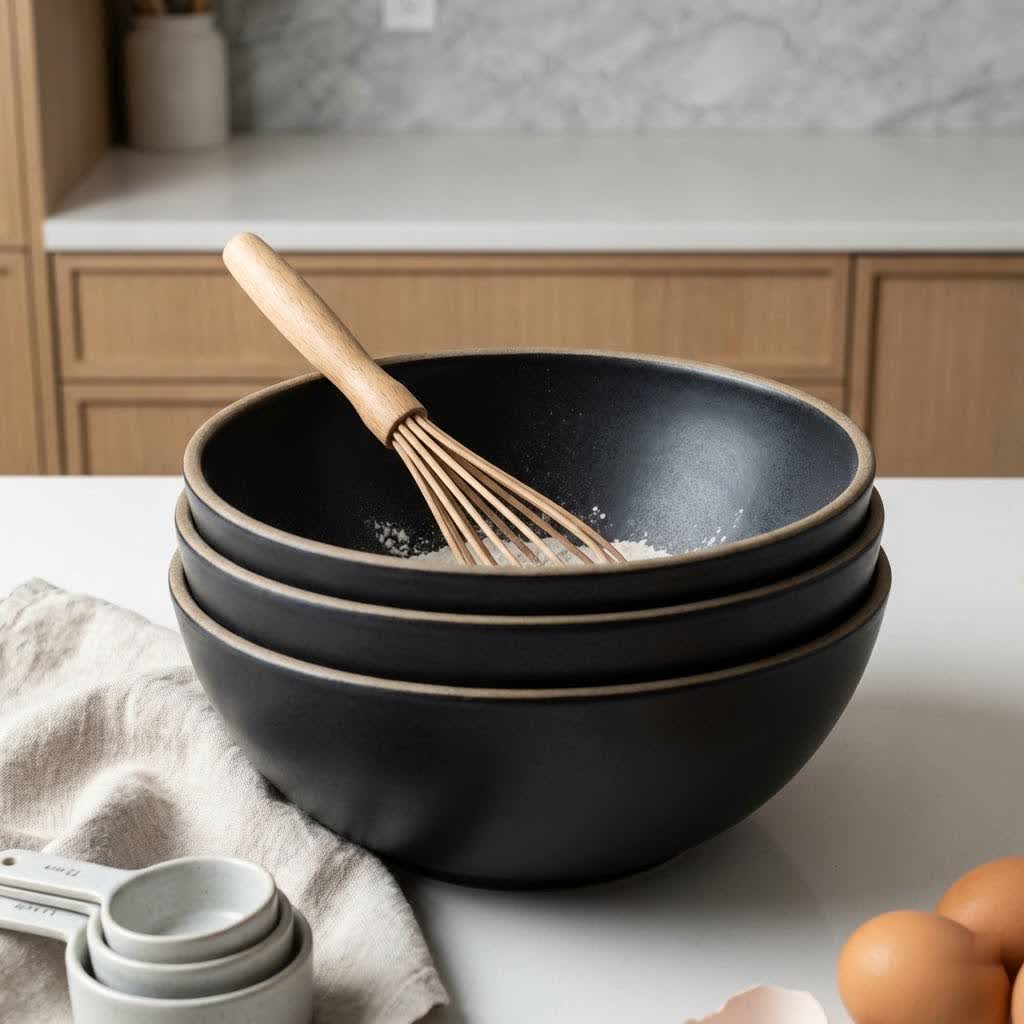
Ceramic mixing bowls are often celebrated for their timeless elegance and robust nature. Crafted from clay and fired at high temperatures, these bowls can be glazed in an array of colors and patterns, making them attractive enough to transition seamlessly from food preparation to table service.
-
Advantages:
- Aesthetic Appeal: Available in a wide variety of decorative styles, colors, and designs, ceramic bowls can double as beautiful serving dishes.
- Stability: Their inherent weight provides excellent stability on the counter, reducing movement during vigorous mixing tasks.
- Thermal Properties: Ceramic is a good insulator, meaning it helps keep foods hot or cold for longer periods, which is ideal for dough proofing or chilling salads.
- Non-Reactive: Ceramic does not react with acidic ingredients like citrus or tomatoes, preserving the food’s taste and preventing chemical leaching.
- Versatility: Many ceramic bowls are microwave- and oven-safe (always check manufacturer specifications), expanding their utility beyond just mixing.
- Resistant: They are generally more resistant to scratches, stains, and odors than plastic bowls.
-
Disadvantages:
- Weight: Their heaviness, while offering stability, can also make them cumbersome to handle, especially larger sizes or for those with limited mobility.
- Fragility: Ceramic is prone to chipping, cracking, and breaking if dropped or mishandled.
- Price: High-quality ceramic sets can be more expensive than their plastic counterparts.
- Durability Varies: Cheaper ceramics may chip more easily and can sometimes absorb odors if not properly glazed.
-
Suitable For: Ceramic bowls are excellent for tasks requiring stability, such as kneading dough, whisking, or mixing heavy batters. Their aesthetic makes them perfect for serving salads, side dishes, or even hot soups directly from the kitchen to the table.
|
Our Picks for the Best Mixing bowl in 2026
As an Amazon Associate I earn from qualifying purchases.
|
||
| Num | Product | Action |
|---|---|---|
| 1 | Glad Mixing Bowls with Pour Spout, Set of 3 | Nesting Design Saves Space | Non-Slip, BPA Free, Dishwasher Safe Plastic | Kitchen Cooking and Baking Supplies, Sage Green |

|
| 2 | OXO Good Grips 5-Quart Mixing Bowl |
|
| 3 | Umite Chef Mixing Bowls with Airtight Lids Set, 8PCS Stainless Steel Khaki Nesting Bowls with Grater Attachments, Kitchen Bowls with Non-Slip Bottoms, Size 5, 4, 3.5, 2, 1.5QT for Mixing & Serving |
|
| 4 | Winco , 8-Quart, Stainless Steel (MXB-800Q) |
|
| 5 | Glad Mixing Bowls with Pour Spout, Set of 3 | Nesting Design Saves Space | Non-Slip, BPA Free, Dishwasher Safe Plastic | Kitchen Cooking and Baking Supplies, White |
|
| 6 | Winco 5 Quart Heavy-Duty Stainless Steel Mixing Bowl, Deep |
|
| 7 | Priority Chef Premium Mixing Bowls With Lids Set, Airtight Lids, Thicker Stainless Steel, Non-Slip Base, 5 Nesting Steel Bowls for Kitchen, Large Prep Metal Bowl Set 1.5/2/3/4/5 Qt, Black |
|
| 8 | Cuisinart Mixing Bowl Set, Stainless Steel, 3-Piece, CTG-00-SMB |
|
| 9 | JoyJolt Stainless Steel Mixing Bowl Set - 6 Piece Nesting Bowls, 5qt to 0.5qt, Ideal for Kitchen, Cooking, Baking and Storage |
|
| 10 | Fox Run Brands 2.75-Quart Stainless Steel Mixing Bowl, 9 x 9 x 4 inches, Metallic |
|
Plastic Mixing Bowls
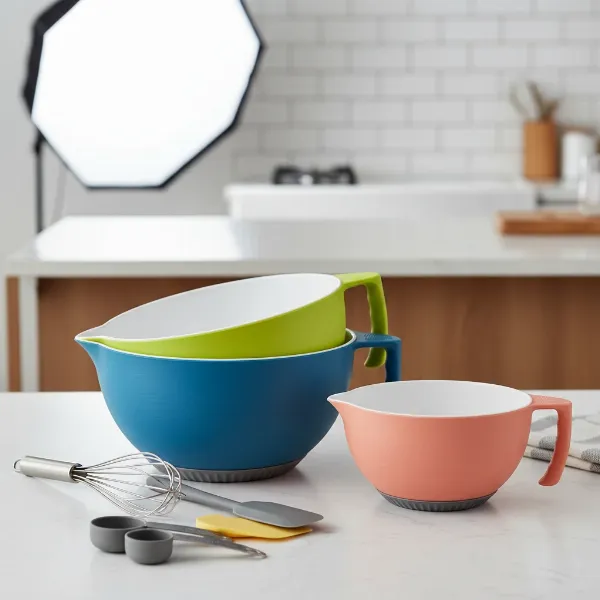
Plastic mixing bowls are often the go-to choice for many home cooks due to their practicality and affordability. Made from various polymers like polypropylene (PP), high-density polyethylene (HDPE), or melamine, they offer a lightweight and often unbreakable option for everyday kitchen tasks.
-
Advantages:
- Affordability: Plastic bowls are typically the most budget-friendly option, making them accessible for all kitchens.
- Lightweight: Their minimal weight makes them easy to handle, lift, and transport, ideal for picnics or potlucks.
- Durability (Shatterproof): Unlike ceramic or glass, plastic bowls are virtually unbreakable, resisting shattering even if dropped.
- Variety: They come in a vast array of colors, designs, and sizes, often with features like pouring spouts or non-slip bases.
- Convenience: Many plastic sets include lids, making them excellent for food storage and meal prep.
- Non-Reactive: Good quality plastic is non-reactive, meaning it won’t impart flavors or leach chemicals into acidic foods.
-
Disadvantages:
- Staining and Odor Absorption: Plastic is prone to scratching, which can harbor bacteria, and can absorb strong odors (e.g., garlic, onion) and stains from colorful foods.
- Heat Sensitivity: Some plastics can melt, warp, or leach chemicals when exposed to high heat, making them unsuitable for microwave or oven use unless specifically labeled.
- Durability (Wear and Tear): While shatterproof, plastic bowls can scratch easily and degrade over time, shortening their useful life.
- Whipping Challenges: Fats can adhere to plastic, making it difficult to achieve stiff peaks when whipping egg whites.
- Environmental Concerns: The environmental impact of plastic waste is a significant consideration, though some plastics are recyclable.
-
Suitable For: Plastic bowls are ideal for everyday mixing, preparing light batters, tossing salads, and storing leftovers. Their portability makes them great for outdoor events or transporting food.
Comparison Table: Ceramic vs. Plastic Mixing Bowls
To further illustrate their differences, here’s a direct comparison of ceramic and plastic mixing bowls:
| Feature | Ceramic Bowls | Plastic Bowls |
|---|---|---|
| Durability | Medium (prone to chipping/breaking) | Low to Medium (scratch-prone, can warp) |
| Weight | Heavy | Light |
| Price | Higher | Lower |
| Cleaning | Easy (non-porous, stain-resistant) | Medium (can stain, absorb odors) |
| Safety | High (non-reactive, generally microwave/oven safe) | Varies (BPA-free is important, heat sensitivity) |
| Aesthetics | High (decorative, can double as serving) | Medium (practical, wide color range) |
| Stability | Excellent (heavy base) | Moderate (can slide easily) |
How to Choose the Right Mixing Bowl for Your Kitchen
Selecting the ideal mixing bowl comes down to understanding your specific culinary habits and priorities. Consider these factors when making your choice:
Determine Your Purpose
What will you primarily use your mixing bowls for? If you frequently bake and need a stable bowl for kneading heavy doughs or prefer to serve directly from the bowl, ceramic might be your best bet. If you need lightweight bowls for quick mixes, meal prep, or transporting food, plastic offers unmatched convenience.
Choose the Right Size
Consider the capacity you’ll need. Smaller bowls are perfect for whisking eggs or small quantities of ingredients, while larger bowls are essential for preparing family-sized meals or large batches of baked goods. Many cooks find a nesting set with various sizes most practical, regardless of material.
Prioritize Safe Materials
Always opt for food-grade materials. For plastic, ensure it is BPA-free to avoid potential chemical leaching into your food, especially if heating. Ceramic bowls are generally non-reactive and a safe choice for all food types.
Evaluate Durability and Ease of Cleaning
Think about how much wear and tear your bowls will endure. While plastic is less likely to shatter, it can scratch and stain more easily over time. Ceramic, though more fragile, offers greater resistance to scratches and stains if well-glazed. Consider if the bowls are dishwasher-safe for convenient cleaning.
Consider Reputable Brands
Invest in quality by choosing reputable brands known for their durable and safe kitchenware. Quality materials and craftsmanship contribute to the longevity and performance of your mixing bowls, ensuring they serve you well for years to come. Look for high-fired stoneware or porcelain for ceramic bowls, and good quality, BPA-free plastics.
“The best mixing bowl isn’t just about material; it’s about how that material aligns with your cooking style and needs. A baker might prioritize the stability of ceramic, while a busy parent might value the lightweight, shatterproof nature of plastic.” – Chef Elena Rodriguez, Culinary Arts Instructor
Conclusion
Both ceramic and plastic mixing bowls hold a valuable place in the kitchen, each bringing distinct advantages to the table. Ceramic bowls offer aesthetic appeal, stability, and excellent heat retention, making them ideal for baking, serving, and tasks requiring a steady base. However, their weight and fragility are important considerations. Plastic bowls, on the other hand, shine in terms of affordability, lightweight design, and shatterproof durability, perfect for everyday mixing, meal prep, and portability, though they can be prone to scratching, staining, and heat sensitivity.
Ultimately, the choice between ceramic and plastic depends on your specific culinary demands, budget, and personal preferences for aesthetics and practicality. Many experienced home cooks find that a combination of both materials provides the most versatile solution for a well-equipped kitchen. What type of mixing bowl best suits your cooking philosophy?
Frequently Asked Questions
Is ceramic or plastic better for mixing bowls?
Neither is definitively “better”; it depends on your needs. Ceramic excels in stability, aesthetics, and heat retention, while plastic is preferred for its affordability, lightweight, and shatterproof qualities. For baking tasks requiring stability, ceramic often performs better. For light mixing and portability, plastic is a great choice.
Are ceramic mixing bowls safe?
Yes, ceramic mixing bowls are generally very safe. They are non-reactive, meaning they won’t leach chemicals or alter the taste of food, even with acidic ingredients. Most are also microwave and oven-safe, adding to their versatility.
Do plastic mixing bowls leach chemicals?
Modern, high-quality plastic mixing bowls, especially those labeled BPA-free, are designed to be safe for food contact and minimize chemical leaching. However, some lower-grade plastics, or those exposed to high heat or scratches, can potentially leach chemicals over time. It’s always best to use BPA-free options and avoid excessive heating.
What are the main advantages of ceramic bowls?
The main advantages of ceramic bowls include their beautiful, often decorative appearance, significant weight for stability during mixing, excellent heat retention properties, and non-reactive surface which is safe for all food types.
When should I use a plastic mixing bowl?
You should use a plastic mixing bowl when you need a lightweight, inexpensive, and shatterproof option. They are ideal for quick, everyday mixing, preparing light batters, tossing salads, and for situations where portability is key, such as picnics or potlucks.