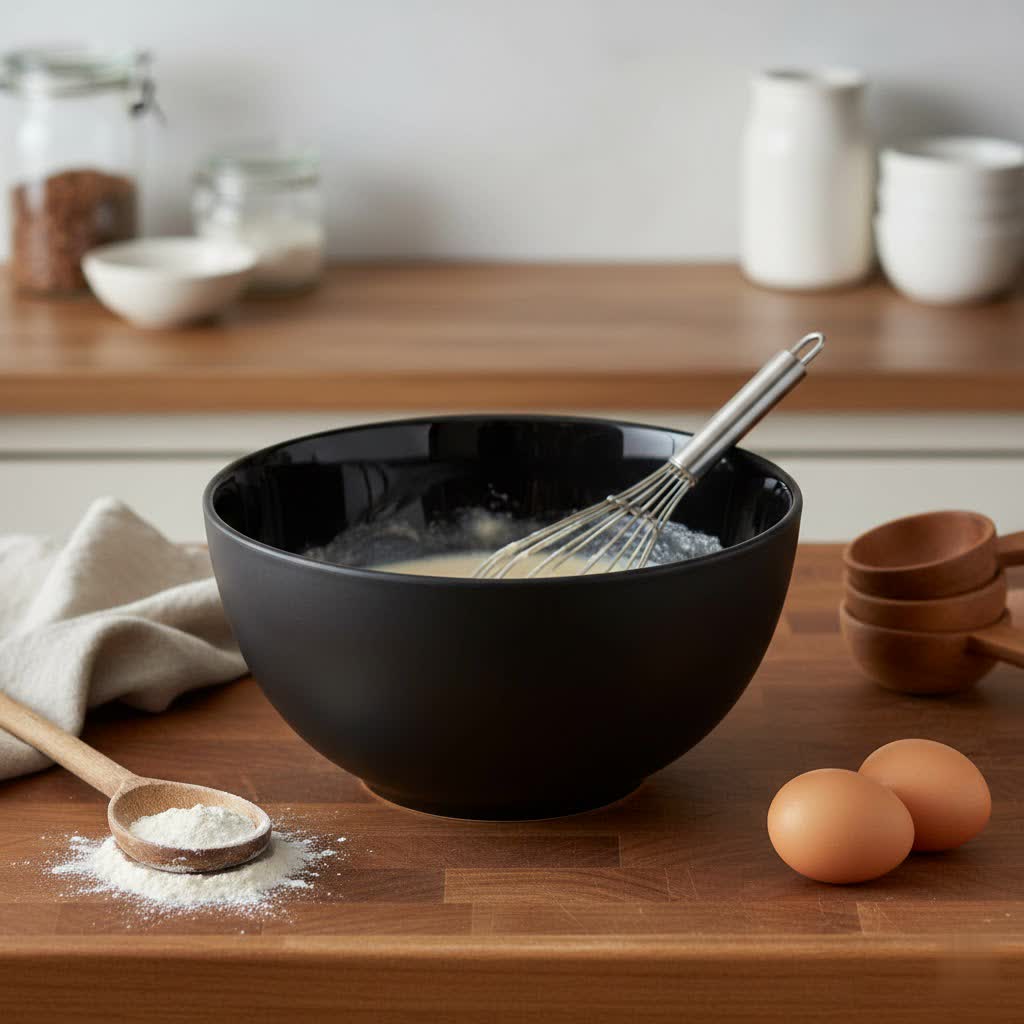
The kitchen is a treasure trove of specialized tools, and among the most frequently used are bowls. While they may seem interchangeable at first glance, mixing bowls and serving bowls are meticulously designed for very different purposes, each excelling in its specific domain. Understanding the nuances between these two essential kitchen items can significantly enhance your culinary efficiency and presentation skills. From whipping up a delicate meringue to showcasing a vibrant salad, choosing the right bowl for the job is key to both function and form in your gastronomic adventures.
Understanding Mixing Bowls
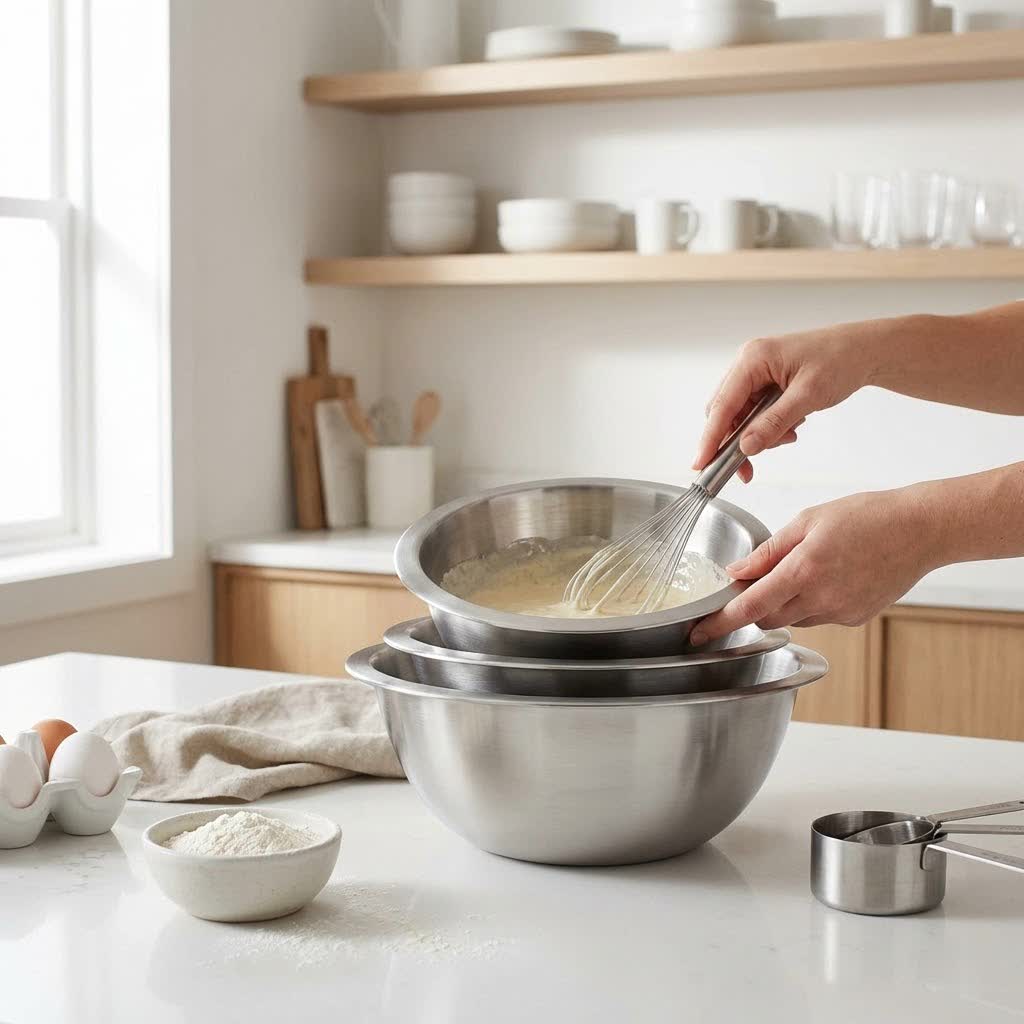
Mixing bowls are the workhorses of the kitchen, engineered for rigorous culinary preparation. Their primary function is to facilitate the combining, whisking, kneading, and marinating of ingredients. These bowls are built for utility and durability, designed to withstand the vigorous actions often involved in cooking and baking.
Characteristics of Mixing Bowls
|
Our Picks for the Best Mixing bowl in 2026
As an Amazon Associate I earn from qualifying purchases.
|
||
| Num | Product | Action |
|---|---|---|
| 1 | Umite Chef Mixing Bowls with Airtight Lids Set, 8PCS Stainless Steel Khaki Nesting Bowls with Grater Attachments, Kitchen Bowls with Non-Slip Bottoms, Size 5, 4, 3.5, 2, 1.5QT for Mixing & Serving |

|
| 2 | Priority Chef Premium Mixing Bowls With Lids Set, Airtight Lids, Thicker Stainless Steel, Non-Slip Base, 5 Nesting Steel Bowls for Kitchen, Large Prep Metal Bowl Set 1.5/2/3/4/5 Qt, Black |
|
| 3 | Cuisinart Mixing Bowl Set, Stainless Steel, 3-Piece, CTG-00-SMB |
|
| 4 | Fox Run Brands 2.75-Quart Stainless Steel Mixing Bowl, 9 x 9 x 4 inches, Metallic |
|
| 5 | Glad Mixing Bowls with Pour Spout, Set of 3 | Nesting Design Saves Space | Non-Slip, BPA Free, Dishwasher Safe Plastic | Kitchen Cooking and Baking Supplies, White |
|
| 6 | Glad Mixing Bowls with Pour Spout, Set of 3 | Nesting Design Saves Space | Non-Slip, BPA Free, Dishwasher Safe Plastic | Kitchen Cooking and Baking Supplies, Sage Green |
|
| 7 | Winco , 8-Quart, Stainless Steel (MXB-800Q) |
|
| 8 | OXO Good Grips 5-Quart Mixing Bowl |
|
| 9 | Winco 5 Quart Heavy-Duty Stainless Steel Mixing Bowl, Deep |
|
| 10 | JoyJolt Stainless Steel Mixing Bowl Set - 6 Piece Nesting Bowls, 5qt to 0.5qt, Ideal for Kitchen, Cooking, Baking and Storage |
|
Mixing bowls typically feature deep, often sloped sides that help contain ingredients during energetic mixing, preventing spills and splashes. They usually have a wider mouth relative to their base, allowing ample space for whisks, spatulas, and hands. Many also come with practical features like non-slip bases for stability, pour spouts for easy transfer, or comfortable rims for a secure grip.
Common Materials and Their Properties
- Stainless Steel Mixing Bowls:
- Pros: Extremely durable, lightweight, non-reactive with acidic foods, excellent heat conductivity (useful for bain-marie), easy to clean, and shatterproof.
- Cons: Can scratch easily, not microwave safe, and can be noisy during mixing.
- Best for: Whipping egg whites, kneading dough, marinating meats, general food prep.
- Glass Mixing Bowls:
- Pros: Non-porous, non-reactive, visually appealing (allowing you to see contents), easy to clean, and often microwave and oven safe (check manufacturer specifications).
- Cons: Heavy, prone to chipping or breaking if dropped, and can get hot when used with warm ingredients.
- Best for: Melting chocolate, mixing salads, proofing dough, microwaving ingredients, visual monitoring of mixing.
- Plastic Mixing Bowls:
- Pros: Very lightweight, inexpensive, shatter-resistant, and available in a wide array of colors and sizes.
- Cons: Can stain and absorb odors over time, prone to scratching (creating bacterial traps), and some types may not be microwave or heat safe. Quality can vary greatly; look for BPA-free options.
- Best for: Light mixing tasks, preparing children’s meals, serving as temporary holding bowls.
- Ceramic Mixing Bowls:
- Pros: Aesthetically pleasing, excellent heat retention, heavy and stable during mixing, non-reactive.
- Cons: Fragile, heavy, can chip or break easily, and generally more expensive.
- Best for: Resting dough, mixing batters where stability is key, often doubles as a decorative piece.
Understanding Serving Bowls
Serving bowls, by contrast, are crafted with presentation in mind. Their role begins once the food is prepared, transitioning it from the kitchen to the dining table. They are designed to display food attractively, making the meal an inviting experience for diners.
Characteristics of Serving Bowls
Serving bowls prioritize aesthetics and visual appeal. They typically feature elegant designs, shallower depths, and wider openings that allow dishes to be showcased beautifully. While some have practical elements, decorative flourishes, unique shapes, and complementary colors are often paramount. Their stable bases ensure they sit securely on the table.
Common Materials and Their Properties
- Ceramic/Stoneware Serving Bowls:
- Pros: Highly decorative, comes in countless glazes and patterns, excellent heat retention (keeping food warm), and often microwave and oven safe.
- Cons: Heavy, brittle and prone to chipping or breaking, can be expensive.
- Best for: Presenting hot dishes, salads, pasta, or side dishes in an elegant manner.
- Glass Serving Bowls:
- Pros: Transparent nature allows the food itself to be the visual focus, non-reactive, easy to clean, and often versatile for both hot and cold items.
- Cons: Can be heavy, breakable, and prone to showing fingerprints.
- Best for: Displaying colorful salads, fruit medleys, layered desserts, or any dish where visual appeal is key.
- Wooden Serving Bowls:
- Pros: Rustic and warm aesthetic, lightweight, gentle on delicate foods, and food-safe with proper oiling.
- Cons: Not suitable for very wet or hot foods (can warp or crack), requires handwashing and regular oiling to maintain, can absorb odors.
- Best for: Salads, bread rolls, fruit, snacks, and dry items, adding a natural touch to the table.
- Porcelain Serving Bowls:
- Pros: Extremely elegant and refined, durable for its delicate appearance, non-porous, and good at retaining heat.
- Cons: Can be expensive, delicate in appearance (though often quite strong), and can chip if mishandled.
- Best for: Formal dining, presenting sophisticated dishes, soups, or desserts.
Comparing Mixing Bowls and Serving Bowls
While both types of bowls hold food, their fundamental design philosophies diverge significantly. Mixing bowls are built for function and durability during preparation, whereas serving bowls are crafted for presentation and aesthetics at the table.
Key Differences at a Glance
| Feature | Mixing Bowls | Serving Bowls |
|---|---|---|
| Purpose | Food preparation (mixing, whisking, kneading) | Food presentation (displaying, holding for guests) |
| Shape | Deep, often sloped sides, wide mouth | Often shallower, wider, varied decorative shapes |
| Durability | Built to withstand vigorous use | Focus on aesthetics, may be more fragile |
| Features | Non-slip bases, pour spouts, handles | Decorative elements, stable bases |
| Materials | Stainless steel, glass, sturdy plastic, ceramic | Ceramic, glass, porcelain, wood, decorative plastic |
| Aesthetics | Utilitarian, functional | Elegant, decorative, visually appealing |
| Weight | Varies by material, often sturdy/heavy for stability | Varies, can be lighter (wood) or heavier (ceramic) |
The most noticeable distinction lies in their form. Mixing bowls prioritize a deep, functional design to keep ingredients contained during active preparation. Serving bowls, conversely, often feature shallower, wider, and more decorative forms that enhance the visual appeal of the food. “The primary goal of a mixing bowl is efficiency and containment, while a serving bowl aims to elevate the dining experience through visual appeal and proper presentation,” notes a seasoned culinary expert.
How to Choose the Right Bowl for Your Needs
Selecting the perfect bowl requires considering your specific culinary activities, the aesthetic you desire, and practical concerns like durability and ease of care.
Determine Your Primary Use
- For heavy-duty baking or cooking: Opt for a robust stainless steel or sturdy glass mixing bowl.
- For elegant table settings: Choose ceramic, porcelain, or attractive glass serving bowls.
- For casual gatherings: Consider durable plastic or a rustic wooden serving bowl for salads.
Consider Size and Capacity
- Mixing bowls: A set of varying sizes is ideal, from small ones for whisking eggs to large ones for kneading dough or tossing salads.
- Serving bowls: Match the size to the typical portions you serve. Larger bowls are great for family-style meals, while smaller ones suit side dishes or individual portions.
Evaluate Material Safety and Care
- BPA-free plastic: Essential if choosing plastic bowls, especially for food contact.
- Non-reactive materials: Stainless steel and glass are excellent choices for acidic ingredients.
- Microwave/Oven safe: Verify if you plan to heat contents in the bowl.
- Dishwasher safe: A key convenience factor for busy kitchens.
Assess Durability and Longevity
If you’re looking for bowls that will endure years of vigorous use, stainless steel and high-quality glass mixing bowls are excellent investments. For serving, ceramic and porcelain offer good durability for their beauty, though they require more careful handling than stainless steel.
Brand Reputation
Look for brands known for quality kitchenware. Reviews often highlight the longevity, usability, and specific features that make a bowl a worthwhile purchase. A reputable brand often guarantees better material quality and craftsmanship, ensuring your bowls last longer and perform better.
Conclusion
While often grouped under the general category of “bowls,” mixing bowls and serving bowls are distinct entities, each with a specialized role in the kitchen. Mixing bowls are the unsung heroes of preparation, designed for the practicalities of combining ingredients, offering stability and containment. Serving bowls, on the other hand, are the stars of the dining table, crafted to enhance the visual appeal and presentation of your culinary creations. By understanding these fundamental differences and considering your specific needs, you can confidently select the perfect bowls to support both your cooking endeavors and your dining aesthetics. Which type of bowl do you find yourself reaching for most often in your daily kitchen routine?
Frequently Asked Questions
Can I use a mixing bowl as a serving bowl?
While technically possible, mixing bowls are generally less aesthetically pleasing for serving due to their utilitarian design and often visible wear. For casual settings, it might be acceptable, but for formal meals, a dedicated serving bowl will elevate your presentation.
Are all glass bowls safe for both mixing and serving?
Most glass bowls are versatile for both, especially clear ones that allow food to shine. However, always check if they are tempered glass, which is more durable, and verify if they are oven or microwave safe if you plan to use them for heating.
What’s the best material for a versatile mixing bowl?
Stainless steel is often considered the most versatile due to its durability, lightweight nature, non-reactivity, and ease of cleaning, making it suitable for a wide range of mixing tasks.
Why do some mixing bowls have a rubber base?
A rubber or silicone base on a mixing bowl is designed to prevent the bowl from slipping and sliding on the countertop during vigorous mixing, offering increased stability and safety during food preparation.