In the demanding world of professional kitchens, every tool must perform flawlessly under pressure. Mixing bowls, often overlooked, are foundational to culinary success, from delicate whisking to vigorous dough kneading. For seasoned chefs, the choice of a mixing bowl isn’t trivial; it’s a strategic decision impacting efficiency, hygiene, and the quality of their craft. While many materials exist, stainless steel stands out as the undisputed champion, offering a blend of durability, versatility, and food safety unmatched by its counterparts. This guide delves into why stainless steel is the preferred material for culinary professionals and outlines the critical features that define the top stainless steel mixing bowls for any chef’s arsenal.
Common Types of Mixing Bowls
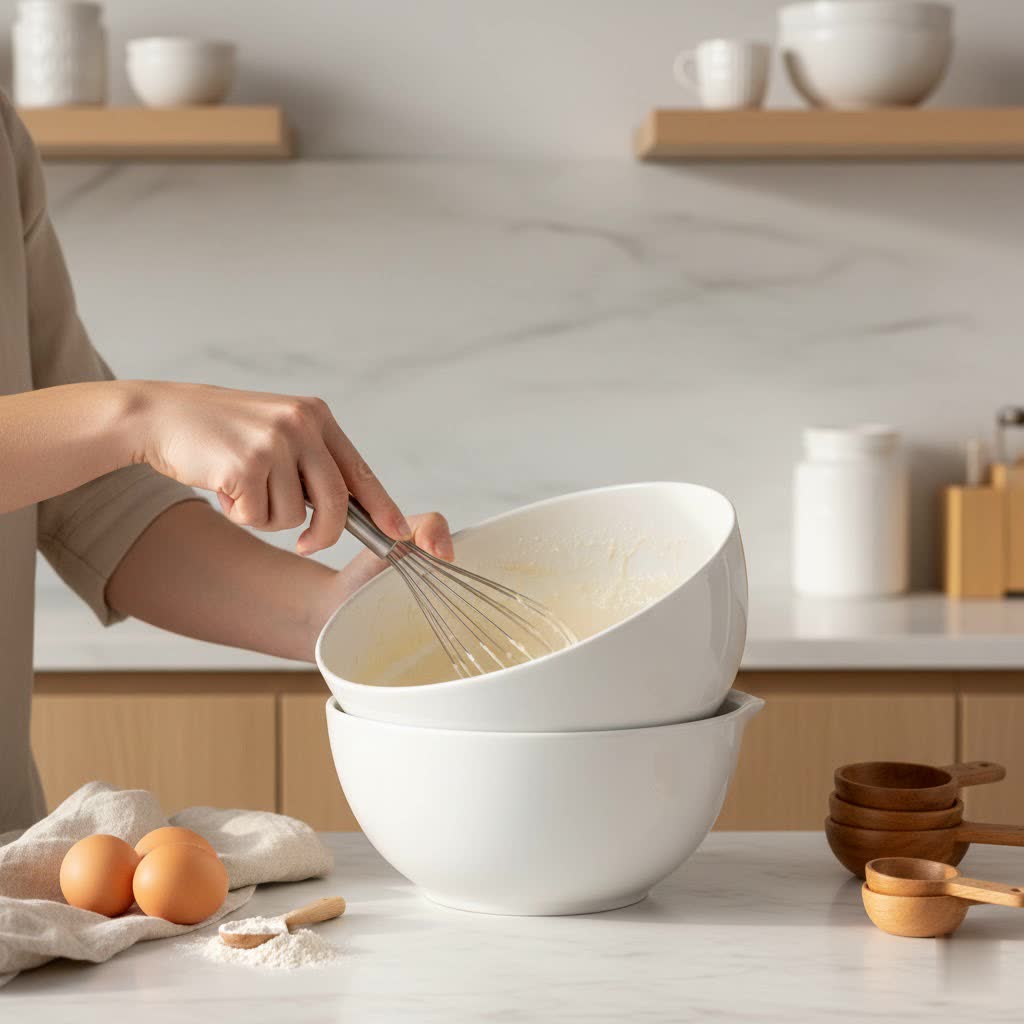
Different kitchen tasks call for different tools, and mixing bowls come in various materials, each with unique characteristics. Understanding these differences helps appreciate why professional chefs predominantly choose stainless steel.
Glass Mixing Bowls
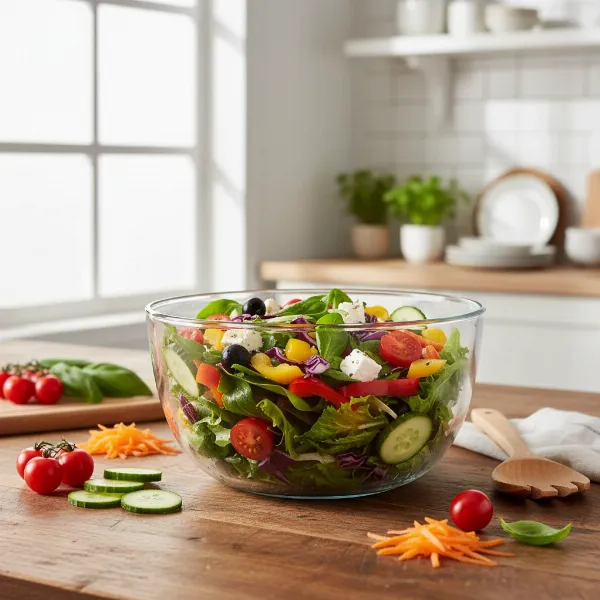
Glass bowls offer a classic aesthetic and the advantage of transparency, allowing chefs to visually monitor ingredients as they mix.
- Pros: High aesthetic appeal, easy to clean, non-porous and non-reactive with food, making them suitable for acidic ingredients. Their transparency is excellent for observing layers or emulsification processes, and they retain heat or cold effectively.
- Cons: Fragile and prone to breaking or chipping, especially in a busy kitchen environment. They are also considerably heavier than other materials, making handling cumbersome, and are not ideal for vigorous beating or kneading.
- Suitable for: Tossing delicate salads, proofing dough where visual monitoring is key, and elegant serving.
Stainless Steel Mixing Bowls
The workhorse of professional kitchens, stainless steel bowls are engineered for performance and resilience.
- Pros: Exceptionally durable, resisting rust, cracks, and chips under heavy use. They are lightweight, making them easy to handle, even in large capacities. Stainless steel bowls offer excellent temperature control, allowing them to be used for ice baths or placed near heat sources. Their non-reactive surface ensures food flavors remain pure, and their non-porous nature makes them highly hygienic and easy to clean. Many sets are designed to nest, saving valuable kitchen space.
- Cons: Can show scratches from vigorous whisking, may display fingerprints, and are not transparent. They can also be noisy if used with metal utensils.
- Suitable for: Kneading heavy doughs, whipping eggs, marinating large quantities, general prep, and tasks requiring precise temperature management like tempering chocolate.
Plastic Mixing Bowls
Plastic bowls are a common sight in many home kitchens due to their affordability and light weight.
- Pros: Inexpensive, very lightweight, and available in a wide array of colors and designs. Some plastic bowls come with non-slip bases, adding stability during light mixing tasks.
- Cons: Prone to scratching, which can harbor bacteria and absorb odors and stains over time. Concerns exist about potential chemical leaching (e.g., BPA) into food, especially with prolonged exposure to heat or acidic ingredients. They are less durable and not suitable for high-temperature applications.
- Suitable for: Light mixing of dry ingredients, preparing cold sauces, and tasks in less demanding environments, such as for children.
Ceramic Mixing Bowls
Ceramic bowls bring a touch of traditional elegance to the kitchen and are excellent for certain applications.
- Pros: Beautiful and available in various decorative styles, making them suitable for both prep and serving. They excel at retaining heat, which can be beneficial for certain processes like proofing dough.
- Cons: Very heavy and prone to chipping or breaking if dropped or handled roughly. Their weight can make them challenging to maneuver, and they are generally less suitable for the fast-paced, vigorous mixing common in professional settings.
- Suitable for: Marinating, gentle mixing, proofing bread dough, and as attractive serving vessels.
Comparison Table: Why Stainless Steel is the Professional’s Choice
When evaluating mixing bowls, professional chefs prioritize different attributes than home cooks. This table highlights how each material stacks up.
| Feature | Glass Mixing Bowl | Stainless Steel Mixing Bowl | Plastic Mixing Bowl | Ceramic Mixing Bowl |
|---|---|---|---|---|
| Durability | Medium | High | Low | Medium |
| Weight | Heavy | Lightweight | Lightweight | Heavy |
| Price | Medium | Medium | Low | High |
| Cleaning | Easy | Easy | Medium | Easy |
| Safety | High | High | Varies by type | High |
Guide to Choosing the Right Mixing Bowl
Selecting the ideal mixing bowl for a professional kitchen involves more than just aesthetics; it’s about functionality, efficiency, and longevity. For stainless steel, these considerations are paramount.
Determine Your Purpose
Professional chefs engage in a myriad of tasks daily, from whipping delicate meringues to emulsifying sauces and kneading resilient dough. A top-tier stainless steel mixing bowl set offers a versatile range of sizes to accommodate these diverse needs. Consider specific design features like deep sides for minimizing splatter when using hand mixers, or wide, shallow bowls for easy tossing of salads or ingredients. The ability to perform multiple functions, from bain-marie setups to storing prepped ingredients, is crucial.
Choose Appropriate Size
A professional kitchen thrives on efficiency, and having the right size bowl for every task is essential. Look for sets that include a comprehensive range of capacities, typically from half-quart bowls for small preparations like dressings or spice blends, up to large 20-quart or even 45-quart bowls for batch cooking, bread dough, or large-scale marinades. Nesting designs are highly advantageous, allowing bowls to stack neatly within each other, minimizing storage footprint in often-cramped commercial spaces.
Ensuring Food Safety
For any food professional, safety is non-negotiable. When choosing stainless steel, the grade of the material is critical. Food-grade stainless steel, specifically 304 (often labeled 18/8 or 18/10 chromium/nickel content), is widely accepted and offers excellent corrosion resistance and heat tolerance. For tasks involving highly acidic ingredients (like tomato-based sauces or strong citrus marinades) or salty brines, 316-grade stainless steel is superior due to its added molybdenum, which provides enhanced chemical resistance. Always verify that bowls are made from certified food-grade stainless steel to prevent any chemical reactions with food.
Durability and Easy Cleaning
The fast pace of a professional kitchen demands tools that can withstand constant use, rigorous washing, and accidental drops. Stainless steel excels in durability, resisting dents and rust far better than other materials. Furthermore, the non-porous surface of stainless steel prevents food particles from clinging, making them exceptionally easy to clean and sanitize. Dishwasher-safe properties are a significant time-saver, contributing to overall kitchen hygiene and operational efficiency. Look for heavy-gauge stainless steel for maximum resilience against warping or bending over time.
Reputable Brands
While specific brand names are less critical than the underlying qualities, experienced chefs often gravitate towards manufacturers known for their commercial-grade kitchen equipment. These brands typically focus on robust construction, ergonomic design, and features that cater to high-volume use. Consider bowls with well-designed rolled rims for a secure grip and drip-free pouring, and a flat, non-slip base that provides stability during vigorous mixing. Investing in a trusted brand ensures consistency in quality and performance, a key factor in professional culinary environments.
Conclusion
For professional chefs, stainless steel mixing bowls are not merely containers; they are indispensable tools that support the precision, efficiency, and hygiene demanded by a high-stakes kitchen. Their unmatched durability, non-reactive properties, ease of cleaning, and versatility make them the ultimate choice for a wide array of culinary tasks. By focusing on food-grade stainless steel, appropriate sizing, stable designs, and robust construction, chefs can build a collection of mixing bowls that will serve them reliably for years to come. Investing in these essential qualities means investing in the seamless flow of your kitchen and the consistent excellence of your culinary creations. What will be the next culinary masterpiece you craft with the perfect stainless steel mixing bowl?
Frequently Asked Questions
What makes stainless steel mixing bowls ideal for professional chefs?
Stainless steel mixing bowls are highly valued by professional chefs due to their exceptional durability, resistance to corrosion, non-reactive nature, and ease of cleaning. They can withstand the rigorous demands of a busy kitchen, ensuring hygiene and maintaining the pure flavor of ingredients.
Which grade of stainless steel is best for mixing bowls in a professional kitchen?
For most professional kitchen applications, 304-grade stainless steel (18/8 or 18/10) is excellent due to its balance of cost and performance. However, for preparing or storing highly acidic or salty foods, 316-grade stainless steel, with its enhanced corrosion resistance, is the superior choice.
How do stainless steel mixing bowls handle temperature changes?
Stainless steel mixing bowls are excellent for temperature control. They can be used effectively for creating ice baths to cool mixtures quickly or placed near heat sources for gentle warming, such as over a pot of simmering water for a bain-marie.
Are stainless steel mixing bowls safe for all types of food?
Yes, high-quality food-grade stainless steel mixing bowls (304 or 316) are safe for all types of food. Their non-porous and non-reactive surfaces ensure no flavors are absorbed or chemicals leached, preserving the integrity and safety of ingredients.
What are key design features to look for in professional-grade stainless steel mixing bowls?
Professional-grade stainless steel mixing bowls should feature wide, rolled, or flared rims for easy gripping and drip-free pouring, and a flat, stable base to prevent slipping. Nesting capabilities and a range of capacities are also crucial for optimal storage and versatile use in a busy kitchen.