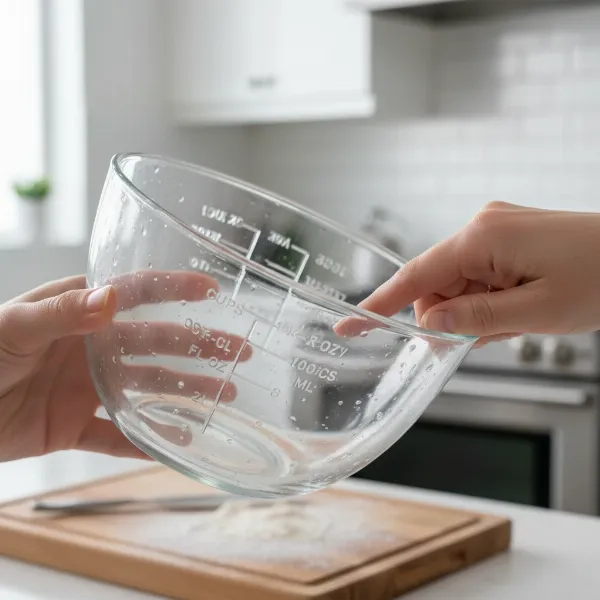
In the heart of every culinary creation, from a simple salad to an elaborate cake, lies the humble yet indispensable mixing bowl. For discerning home cooks and professional chefs alike, choosing the right mixing bowl is paramount to efficiency, durability, and even the final taste of a dish. When quality and craftsmanship are priorities, looking to manufacturers in the USA and Europe often leads to superior results. These regions are renowned for their high standards, innovative designs, and commitment to producing kitchen essentials that stand the test of time. This guide delves into the world of premium mixing bowls, highlighting top contenders made across the Atlantic and within the States, ensuring your kitchen is equipped with tools that truly inspire.
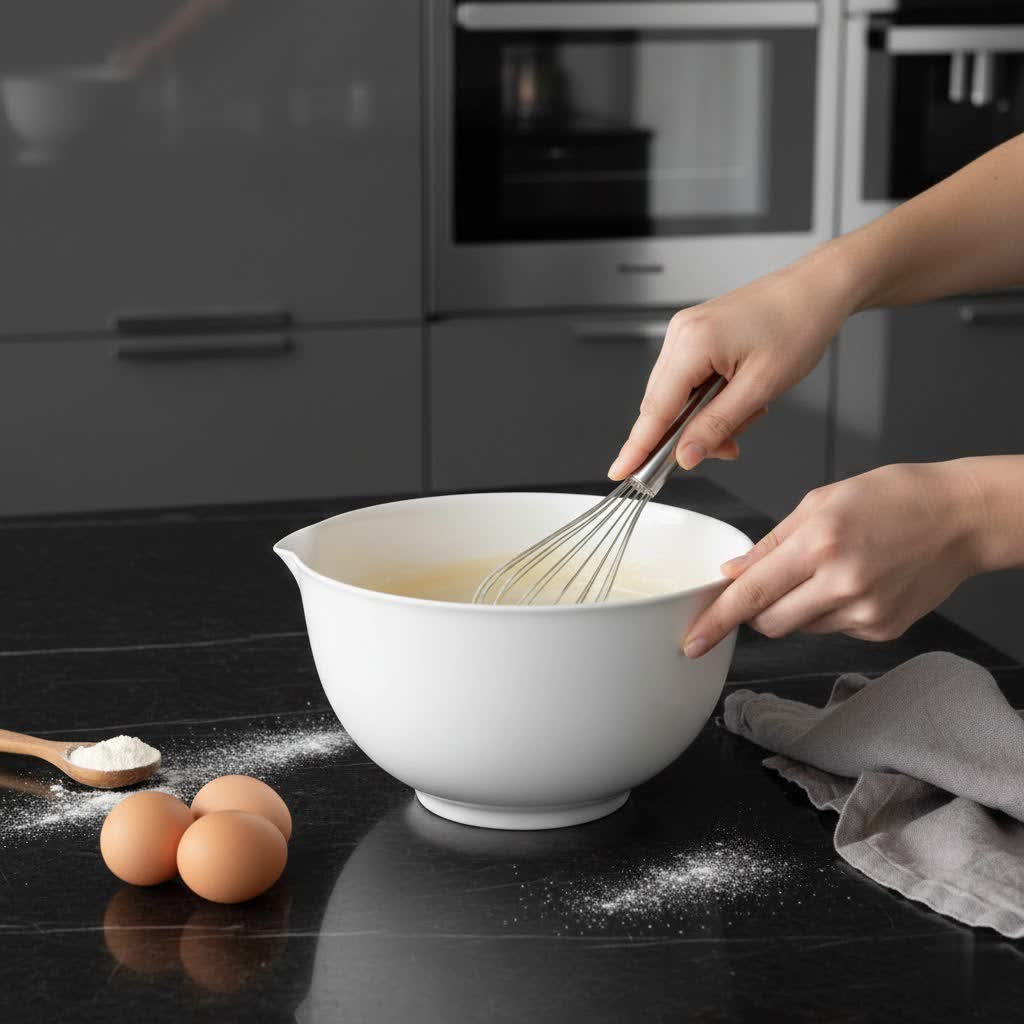
Popular Types of Mixing Bowls
Mixing bowls come in a variety of materials, each offering unique advantages and disadvantages for different culinary tasks. Understanding these differences is key to selecting the perfect bowl for your needs.
Glass Mixing Bowls
Table is empty.Glass bowls offer exceptional aesthetic appeal, allowing you to easily see the contents from all angles, which is particularly useful for layering or observing emulsions. They are non-porous, meaning they won’t absorb odors or stains, and are generally easy to clean. Glass is also non-reactive, making it safe for all food types, including acidic ingredients. Many glass bowls are microwave and oven-safe, adding to their versatility. However, glass bowls can be heavy and are susceptible to breaking if dropped or exposed to sudden temperature changes. They are often ideal for presentation, marinating, or tasks like melting chocolate in a double boiler.
Stainless Steel Mixing Bowls
Stainless steel is arguably the most popular material for mixing bowls due to its exceptional durability and lightweight nature. These bowls are resistant to rust, corrosion, and impacts, making them a long-lasting investment. They are excellent at retaining temperature, which can be beneficial for keeping ingredients chilled or warm. Stainless steel bowls are typically very easy to clean and often nest together for convenient storage. While generally safe, some lower-quality stainless steel might react minimally with highly acidic foods over extended periods, and they cannot be used in a microwave. They are the workhorses of the kitchen, perfect for vigorous whisking, kneading dough, or tossing large salads.
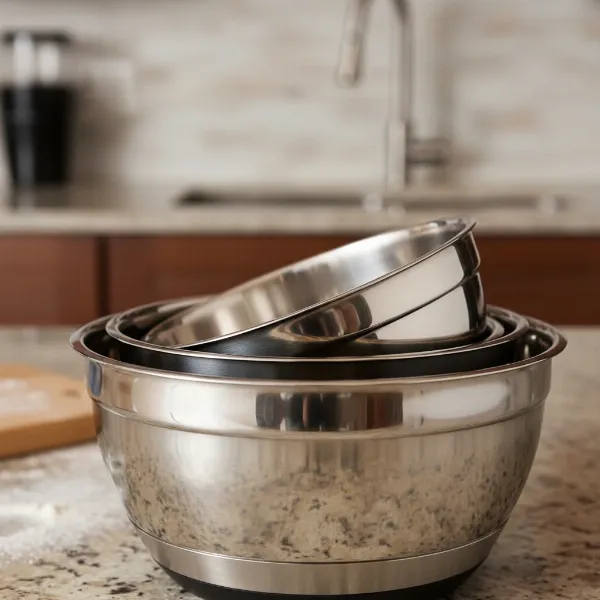 Close-up of three gleaming stainless steel mixing bowls nested together, showcasing their polished finish and durable construction for kitchen use.
Plastic Mixing Bowls
Plastic mixing bowls are known for their affordability, lightweight design, and often vibrant colors. They are less prone to breaking than glass or ceramic bowls, making them a good option for families or outdoor use. However, plastic can scratch easily, which can harbor bacteria over time. Some plastics may absorb odors or stains from strong ingredients like tomato sauce or garlic. It is crucial to choose BPA-free plastic for food safety. While convenient for light mixing and food prep, they may not offer the longevity or chemical inertness of other materials.
Ceramic Mixing Bowls
Ceramic bowls, often associated with a traditional and elegant aesthetic, are excellent at retaining heat or cold, making them suitable for tasks like proofing dough or keeping food warm. They are heavy and sturdy, providing stability during mixing, and their smooth, non-porous surface is easy to clean and non-reactive with food. However, ceramic bowls can be prone to chipping or breaking if dropped, and their weight can be a disadvantage for some users. They are a beautiful choice for baking, serving, and tasks where temperature stability is important.
Top 5 Mixing Bowls Made in the USA or Europe
For those who prioritize domestic or European craftsmanship, these mixing bowls represent some of the best choices available, combining quality, durability, and thoughtful design.
-
HexClad Stainless Steel Mixing Bowls (Made in USA): HexClad offers a premium stainless steel mixing bowl set celebrated for its durability and innovative features. These bowls boast a non-slip silicone base, ensuring they stay firmly in place even during vigorous mixing. A standout feature is their patented vacuum seal lids, designed to keep food exceptionally fresh, making them ideal for both prep and storage. Crafted from high-quality stainless steel, HexClad bowls provide the resilience needed for everyday kitchen tasks while offering advanced functionality.
-
USA Pan Mixing Bowl Set (Made in USA): Known for its commitment to American manufacturing, USA Pan offers a stainless steel mixing bowl set designed with home bakers in mind. These bowls feature unique rolled edges for enhanced strength and stability, making them robust companions for heavy-duty mixing. A significant advantage is their non-stick coating on the inside, which simplifies cleanup—a true blessing after extensive baking sessions. USA Pan’s dedication to quality ensures a reliable and user-friendly experience.
-
Le Creuset Stoneware Multi Bowl (Made in France/Europe): From the iconic French brand, Le Creuset, comes this elegant stoneware multi bowl. Embodying a French-inspired aesthetic, this ceramic bowl adds a sophisticated touch to any kitchen. It is crafted from durable stoneware, known for its scratch and stain resistance, promising long-lasting beauty and functionality. While it is a single bowl rather than a set, its superior heat retention makes it perfect for proofing dough, serving hot dishes, or as a beautiful centerpiece. Le Creuset’s renowned quality makes this a top European choice.
-
BergHOFF Geminis Stainless Steel Mixing Bowl Set (Crafted in USA): The BergHOFF Geminis set comprises high-quality 18/10 stainless steel mixing bowls, meticulously crafted in the USA. This set includes various sizes, making it versatile for a range of culinary applications, from prepping ingredients to serving. Their polished finish not only contributes to a stunning appearance but also provides resistance against scratching and tarnishing, ensuring they maintain their pristine look over time. These bowls combine functional excellence with enduring style.
-
Vollrath Stainless Steel Mixing Bowl Set (Made in USA): Vollrath is a well-respected American brand, particularly prominent in the foodservice industry, bringing professional-grade efficiency to home kitchens. Their stainless steel mixing bowls are lightweight yet incredibly durable, designed to withstand frequent use. They are available in a wide range of sizes and feature flared, mess-free rims that make pouring and handling ingredients smoother and cleaner. These bowls are lauded for their straightforward utility and robust construction, embodying the practical needs of any busy kitchen.
Guide to Choosing the Right Mixing Bowl
Selecting the perfect mixing bowl set goes beyond just aesthetics. Consider these factors to ensure you make an informed decision that meets your specific needs and culinary ambitions.
Determine Your Purpose
Before purchasing, reflect on how you primarily intend to use your mixing bowls. Do you frequently bake, requiring bowls for dough and batters? Are you a salad enthusiast who needs large bowls for tossing greens? Or do you need versatile bowls for everyday food prep, marinating, and serving? Different tasks benefit from different materials and features. For instance, glass bowls are excellent for microwaving or visually assessing mixtures, while stainless steel excels in durability and temperature control.
Choose the Right Size
Mixing bowls come in a myriad of sizes, from small prep bowls perfect for spices or individual egg yolks to extra-large bowls capable of handling significant quantities of dough or a family-sized salad. A good set often includes a range of sizes, allowing you to tackle various recipes efficiently. Consider the volume of food you typically prepare and ensure the largest bowl can accommodate your most ambitious culinary projects, while smaller bowls are handy for ingredients.
Prioritize Safe Materials
Food safety should always be a top concern. Opt for materials that are non-reactive and free from harmful chemicals. Stainless steel (especially 18/8 or 18/10 grades) and glass are generally considered very safe. If choosing plastic, ensure it is clearly labeled as BPA-free. Ceramic bowls are also a safe, non-reactive choice, but always check for lead-free glazes. High-quality materials not only protect your food but also contribute to the longevity of the bowls.
Durability and Ease of Cleaning
A great mixing bowl should withstand the rigors of daily kitchen use and be easy to maintain. Stainless steel and high-quality ceramic bowls offer excellent durability against chips and scratches. Glass bowls are durable but require careful handling. Consider whether the bowls are dishwasher-safe, as this greatly simplifies cleanup. Features like polished interiors in stainless steel or non-porous glass surfaces prevent food from sticking and make washing less of a chore.
Reputable Brands
Investing in bowls from well-regarded brands often guarantees a higher standard of quality, customer service, and longevity. Brands like Le Creuset, HexClad, USA Pan, BergHOFF, and Vollrath have established reputations for producing reliable kitchenware. While they may come with a higher price tag, the durability and performance often justify the investment, saving you money and hassle in the long run.
“A quality mixing bowl isn’t just a container; it’s an extension of your hands in the kitchen, offering stability, ease of use, and the confidence to create.” – Chef Elena Rodriguez, Culinary Arts Instructor
Conclusion
Choosing the right mixing bowls, particularly those crafted with care in the USA or Europe, can significantly enhance your cooking and baking experience. From the robust utility of American-made stainless steel to the elegant functionality of European stoneware, these premium options offer superior durability, thoughtful design, and reliable performance. By considering your specific culinary needs, prioritizing safe materials, and investing in quality brands, you equip your kitchen with tools that are not only effective but also a pleasure to use for years to come. What culinary masterpiece will you create with your new favorite mixing bowl?
Frequently Asked Questions
Why should I choose mixing bowls made in the USA or Europe?
Mixing bowls made in the USA or Europe often adhere to higher manufacturing standards, utilizing premium materials and meticulous craftsmanship. This typically results in products that are more durable, safer for food contact, and designed with superior functionality compared to mass-produced alternatives from other regions.
What are the main benefits of stainless steel mixing bowls?
Stainless steel mixing bowls are highly valued for their exceptional durability, lightweight nature, and resistance to rust and corrosion. They are also excellent at maintaining temperature, whether hot or cold, making them versatile for various cooking and baking tasks. Many sets are designed to nest for easy storage.
Can I use ceramic mixing bowls in the oven?
Many ceramic mixing bowls are oven-safe, but it’s crucial to check the manufacturer’s specific guidelines before using them in a hot oven. High-quality stoneware, like that from Le Creuset, is typically designed to withstand high temperatures, making it suitable for baking or keeping food warm.
How do I ensure my mixing bowls are BPA-free?
For plastic mixing bowls, always look for explicit “BPA-free” labeling on the product or packaging. For glass, stainless steel, and ceramic bowls, BPA is not typically a concern as it’s a chemical found in certain plastics. Sticking to reputable brands also helps ensure material safety.
What features should I look for in a mixing bowl set for baking?
For baking, consider a set with a range of sizes, including a large bowl for dough. Features like non-slip bases provide stability, while deep sides help contain splatters during vigorous whisking. Durable materials like stainless steel or sturdy ceramic are preferred, and easily cleanable surfaces are a bonus for sticky ingredients.