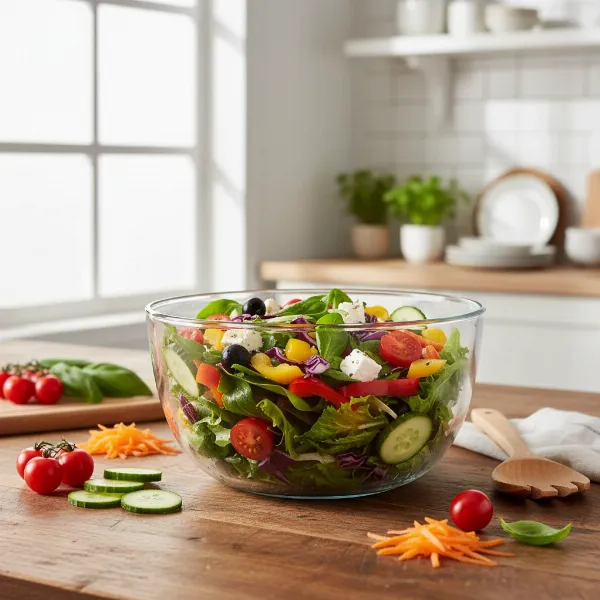
Melamine mixing bowls are a colorful and common sight in kitchens worldwide, praised for their lightweight nature and durability. They seem like the perfect companion for everything from whipping up a quick salad to preparing ingredients for baking. But when it comes to heat, particularly hot foods and microwave use, a critical question arises: Are melamine mixing bowls truly safe? Understanding the properties of melamine and its interaction with high temperatures is essential for ensuring food safety in your home.
Understanding Melamine Mixing Bowls
Melamine is a type of plastic, specifically a thermosetting plastic resin made from melamine and formaldehyde. This resin is molded under heat and pressure to create hard, durable, and shatter-resistant dinnerware and kitchen tools. Its appealing qualities include being lightweight, vibrant in color, and less prone to breaking compared to glass or ceramic. These characteristics make melamine bowls popular for outdoor dining, children’s dinnerware, and general kitchen use where robust, easy-to-handle bowls are preferred.
The Science of Melamine and Heat
The durability of melamine comes from its strong chemical bonds, but these bonds are not invincible, especially when exposed to high temperatures. When melamine-formaldehyde resin products, like mixing bowls, are subjected to excessive heat, the chemical structure can begin to break down. This degradation can lead to the migration of its constituent chemicals—melamine and formaldehyde—into your food. Both substances are regulated for food contact due to potential health concerns if ingested at high levels. The U.S. Food and Drug Administration (FDA) has specific guidelines regarding melamine’s safe use, primarily for serving food at appropriate temperatures, not for cooking or reheating.
Melamine and Hot Foods: The Truth
Melamine mixing bowls are generally considered safe for serving food at typical room temperatures or for briefly holding moderately warm dishes. The general consensus from food safety authorities like the FDA indicates that melamine is safe for serving foods up to approximately 160°F (71°C). Some higher-grade melamine products may tolerate temperatures up to 100°C (212°F) for short serving periods, such as ladling hot soup directly into a bowl. However, this doesn’t mean they are suitable for all hot food applications.
The key distinction lies between serving hot food and heating or cooking food in melamine. When melamine is exposed to prolonged high temperatures, especially above 70°C (158°F), the risk of chemical migration significantly increases. This is particularly true for acidic foods, such as tomato-based sauces or citrus preparations, which can accelerate the leaching process when hot.
Why Microwaving Melamine is a No-Go
Perhaps the most critical rule for melamine mixing bowls is this: never put them in the microwave. The FDA explicitly advises against heating foods or drinks in melamine-based dinnerware in microwave ovens. Microwaves heat food rapidly and intensely, and melamine is simply not designed to withstand this kind of direct, high heat.
What happens when melamine meets the microwave?
- Chemical Leaching: The extreme and uneven heat from a microwave can cause the melamine-formaldehyde resin to break down, significantly increasing the migration of these chemicals into your food. This risk outweighs the convenience.
- Bowl Damage: Microwaving can cause melamine bowls to warp, crack, become brittle, or discolor over time. Such damage is a clear indicator that the material is degrading and should no longer be used for food.
- Uneven Heating: Unlike microwave-safe materials that distribute heat effectively, melamine can heat unevenly, creating hot spots that further compromise the material and potentially burn your food.
While a few manufacturers might claim certain melamine products are microwave-safe, the overwhelming expert advice is to avoid it entirely. It’s always safer to transfer food to a microwave-safe container, like glass or ceramic, for reheating.
Risks of Chemical Migration
The migration of melamine and formaldehyde from tableware into food is a health concern. While small, occasional exposure levels from properly used melamine are generally not expected to cause adverse health effects, repeated exposure to higher levels due to misuse (like microwaving or prolonged exposure to very hot or acidic foods) is problematic. Formaldehyde, in particular, is a known irritant and potential carcinogen at higher concentrations. Ensuring your melamine bowls are intact and used only for their intended purpose—serving, not cooking or heating—is crucial for minimizing these risks. If you notice any warping, cracking, or surface wear, it’s a clear sign that the bowl is breaking down and should be replaced immediately.
Safer Alternatives for High-Heat Cooking and Reheating
For tasks involving high heat, such as cooking, baking, or reheating, it’s best to opt for mixing bowls made from materials designed to withstand these temperatures safely.
Glass Mixing Bowls
- Advantages: Glass bowls are non-reactive, transparent, and generally safe for use in microwaves, conventional ovens, and dishwashers. They don’t leach chemicals and are excellent for both mixing and serving.
- Disadvantages: They are heavier and more fragile than melamine, prone to breaking or chipping if dropped.
- Best For: Baking, microwaving, oven cooking, serving salads, and storing food.
Stainless Steel Mixing Bowls
- Advantages: Highly durable, lightweight, shatterproof, and non-reactive to most foods. Stainless steel bowls are excellent for vigorous mixing, beating eggs, or kneading dough. They are typically dishwasher safe.
- Disadvantages: Not microwave safe. While some can be oven-safe at low temperatures, they are not ideal for direct heat on a stovetop without proper construction. Can sometimes scratch if abrasive tools are used.
- Best For: Mixing large batches, baking prep, whisking, and heavy-duty tasks.
Ceramic Mixing Bowls
- Advantages: Ceramic bowls are aesthetically pleasing, great for heat retention, and often safe for microwave and oven use (check manufacturer’s instructions). They are non-reactive and easy to clean.
- Disadvantages: Like glass, they are heavy and can break or chip if mishandled.
- Best For: Baking (especially for chilling dough), marinating, serving warm dishes, and slow cooking in the oven.
Comparison Table: Mixing Bowl Materials and Heat Safety
| Feature | Melamine | Glass | Stainless Steel | Ceramic |
|---|---|---|---|---|
| Heat Resistance | Low (serving only, up to ~100°C short term) | High (oven/microwave safe) | High (some oven safe, not microwave) | High (oven/microwave safe) |
| Microwave Safe | No (strongly advised against) | Yes | No | Yes |
| Oven Safe | No | Yes | Yes (check specific product) | Yes |
| Chemical Leaching | Yes (with heat/acid) | No | No | No |
| Durability | Moderate (shatter-resistant) | Moderate (can chip/break) | High (dent-resistant) | Moderate (can chip/break) |
| Weight | Light | Heavy | Light to Medium | Heavy |
| Cost | Low | Medium | Medium to High | Medium to High |
Choosing the Right Mixing Bowl for Your Needs
Selecting the perfect mixing bowl truly depends on its intended use. For everyday cold preparations like mixing salads, serving snacks, or light baking, melamine bowls offer a durable, lightweight, and vibrant option. However, when heat is involved—whether it’s reheating leftovers, melting butter, or baking in the oven—it is crucial to switch to materials like glass, stainless steel, or ceramic that are specifically designed to safely handle high temperatures. Always prioritize safety and check manufacturer guidelines for any specific product. Opting for the right tool for the job ensures not only the longevity of your kitchenware but, more importantly, the safety of your food.
Frequently Asked Questions
Can I put boiling water in a melamine bowl?
While some high-grade melamine can briefly tolerate temperatures up to 100°C (212°F), it’s generally recommended to avoid prolonged contact with boiling liquids to minimize the risk of chemical migration, especially with prolonged exposure. Use glass or stainless steel for boiling water.
What are the signs that a melamine bowl is no longer safe to use?
Look for visible signs of damage such as warping, cracks, chips, deep scratches, or discoloration. These indicate that the material is breaking down and could be leaching chemicals into your food. It’s best to discard and replace damaged melamine bowls.
Is melamine the same as BPA-free plastic?
Melamine is a type of plastic resin, but it is distinct from common plastics like polycarbonate, which often contain BPA (Bisphenol A). Many melamine products are naturally BPA-free because BPA is not a component of melamine-formaldehyde resin. However, “BPA-free” does not mean “microwave-safe” or “heat-safe.”
Can I use melamine bowls for hot acidic foods like tomato soup?
It’s best to avoid using melamine bowls for hot acidic foods. Acidic conditions, especially when combined with high temperatures, can increase the rate at which melamine and formaldehyde leach into food, posing a higher risk.
Are melamine bowls dishwasher safe?
Most melamine bowls are top-rack dishwasher safe, but it’s essential to check the manufacturer’s instructions. Avoid high-heat wash cycles, as excessive heat can degrade the material over time, even in a dishwasher. Hand washing can prolong their life.