Imagine the delight of perfectly whipped cream, light as air and exquisitely smooth, gracing your favorite desserts. Now, picture achieving that culinary triumph without a single splatter marring your kitchen countertops or clothes. For many home bakers, whisking cream can feel like a chaotic battle against gravity and a liquid rebellion. But what if I told you that a pristine kitchen and cloud-like whipped cream aren’t mutually exclusive? This comprehensive guide will equip you with the knowledge and techniques to conquer cream splatter, transforming your whisking experience into a clean, confident, and utterly satisfying endeavor.
From selecting the right tools to mastering crucial preparation steps and whisking motions, we’ll delve into the secrets behind a spotless process. You’ll learn how to leverage simple kitchen hacks and embrace expert tips that ensure every batch of whipped cream is a masterpiece, not a mess. Get ready to elevate your dessert game and enjoy the magic of whisking without the cleanup drama.
Understanding the Splatter Phenomenon: Why Cream Goes Rogue
Before we can prevent splattering, it’s essential to understand why it happens. When you begin whisking liquid cream, especially at higher speeds, the beaters or whisk blades vigorously agitate the thin liquid. This rapid movement creates centrifugal force, flinging tiny droplets outwards from the bowl. As the cream slowly incorporates air and begins to thicken, the viscosity increases, naturally reducing the splatter. However, the initial liquid phase is often the most problematic. Factors like insufficient chilling, an inappropriate bowl, or an overly aggressive whisking speed can exacerbate this messy issue. It’s a dance between air incorporation and liquid containment, and a slight misstep can lead to a widespread mess.
Essential Tools for Splatter-Free Whisking
Choosing the right equipment is your first line of defense against errant cream droplets. The combination of your mixing vessel, whisk, and even the type of cream itself plays a crucial role in maintaining a clean workspace.
The Ideal Mixing Bowl: Size, Shape, and Material
Table is empty.The bowl you choose is paramount. A large, deep bowl is your best friend, as it provides ample space for the cream to expand as it incorporates air and offers high sides to contain any splashes. Many experienced bakers recommend a narrow bowl with tall sides over a wide, shallow one for minimizing splatter during the initial liquid phase. [cite: 4 (search result 2)]
When it comes to material, stainless steel is often considered the gold standard for whipping cream. It boasts superior thermal conductivity, meaning it chills quickly and maintains a cold temperature throughout the whisking process, which is crucial for stable whipped cream. [cite: 2, 3 (search result 3)] Glass bowls can also work well, retaining temperature once chilled, and offering the advantage of visibility to monitor consistency. However, avoid plastic bowls if possible, as they tend to absorb warmth and may not chill as effectively, potentially hindering the whipping process. [cite: 1 (search result 3)]
Whisk Selection: Hand Whisk or Electric Mixer?
Whether you opt for a hand whisk or an electric mixer, the right tool can make a difference. For hand whisking, a large balloon whisk with a substantial head will incorporate air more efficiently and with less effort. [cite: 2 (search result 1)] If using an electric hand mixer, ensure the beaters are suitable for whipping and that you have enough cream to submerge them properly. For stand mixers, the whisk attachment is designed for optimal aeration. The choice depends on batch size and desired effort, but the principles of careful technique remain universal.
The Power of Preparation: Chilling and Cream Selection
Many splatter issues can be preemptively solved before you even begin whisking. Proper chilling and selecting the right cream are fundamental steps that contribute significantly to both mess prevention and successful whipping.
The Importance of Chilled Ingredients and Equipment
This cannot be stressed enough: everything should be cold. Seriously cold. Chilling your heavy cream, your mixing bowl (especially if it’s metal), and even your whisk or electric mixer beaters for at least 15 minutes in the refrigerator or freezer will dramatically improve your whipping success and reduce splatter. [cite: 2 (search result 2), 3 (search result 2), 5 (search result 2)] Cold cream whips faster and achieves a more stable, voluminous texture, which inherently limits the chaotic flinging of liquid. A well-chilled stainless steel bowl will stay colder longer, helping the cream maintain its structure.
Choosing the Right Cream: Fat Content Matters
Not all cream is created equal when it comes to whipping. For best results and the least amount of fuss (and splatter), reach for heavy cream or heavy whipping cream with a fat content of at least 36%. [cite: 3 (search result 2)] Cream with lower fat content, such as light whipping cream (around 30% fat), will take longer to whip, may not hold peaks as well, and can be more prone to creating a mess because it stays in its liquid state for a longer period. UHT (ultra-high temperature) treated cream can also be more challenging to whip due to protein denaturation, so check labels if you’re having trouble.
Whisking Techniques to Prevent Mess
Once your tools and ingredients are perfectly chilled and ready, applying the correct whisking technique is the final key to a splatter-free experience.
Starting Slow: The Golden Rule for Electric Mixers
If you’re using an electric hand mixer or a stand mixer, always start on the lowest speed setting. This is perhaps the most critical tip for preventing initial splattering. Beginning slowly allows the cream to begin thickening and incorporating air gently, preventing thin liquid from being flung aggressively from the bowl. As the cream starts to visibly thicken, usually after a minute or two, you can gradually increase the speed to medium. [cite: 1, 2 (search result 1)] Avoid cranking it up to high too quickly, as this creates large, unstable air bubbles and guarantees a messy kitchen.
The Hand Whisk Advantage: Controlled Motion and Tilting
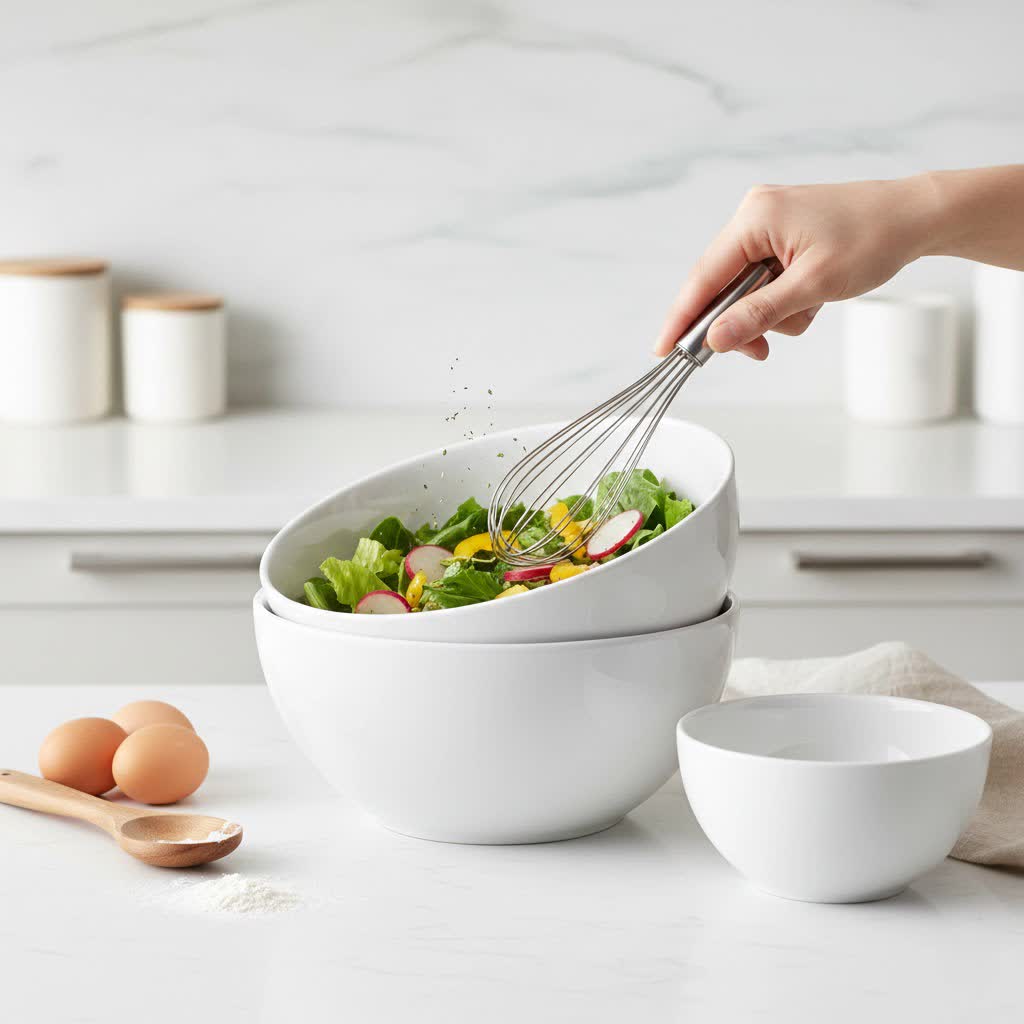
For those who prefer the meditative rhythm of hand whisking, control is your superpower. Use a vigorous, circular motion, ensuring your whisk is constantly in contact with the cream to incorporate air. A clever trick for hand whisking, particularly with smaller amounts of cream, is to tilt the bowl. [cite: 5 (search result 1)] This creates a deeper pool of cream for your whisk to work in, allowing for better aeration and reducing the surface area from which splatters can escape.
Strategic Whisking for Optimal Results
Regardless of your tool, aim to keep your whisk or beaters submerged in the cream as much as possible. For electric mixers, if you notice liquid accumulating on the sides, pause briefly, scrape it down, and then resume. When using an immersion blender with a whisk attachment in a tall container, move the whisk along the edge of the container in the opposite direction of the whisk’s rotation to maximize aeration and minimize mess. [cite: 4 (search result 3)] This ensures even whipping and keeps the cream contained.
Advanced Tips and Clever Hacks
Sometimes, even with the best technique, a little extra help can go a long way. These ingenious solutions offer additional layers of protection against splatter and enhance your overall whisking experience.
Homemade Splatter Guards: Paper Plates and Tea Towels
Don’t have a fancy splatter guard? No problem! Simple household items can come to the rescue. For electric hand mixers, a paper plate is a fantastic hack. Pierce two holes through the center of a paper plate, feed your beaters through, and attach them to the mixer. The plate then acts as a temporary lid, resting on the rim of your bowl and shielding your kitchen from rogue cream droplets. [cite: 2, 3, 5 (search result 4)] Alternatively, a sheet of wax paper can be used in a similar fashion, placed between the mixer body and the beaters. [cite: 1 (search result 4)]
For stand mixers, a clean kitchen towel or tea towel draped over the mixer head and bowl acts as an effective, low-tech splatter guard. [cite: 1 (search result 4)] Ensure it’s not so loose that it can get caught in the whisk, but snug enough to contain splashes. These simple yet effective methods prove that you don’t need specialized equipment to keep your kitchen clean.
The Benefits of a Whipped Cream Dispenser
If you’re a true whipped cream aficionado and regularly find yourself battling splatter, a whipped cream dispenser might be a worthwhile investment. These devices use nitrous oxide cartridges to whip cream on demand, yielding perfectly textured whipped cream with absolutely no mess. They offer convenience, consistency, and a completely splatter-free experience, storing the whipped cream ready for use in the fridge.
Comparison of Bowl Materials for Whisking Cream
Understanding how different bowl materials perform is crucial for achieving consistent, splatter-free whipped cream.
| Feature | Stainless Steel Bowl | Glass Bowl | Plastic Bowl | Ceramic Bowl |
|---|---|---|---|---|
| Thermal Retention | Excellent (chills quickly, stays cold) [cite: 2, 3 (search result 3)] | Good (retains cold once chilled) [cite: 3 (search result 3)] | Poor (absorbs warmth, hard to chill) [cite: 2 (search result 3)] | Good (good temperature stability) [cite: 3 (search result 3)] |
| Durability | Very High (lightweight, durable) [cite: 3 (search result 3)] | Moderate (prone to breaking/chipping) | Low (can scratch, stain, or degrade) | Moderate (prone to chipping) |
| Visibility | Low | Excellent (monitor consistency) [cite: 3 (search result 3)] | Low | Low |
| Non-Reactive | Yes (ideal for cream) [cite: 2 (search result 3)] | Yes | Can be (avoid BPA) | Yes |
| Cleaning | Easy | Easy | Can stain/retain odors | Easy |
> “The secret to perfectly whipped cream begins before you even touch a whisk. Chilling your bowl and cream is non-negotiable; it’s the foundation for stability and a splatter-free zone.” – Chef Antoine Dubois, Culinary Instructor & Dessert Specialist
Conclusion
Whisking cream without splattering everywhere might seem like a daunting task, but with the right knowledge and a few clever techniques, it’s entirely achievable. By prioritizing chilled ingredients and equipment, selecting a deep, suitable mixing bowl, starting your mixer on a low speed, and employing simple splatter guards like a paper plate or a kitchen towel, you can transform your whipping experience. Remember, consistency in preparation and a mindful approach to technique are your greatest allies. Embrace these tips, and you’ll soon be enjoying beautifully whipped cream and a sparkling clean kitchen. What’s your favorite dessert to top with homemade whipped cream?
Frequently Asked Questions
Why does my cream splatter so much when I start whisking?
Cream splatters most during the initial stages because it’s still very thin and liquid. Rapid whisking, especially at high speeds, creates centrifugal force that flings droplets outwards. Starting at a very low speed allows the cream to gradually thicken, reducing this initial mess.
How full should my bowl be when whipping cream to avoid splatter?
For optimal splatter prevention, your bowl should ideally be no more than one-third to one-half full with liquid cream. This provides ample room for the cream to expand as it whips and ensures the beaters are fully submerged without the cream overflowing or splattering excessively.
Can I use a regular mixing bowl instead of a special whipping bowl?
Absolutely! While deep, narrow bowls are ideal for minimizing splatter, a standard large, deep mixing bowl will work perfectly. The key is its depth and size relative to the amount of cream, offering high sides to contain splashes. Stainless steel bowls are preferred for their chilling properties.
Is it better to hand whisk or use an electric mixer for less splatter?
Both methods can be splatter-free with the right technique. Hand whisking offers more control, allowing you to gauge the speed and motion precisely. Electric mixers are faster but require diligent adherence to starting on a low speed and gradually increasing to prevent initial splashing.
What’s the best way to clean up cream splatter if it does happen?
For fresh cream splatters, a damp cloth or sponge is usually sufficient. If the cream has dried, a warm, damp cloth followed by a gentle wipe should remove it. For sticky residues, a mild soap solution can be used. Prompt cleanup is always best to prevent drying and stubborn stains.
Does adding sugar affect splattering when whipping cream?
Adding sugar, particularly powdered sugar, can slightly help in the very initial stages by increasing the liquid’s density, but its primary role is flavor and stabilization. For best splatter prevention, focus on chilling, bowl choice, and whisking speed, and add sugar once the cream begins to thicken.
Can a kitchen towel really prevent splatter from a stand mixer?
Yes, a clean kitchen towel draped over the top of your stand mixer bowl during the initial whisking stages can significantly reduce splatter. It acts as a physical barrier, catching airborne droplets. Just ensure it’s positioned securely to prevent it from getting caught in the moving whisk.