Many home cooks inevitably face the dilemma of what to do with a broken or worn-out plastic mixing bowl. Unlike many other kitchen items, plastic often presents a complex challenge when it comes to proper disposal and recycling. Understanding the nuances of plastic types and local recycling regulations is key to making environmentally responsible choices. This article will guide you through the process, from deciphering recycling codes to exploring creative reuse options, ensuring your old plastic bowls don’t simply end up in a landfill.
Understanding Plastic Recycling Codes
Before deciding on the fate of your broken plastic mixing bowl, it’s essential to understand the universal recycling codes. These symbols, typically found as a triangle of chasing arrows with a number in the center, indicate the type of plastic resin the item is made from. While the chasing arrows might suggest recyclability, the number itself is the critical piece of information.
Plastics numbered 1 (PET/PETE), 2 (HDPE), and 5 (PP) are generally the most widely accepted in municipal recycling programs. These types are commonly used in water bottles, milk jugs, and yogurt containers, respectively. Plastics labeled 3 (PVC), 6 (PS/Polystyrene), and 7 (Other) are often more challenging to recycle through standard curbside collections due to their chemical composition or the difficulty and cost involved in processing them. Many plastic mixing bowls are made from polypropylene (PP, code #5), which is increasingly recyclable, or sometimes from other mixed plastics (code #7). Always remember that local recycling rules can vary significantly, so checking with your municipality’s specific guidelines is paramount.
Why Broken Plastic Bowls Are Often Not Recyclable
Even if your plastic mixing bowl is made from a generally recyclable type of plastic, its broken state can complicate matters significantly. Recycling facilities are designed to process intact items of specific shapes and sizes. A broken bowl, especially if it has sharp edges, can pose a safety hazard to sanitation workers during collection and sorting processes.
Furthermore, damaged plastic, particularly if it’s heavily scratched or cracked, can compromise the integrity of the recycled material. Over time, scratches create microscopic crevices where food particles, detergents, and bacteria can accumulate. These areas are incredibly difficult to clean thoroughly, even with hot water and soap. Beyond hygiene, some research suggests that scratched plastics can be more prone to leaching chemicals into food, especially with repeated use, heating, or vigorous scrubbing. For these reasons, many recycling programs advise disposing of broken crockery, including plastic, in general waste.
Responsible Disposal Options for Broken Plastic Mixing Bowls
When recycling is not a viable option for your broken plastic mixing bowl, responsible disposal becomes crucial.
General Waste Disposal
Table is empty.For plastic bowls that are severely broken, heavily stained, or made from non-recyclable plastic types (like #3, #6, or #7), the most common and often only option is to place them in your general waste bin. To ensure safety for waste handlers, it is advisable to wrap any sharp or jagged edges with newspaper or place them in a small plastic bag before discarding. This simple step can prevent injuries during waste collection and processing. While it might feel counterintuitive to send plastic to a landfill, for certain types of broken plastic, it is the safest and most practical solution.
Specialized Recycling Programs
While less common for everyday mixing bowls, some “hard-to-recycle” plastics may be accepted through specialized programs. These can include mail-back services, community drop-off points for specific plastic types, or initiatives by certain brands. These programs typically target plastics that traditional municipal recycling centers cannot process. If your bowl is made from a plastic type that’s not curbside recyclable, a quick online search for “specialized plastic recycling [your area]” might reveal alternative solutions.
Creative Reuse and Upcycling Ideas
Before resorting to disposal, consider giving your old plastic mixing bowls a new life through creative reuse or upcycling. This not only extends their utility but also reduces waste.
- Planters: A durable plastic mixing bowl can be transformed into an excellent planter for herbs or flowers. Simply drill a few drainage holes in the bottom, add some gravel or a coffee filter, and then fill with soil. It’s an easy way to brighten up your kitchen or patio.
- Storage and Organization: Old plastic bowls are perfect for organizing various items around the house. Use them in the garage for nuts, bolts, or small tools, in a craft room for beads or art supplies, or in a playroom for building blocks. They can also serve as catch-all containers for keys and mail near the entryway.
- Pet Food and Water Dishes: If the bowl is still structurally sound and easily cleaned, it can become a designated dish for your pets, especially for outdoor use where a sturdy, less precious bowl is beneficial.
- Kids’ Craft Projects: With some paint, glue, and imagination, old plastic bowls can become bases for creative projects like papier-mâché, decorative centerpieces, or even components in larger DIY constructions.
- Compost Pail Liner: A clean, intact plastic mixing bowl can serve as a convenient liner for a small countertop compost pail, making it easier to collect food scraps before transferring them to a larger compost bin.
“Giving an old item a new purpose not only reduces waste but also sparks creativity, transforming something overlooked into a functional or decorative piece.” – Jane Doe, Environmental Sustainability Advocate
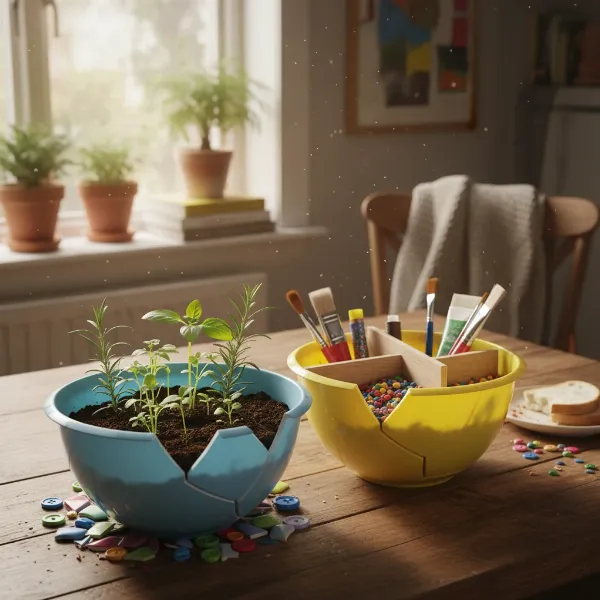 Creative ways to upcycle an old plastic plastic mixing bowl into a planter or storage container
When to Consider Replacing vs. Repairing/Keeping
Deciding when to replace a plastic mixing bowl versus attempting to repair or keep it for alternative uses often comes down to safety and practicality. For bowls used with food, any significant damage, deep scratches, or discoloration indicates it’s time to retire them from culinary tasks. As mentioned, scratched surfaces can harbor bacteria and potentially leach chemicals, which poses a food safety risk. Prioritizing safety means replacing food-contact items when their integrity is compromised.
For non-food uses, a broken bowl might still be perfectly functional. A crack that doesn’t affect its ability to hold non-liquid items or a missing piece that doesn’t compromise its structure for a planter could mean extended life. When purchasing new mixing bowls, consider durable alternatives like stainless steel or glass, which have longer lifespans and are generally more widely recyclable or less problematic to dispose of at their end of life. Investing in quality, long-lasting items reduces the frequency of disposal dilemmas.
Conclusion
Navigating the disposal of broken plastic mixing bowls requires a thoughtful approach. While the ideal scenario of recycling isn’t always feasible for damaged plastic, understanding recycling codes, recognizing local regulations, and exploring creative reuse options empowers you to make environmentally conscious decisions. From repurposing them as household organizers to knowing when to responsibly discard them in general waste, every action contributes to reducing landfill burden and promoting a more sustainable kitchen. What creative new life will you give your old plastic mixing bowls?
Frequently Asked Questions
Can you recycle all plastic bowls?
No, not all plastic bowls are recyclable through standard curbside programs. Recyclability depends on the type of plastic (identified by the recycling code number, usually 1-7) and your local municipality’s specific rules. Plastics with codes #2 (HDPE) and #5 (PP) are most commonly accepted, while #3, #6, and #7 are often not.
What do plastic recycling symbols mean?
Plastic recycling symbols are chasing arrows triangles with a number inside, indicating the type of plastic resin. Numbers 1 through 7 each represent a different plastic polymer, with lower numbers generally being more widely recyclable than higher ones. Always consult local guidelines as the symbol doesn’t guarantee acceptance in your area.
Is it safe to use scratched plastic bowls for food?
It is generally not recommended to use scratched plastic bowls for food. Scratches create small crevices where bacteria can thrive and are difficult to clean. Additionally, damaged plastic may be more prone to leaching chemicals into food, especially when exposed to heat or abrasive cleaning, posing a potential health risk.
What are alternatives to plastic mixing bowls?
Excellent alternatives to plastic mixing bowls include stainless steel, glass, and ceramic bowls. These materials are generally more durable, less likely to scratch, and do not pose the same chemical leaching concerns as some plastics. Stainless steel is lightweight and robust, while glass and ceramic are non-reactive and aesthetically pleasing.