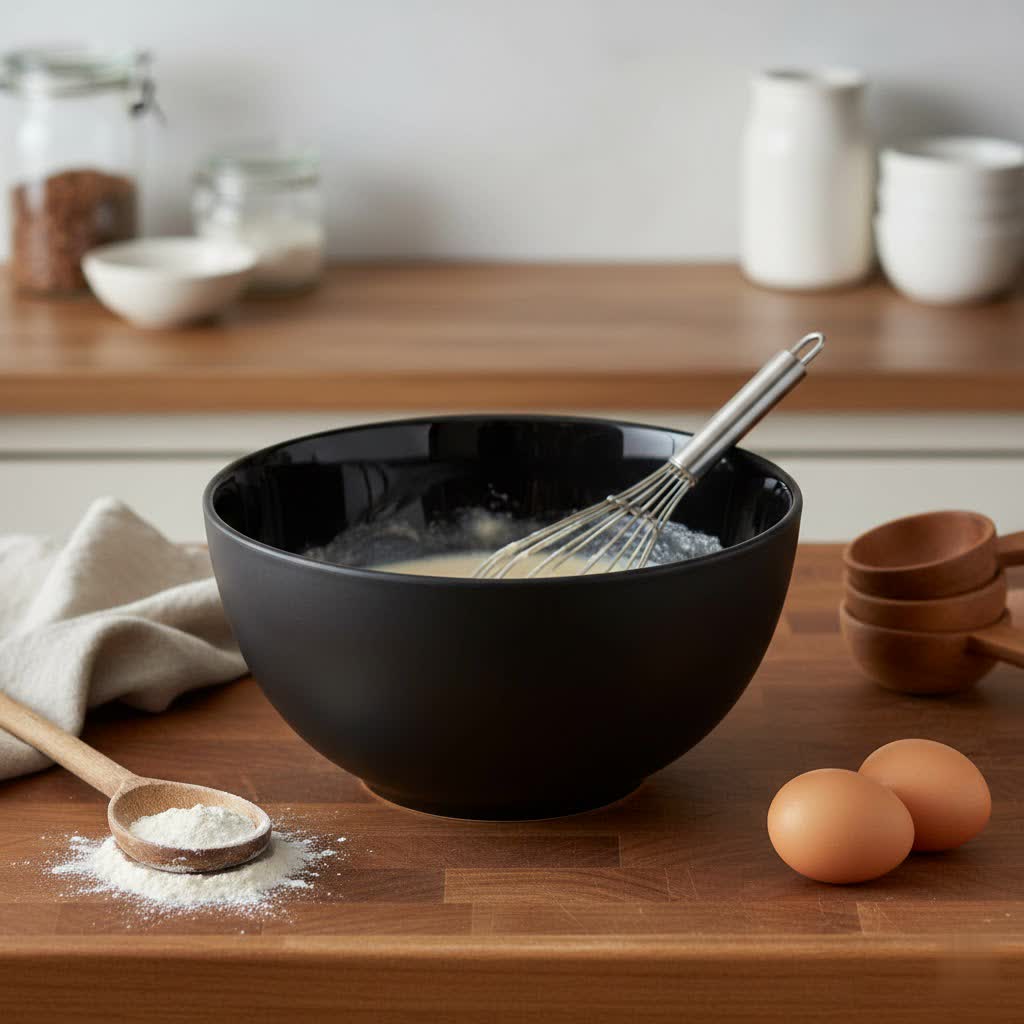
If you’ve ever found yourself juggling multiple kitchen tasks in a compact space, you know the struggle of overflowing cabinets and limited counter real estate. For home cooks and bakers in smaller kitchens, every inch counts, making smart storage solutions an absolute game-changer. That’s where nesting mixing bowl sets come into their own, offering a clever blend of utility and space-saving design. These ingenious sets provide a range of bowl sizes that neatly tuck inside one another, transforming clutter into order.
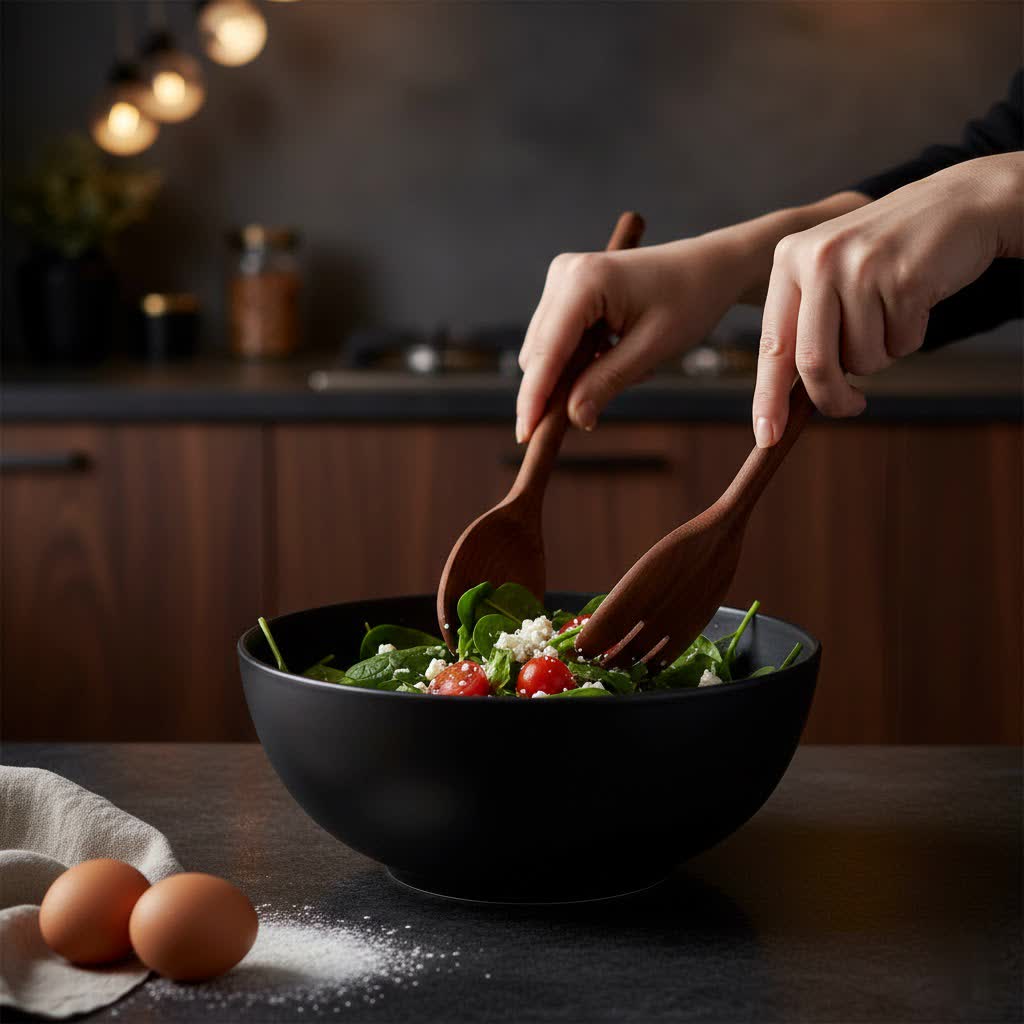
Choosing the perfect set for your culinary adventures, especially in 2026, involves understanding the diverse materials, essential features, and how they cater to your specific cooking style. This comprehensive guide will navigate you through the world of nesting mixing bowls, helping you discover the ideal companions that bring efficiency and joy back into your small kitchen.
Understanding the Value of Nesting Mixing Bowl Sets for Small Kitchens
In a small kitchen, efficient organization isn’t just a preference; it’s a necessity. Nesting mixing bowl sets are specifically designed with this in mind, offering a multifaceted approach to maximizing your available space. Instead of a jumble of individual bowls that take up excessive room, a nesting set consolidates multiple sizes into a single, compact unit. This design philosophy directly addresses the common challenges faced by those with limited storage, such as apartment dwellers or minimalist homeowners.
Beyond mere storage, these sets enhance kitchen efficiency by providing a variety of bowl capacities readily accessible for any task, from whisking a single egg to preparing a large batch of cookie dough. Their stackable nature means you can store an entire collection of essential mixing tools in the footprint of just one large bowl, freeing up valuable cabinet or pantry space for other culinary essentials. It’s a smart investment for anyone looking to streamline their kitchen and make cooking a more organized and enjoyable experience.
Popular Materials for Nesting Mixing Bowls: Pros and Cons for Small Kitchens
The material of your mixing bowls significantly impacts their performance, durability, and suitability for a small kitchen environment. Each type offers a unique set of advantages and disadvantages.
Stainless Steel Mixing Bowls
Stainless steel bowls are a popular choice due to their robust nature and versatility. They are known for their exceptional durability, capable of withstanding the rigors of daily use without chipping or breaking. Being relatively lightweight, they are easy to handle, a significant plus in busy kitchens. Stainless steel is also non-reactive, meaning it won’t impart flavors or odors to your food, nor will it react with acidic ingredients, preserving the integrity of your recipes [1, 2 in second search result]. They are excellent for tasks involving temperature extremes, such as chilling ingredients or creating a double boiler for melting chocolate. However, stainless steel bowls are not microwave-safe, which can be a minor inconvenience for some. They can also be prone to scratching if metal utensils are used vigorously, and some users find them noisy during mixing.
- Pros: Highly durable, lightweight, non-reactive, resistant to odors and stains, good for temperature changes, easy to clean.
- Cons: Not microwave-safe, can be noisy, susceptible to scratching.
- Best for: Heavy-duty mixing, baking, whisking, food prep, and making sauces over heat.
Glass Mixing Bowls
Glass mixing bowls offer an appealing aesthetic and practical transparency, allowing you to easily monitor the mixing process [3 in second search result]. They are non-reactive, making them safe for all food types, and most are microwave-safe, adding to their convenience for heating or melting ingredients. Glass bowls can also double as attractive serving dishes, reducing the need for extra serveware. However, their primary drawback is their weight; glass bowls are generally heavier than their stainless steel or plastic counterparts, which can be cumbersome in a small kitchen. They are also more fragile and susceptible to breaking or chipping if dropped or exposed to sudden temperature changes [2 in second search result].
- Pros: Aesthetically pleasing, non-reactive, microwave-safe, transparent for easy monitoring, versatile for serving.
- Cons: Heavy, prone to breakage, sensitive to thermal shock.
- Best for: Microwave use, melting ingredients, visual cooking tasks, and elegant serving.
Plastic Mixing Bowls
Plastic mixing bowls are often the most budget-friendly and lightweight option. Their durability against drops makes them a practical choice, especially in households with children. They come in a vast array of colors, adding a cheerful touch to any kitchen. However, plastic bowls can absorb odors and flavors over time, particularly from strong-smelling foods like garlic or onions, and may retain grease [1, 2 in second search result]. They are also prone to staining from ingredients like tomato sauce and can scratch easily, potentially harboring bacteria. When choosing plastic, it’s crucial to ensure they are BPA-free for food safety.
- Pros: Very lightweight, affordable, impact-resistant, wide range of colors.
- Cons: Can stain, absorb odors/flavors, scratch easily, may contain BPA, not always microwave-safe.
- Best for: Light everyday mixing, budget-conscious buyers, and households where drop-resistance is key.
Ceramic Mixing Bowls
Ceramic mixing bowls bring a touch of classic charm and substantial weight to the kitchen. They excel at retaining temperature, making them ideal for tasks like proofing dough or keeping dishes warm or cool. Their often artistic designs also make them perfect for serving straight from the kitchen to the table. The main drawbacks include their heavy weight and susceptibility to chipping or breaking if handled roughly. While beautiful, their rigidity sometimes means they don’t nest as compactly as other materials, which is a consideration for small kitchens.
- Pros: Excellent heat retention, aesthetically pleasing, suitable for oven-to-table serving.
- Cons: Heavy, prone to chipping/breaking, may not nest as tightly.
- Best for: Dough proofing, hot or cold food presentation, and those prioritizing aesthetics.
Bảng So Sánh Các Loại Tô Trộn
| Tính năng | Tô Thủy Tinh | Tô Inox | Tô Nhựa | Tô Gốm Sứ |
|---|---|---|---|---|
| Độ bền | Trung bình | Cao | Thấp | Trung bình |
| Trọng lượng | Nặng | Nhẹ | Nhẹ | Nặng |
| Giá cả | Trung bình | Trung bình | Rẻ | Cao |
| Vệ sinh | Dễ | Dễ | Trung bình | Dễ |
| An toàn | Cao | Cao | Tùy loại nhựa | Cao |
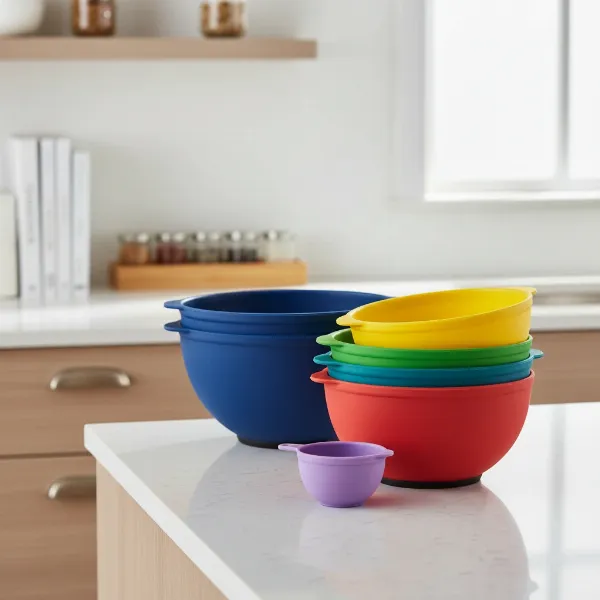 A set of colorful nesting mixing bowls neatly stacked in a small, organized kitchen cabinet or counter space.
Key Features to Look for in a Nesting Mixing Bowl Set
Beyond material, several features can elevate a good nesting mixing bowl set to an essential tool for your small kitchen. These thoughtful design elements contribute to both functionality and user convenience.
Optimal Sizes & Quantity
For a small kitchen, versatility is paramount. Look for a set that includes a range of sizes, typically from a small 0.5-quart bowl perfect for whisking a single egg or a quick dressing, up to a generous 5-quart or larger bowl for bread dough, family-sized salads, or marinating [3 in third search result]. A set of three to five bowls usually suffices for most households, offering enough variety without excessive bulk. More extensive sets, especially those with many small accessory bowls, might actually complicate storage if not carefully designed to nest seamlessly [4 in first search result].
Lids for Storage and Versatility
Airtight lids are a game-changer for nesting mixing bowls, effectively transforming them into multi-purpose storage containers [1 in first search result]. This feature is incredibly useful for preparing ingredients in advance, marinating meats overnight, or storing leftovers without needing extra containers. Lids reduce clutter, save refrigerator space, and help keep your kitchen more organized, especially in a small footprint.
Non-Slip Bases
Nothing is more frustrating than a mixing bowl that slides around the counter while you’re vigorously whisking or kneading. Many high-quality nesting sets now come equipped with non-slip silicone or rubber bases. This simple yet effective feature keeps your bowls firmly in place, providing stability and safety during use, even on slick countertops [1 in first search result]. It allows for more efficient mixing and reduces the risk of spills and messes.
Pour Spouts & Handles
These small details make a big difference in everyday use. Integrated pour spouts allow for controlled and mess-free transfer of batters, sauces, and dressings from the bowl to other containers or baking pans [1 in first search result]. Ergonomic handles or wide, flared rims offer a secure and comfortable grip, making it easier to hold and manipulate the bowls, especially when they are full or heavy [4 in third search result]. These features enhance both safety and convenience, minimizing drips and spills.
Measurement Markings
Some mixing bowls include embossed or printed measurement markings on the interior, eliminating the need for separate measuring cups for certain tasks [1 in first search result]. This can be a minor but helpful feature for quick prep, allowing you to portion ingredients directly into the bowl.
Durability & Easy Cleaning
Given the frequent use of mixing bowls, durability and ease of cleaning are crucial. Look for materials that resist warping, staining, and scratching. Most stainless steel and glass bowls are dishwasher safe, simplifying cleanup. For plastic bowls, check for BPA-free labels and ensure they are top-rack dishwasher safe to maintain their integrity.
Hướng Dẫn Chọn Mua Tô Trộn Phù Hợp
Choosing the right nesting mixing bowl set involves a thoughtful evaluation of your cooking habits, kitchen space, and personal preferences.
Xác Định Mục Đích Sử Dụng (Determine Your Purpose)
Before investing, consider your primary cooking activities. Do you mostly bake, needing sturdy bowls for dough and batters? Or do you lean towards fresh salads and quick meal prep, requiring bowls for tossing and marinating? Your main uses will guide your choice of material, size, and features. For instance, bakers often prefer stainless steel for its durability and suitability for whisking, while those who microwave frequently might opt for glass.
Chọn Kích Cỡ Phù Hợp (Choose the Right Size)
While all nesting sets save space, the actual capacity and number of bowls can vary widely. For most small households, a set with 3 to 5 bowls, ranging from approximately 1.5 quarts to 5 quarts, offers sufficient versatility without being overwhelming. If you often cook for a crowd or engage in extensive baking, a set with a larger maximum capacity (e.g., 8 quarts) might be beneficial, provided it still nests compactly.
Chất Liệu An Toàn (Safe Materials)
Food safety is paramount. Ensure that plastic bowls are explicitly labeled as BPA-free. For all materials, choose options that are non-reactive, especially if you frequently work with acidic ingredients. Stainless steel and glass are generally considered very safe and non-reactive choices for food preparation [1 in second search result].
Độ Bền Và Dễ Vệ Sinh (Durability and Easy Cleaning)
Longevity and hassle-free maintenance are key, particularly for items used daily. Stainless steel is renowned for its durability and ease of cleaning. Tempered glass also offers good durability, though it’s heavier. If choosing plastic, look for high-quality, sturdy plastic that resists staining and scratching. Dishwasher-safe options will always save you time and effort in a busy kitchen.
Thương Hiệu Uy Tín (Reputable Brands)
While specific product recommendations are outside the scope of general advice, researching brands known for quality kitchenware can provide peace of mind. Look for brands with consistently positive reviews regarding durability, functionality, and customer service. Often, well-established brands have innovated features like non-slip bases, secure lids, and ergonomic designs that enhance the user experience.
Conclusion
Navigating the world of kitchen essentials for a small space can be challenging, but a well-chosen nesting mixing bowl set truly simplifies culinary life. By carefully considering the material—whether it’s the robust versatility of stainless steel, the transparent elegance of glass, the lightweight practicality of plastic, or the rustic charm of ceramic—you can select a set that aligns with your specific needs and cooking style. Prioritizing features like airtight lids, non-slip bases, and comfortable handles further enhances functionality and ease of use, making every mixing task a pleasure rather than a chore.
Ultimately, investing in a high-quality nesting mixing bowl set for your small kitchen in 2026 is an investment in efficiency, organization, and a more enjoyable cooking experience. It’s about maximizing every inch while ensuring you have the right tools at your fingertips for every recipe. What culinary masterpieces will you create with your perfectly nested companions?
Frequently Asked Questions
Are nesting mixing bowl sets worth it for small kitchens?
Absolutely! Nesting mixing bowl sets are ideal for small kitchens as they consolidate multiple bowl sizes into a single, compact unit, significantly reducing cabinet clutter and maximizing storage efficiency. Their design ensures you have a range of sizes readily available without sacrificing precious space.
What is the most durable mixing bowl material?
Stainless steel is generally considered the most durable mixing bowl material. It resists chipping, breaking, staining, and odors, making it a long-lasting and reliable choice for heavy-duty cooking and baking tasks.
Can I put stainless steel mixing bowls in the microwave?
No, stainless steel mixing bowls should not be used in the microwave. Placing metal in a microwave can cause sparks, damage the appliance, and potentially pose a fire hazard. Always opt for glass or certain microwave-safe plastic or ceramic bowls for microwave use.
How many mixing bowls do I really need?
For most small households, a nesting set containing three to five bowls is usually sufficient. This typically provides a good range of capacities, from small bowls for eggs or dressings to larger ones for dough or salads, covering most everyday cooking and baking needs.
What features make a mixing bowl set ideal for baking?
For baking, look for nesting mixing bowl sets with features like stable, non-slip bases to prevent movement during whisking, pour spouts for mess-free batter transfer, and tight-fitting lids for dough proofing or ingredient storage. Stainless steel is often preferred for its durability and temperature versatility in baking.