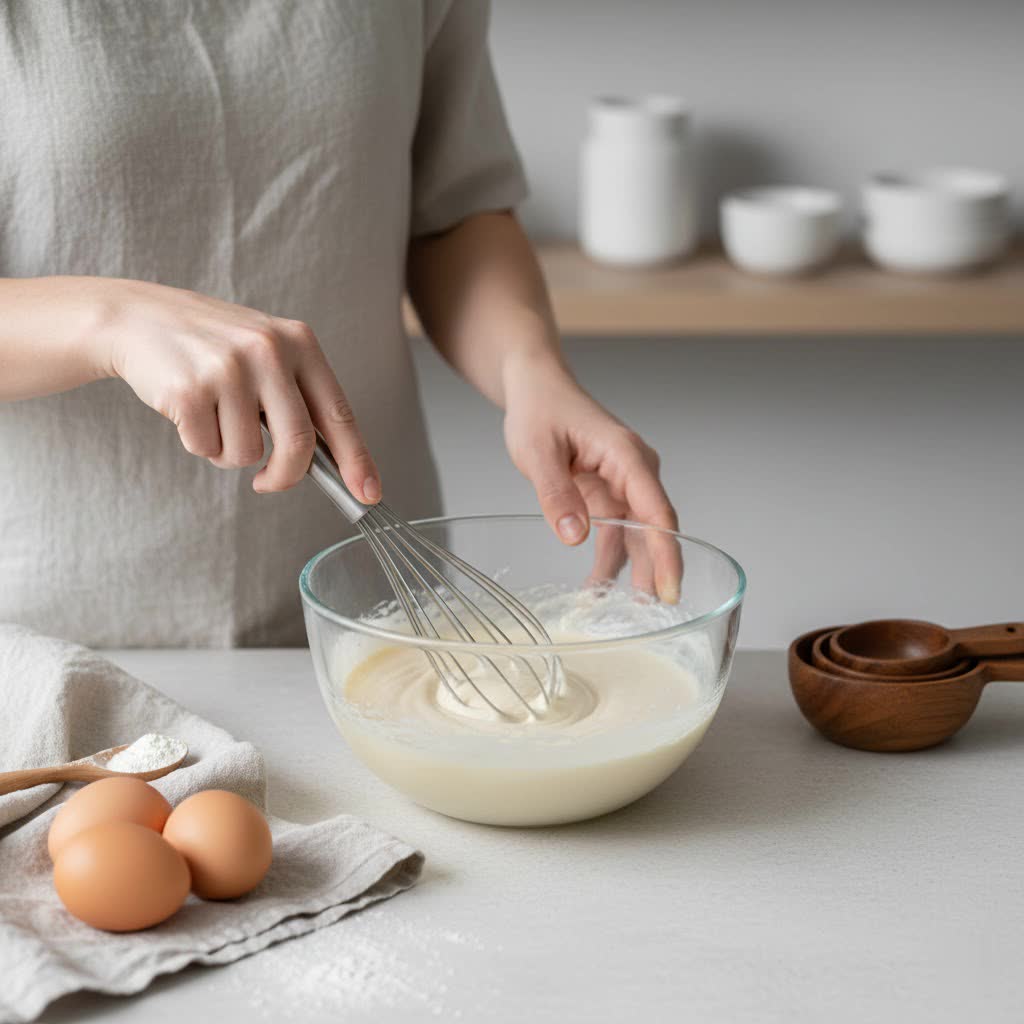
Stepping into the kitchen, whether you’re a seasoned chef or a budding home baker, often involves a dance of precision: carefully measuring ingredients, mixing, and preparing your culinary masterpieces. But let’s be honest, fumbling with separate measuring cups and bowls can quickly turn into a cluttered, time-consuming affair. Imagine a world where your mixing bowl does double duty, offering accurate measurements right where you need them. That’s the magic of mixing bowls with internal measurement marks. These clever kitchen tools are designed to streamline your prep, minimize cleanup, and ensure your recipes turn out perfectly every time.
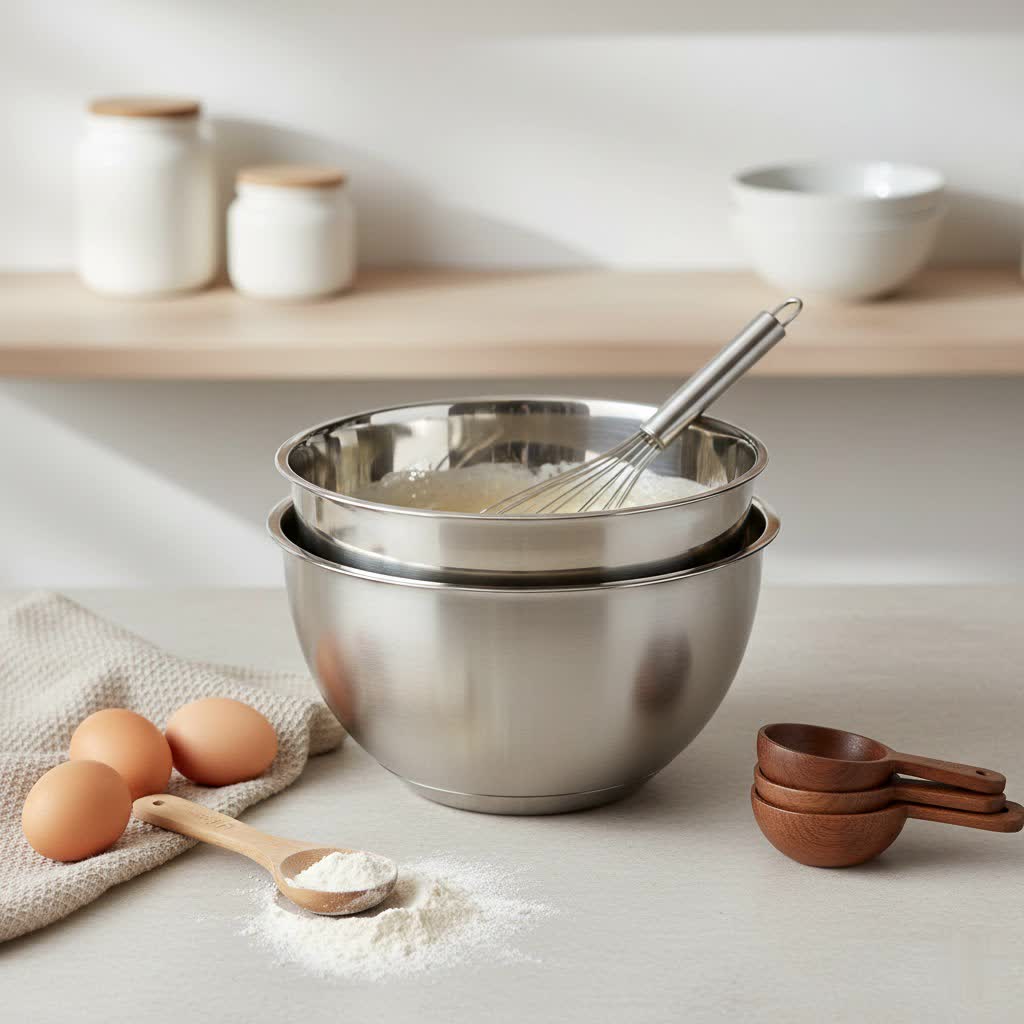
In this comprehensive guide, we’ll dive deep into the world of measured mixing bowls. We’ll explore the different materials they come in, weighing their unique advantages and disadvantages, and reveal the key features to look for when making your selection. Get ready to discover your next kitchen essential that promises to make your cooking and baking experience more efficient and enjoyable.
Popular Types of Mixing Bowls with Measurement Marks
When choosing a mixing bowl with internal measurements, the material is a crucial consideration. Each type offers distinct benefits and drawbacks that impact its performance, durability, and suitability for various kitchen tasks.
Stainless Steel Mixing Bowls with Measurement Marks
Stainless steel mixing bowls are a staple in both professional and home kitchens, largely due to their exceptional durability and versatility. When equipped with internal measurement marks, they become an even more indispensable tool.
- Advantages: These bowls are incredibly robust, resisting dents, rust, and stains, which means they can withstand vigorous mixing and last for years. Their lightweight nature makes them easy to handle, even when full. Stainless steel is non-reactive, so it won’t impart flavors or odors to your food, even with acidic ingredients. Many stainless steel sets come with non-slip silicone bases that keep the bowls stable during use, a significant plus when whisking vigorously or using a hand mixer. The internal measurement marks are often etched or embossed, making them durable and less likely to fade over time. They also excel at temperature control, making them ideal for tasks like chilling ingredients or creating a double boiler.
- Disadvantages: A notable drawback is that stainless steel bowls are not microwave-safe. They can also be quite noisy during use, especially with electric mixers. While durable, they can show fingerprints easily and may scratch if metal utensils are used carelessly.
- Best For: These bowls are perfect for heavy-duty tasks like mixing bread dough, whipping large batches of batter, preparing salads, or any recipe requiring precise volume measurements without the need for additional measuring cups.
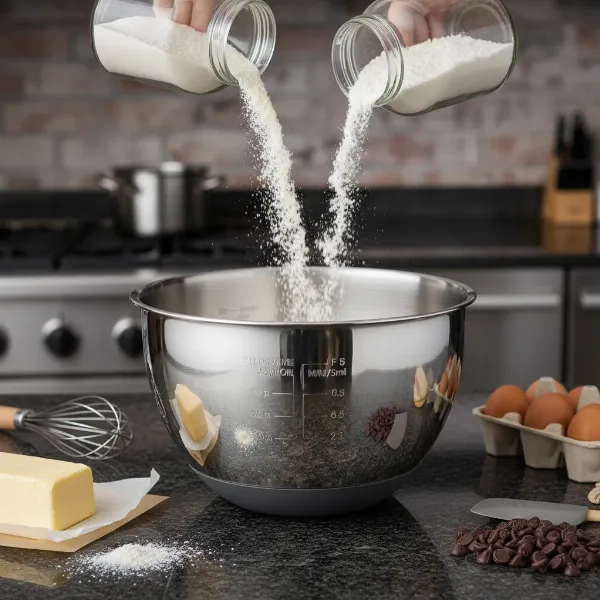 Stainless steel mixing bowl with visible internal measurement marks and a non-slip base, perfect for baking
Glass Mixing Bowls with Measurement Marks
Glass mixing bowls offer an elegant and practical solution for home cooks, especially those who appreciate visibility during their culinary process. With built-in measurements, they enhance precision and convenience.
- Advantages: The transparency of glass is its most significant advantage; you can easily monitor your ingredients as you mix, ensuring everything is thoroughly combined or that chocolate is perfectly melted. Glass is completely non-reactive and won’t absorb odors or stains. Most glass bowls, particularly those made from tempered borosilicate glass, are microwave, oven, freezer, and dishwasher safe, offering incredible versatility. Their inherent weight provides excellent stability on the countertop during mixing, often negating the need for a non-slip base. Internal measurement marks are typically molded into the glass, ensuring they are permanent and highly visible.
- Disadvantages: Glass bowls are heavier than their stainless steel or plastic counterparts, which can make them cumbersome to handle, especially when full. They are also more susceptible to breaking or chipping if dropped or subjected to sudden impacts. While stable, pouring from them can sometimes be less precise without a dedicated spout.
- Best For: Ideal for whisking eggs, melting chocolate, mixing batters where visual monitoring is key, and preparing recipes that require heating or chilling directly in the bowl. They also make attractive serving dishes.
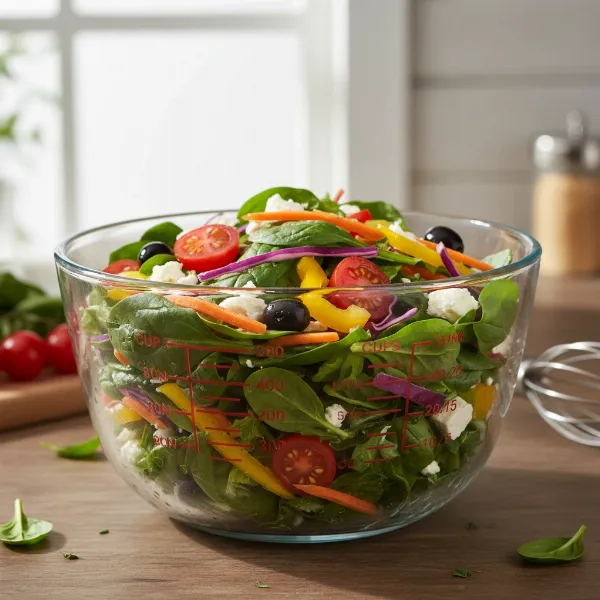 Transparent glass mixing bowl showing internal liquid measurement lines, ideal for visual cooking
Plastic Mixing Bowls with Measurement Marks
Plastic mixing bowls are often the most accessible and budget-friendly option, making them a popular choice for everyday use in many kitchens. With internal measurement marks, they add an extra layer of practicality.
- Advantages: Lightweight and easy to handle, plastic bowls are convenient for quick tasks and for those who may struggle with heavier materials. They are generally inexpensive and come in a wide array of colors and designs. Many are dishwasher safe, simplifying cleanup. Modern plastic bowls are often designed to be durable and resistant to minor drops. The measurement marks are usually printed or molded, with higher-quality options featuring more durable, fade-resistant markings.
- Disadvantages: Plastic can be prone to staining, especially with brightly colored ingredients like tomato sauce or turmeric. Some plastics can absorb odors over time. It’s crucial to check if a plastic bowl is BPA-free and microwave-safe, as not all plastics are. Also, some plastic bowls may scratch more easily than other materials, and fats can cling to them, making tasks like whipping egg whites to stiff peaks more challenging.
- Best For: Everyday mixing tasks, preparing dry ingredients, light batters, children’s cooking activities, and situations where affordability and light weight are priorities.
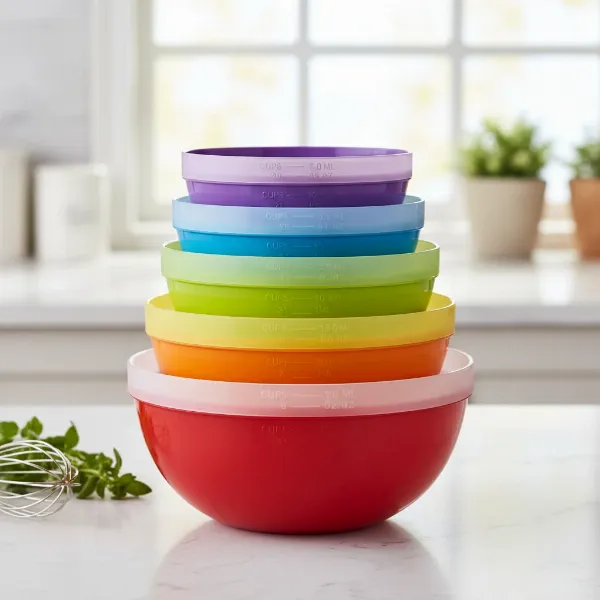 Colorful plastic mixing bowl set with internal measurement markings for everyday use
Ceramic Mixing Bowls with Measurement Marks
Ceramic mixing bowls bring a touch of classic elegance and robust functionality to the kitchen. While less common with internal measurement marks, some specialized versions combine beauty with utility.
- Advantages: Ceramic bowls are aesthetically pleasing and can seamlessly transition from prep to table as attractive serving dishes. They retain heat exceptionally well, making them excellent for proofing dough or keeping food warm. High-quality ceramic bowls are often scratch- and stain-resistant. When they do feature internal measurements, these are typically molded or glazed, ensuring long-lasting visibility.
- Disadvantages: Similar to glass, ceramic bowls are heavy and can be quite fragile, prone to chipping or breaking if dropped. They are generally not suitable for vigorous whisking with metal tools due to the risk of chipping. The measurement markings might be less prominent or precise compared to etched stainless steel or molded glass.
- Best For: Ideal for baking tasks that benefit from stable temperatures, like yeast doughs, as well as for preparing and serving side dishes or salads. They are also cherished for their decorative appeal in the kitchen.
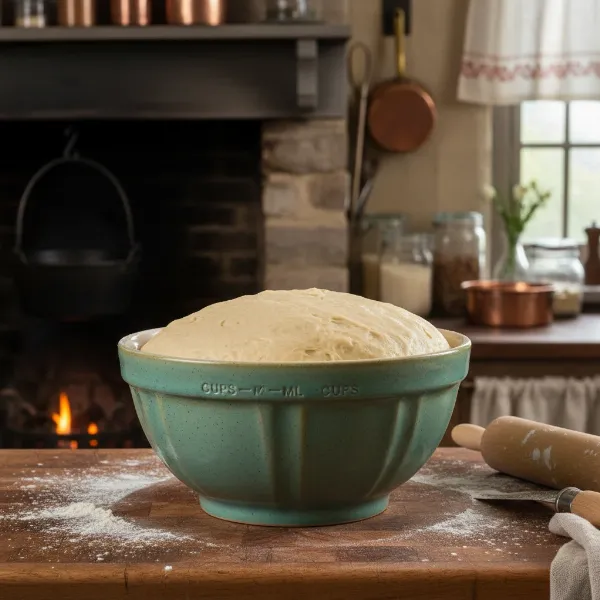 Elegant ceramic mixing bowl with subtle internal measurements, suitable for baking and serving
Comparison Table: Mixing Bowls with Internal Measurements
| Feature | Glass Mixing Bowls | Stainless Steel Mixing Bowls | Plastic Mixing Bowls | Ceramic Mixing Bowls |
|---|---|---|---|---|
| Durability | Medium (breakable) | High (dent-resistant) | Low (scratch, stain, melt) | Medium (chip, crack) |
| Weight | Heavy | Lightweight | Very Lightweight | Heavy |
| Price | Medium to High | Medium | Low | High |
| Ease of Cleaning | Easy | Easy | Medium (stains, odors) | Easy |
| Microwave Safe | Yes (most) | No | Yes (check specific type) | Yes (most) |
| Oven Safe | Yes (tempered) | No (some specialized) | No | Yes (most) |
| Dishwasher Safe | Yes | Yes | Yes (most) | Yes |
| Measurement Mark Clarity/Durability | High (molded, visible) | High (etched/embossed) | Medium (printed, can fade) | Medium (molded/glazed) |
| Non-Reactive | Yes | Yes | Yes | Yes |
| Temperature Control | Good (retains heat/cold) | Excellent (conducts/retains) | Poor | Excellent (retains heat) |
| Aesthetics | High | Medium | Medium (colorful options) | High |
How to Choose the Best Mixing Bowls with Measurement Marks
Selecting the perfect mixing bowl with internal measurements can significantly enhance your cooking and baking efficiency. Here’s what to consider to make an informed decision:
Determine Your Purpose and Frequency of Use
Before you buy, think about what you’ll primarily use the bowls for. Are you a frequent baker who needs to accurately measure flour and liquids for elaborate cakes? Or do you mostly prepare simple salads and marinades? If you often scale recipes up or down, internal measurements become incredibly valuable, saving you from constantly washing and refilling measuring cups. Identifying your primary use cases will guide your choice of material and features.
Choose the Ideal Size and Set Configuration
Mixing bowls are typically sold in sets, offering a range of sizes to accommodate various tasks. A small 1-2 quart bowl is perfect for beating a single egg, whisking dressings, or holding chopped ingredients. Medium 3-4 quart bowls are versatile for everyday cooking, like mixing cake batter or preparing family-sized salads. Large 5+ quart bowls are indispensable for kneading bread dough, mixing ingredients for large gatherings, or preparing big batches for meal prep. Consider a nesting set to save valuable cabinet space, ensuring you have the right size without clutter.
Material and Safety Considerations
The material of your mixing bowl impacts its safety and longevity. Prioritize materials that are food-grade and non-reactive. For plastic bowls, always ensure they are BPA-free to avoid potential chemical leaching into your food. Glass and stainless steel are generally excellent non-reactive choices. If you plan to microwave ingredients in your mixing bowl, glass or certain microwave-safe plastics are essential. For oven use, tempered glass or ceramic bowls are typically suitable.
Durability and Ease of Cleaning
A good mixing bowl should be built to last and easy to maintain. Stainless steel and high-quality ceramic bowls tend to be very durable, resisting scratches and dents. Glass can last a lifetime with careful handling, but plastic may show wear and tear more quickly. For cleaning, look for bowls that are dishwasher-safe. Smooth, non-porous surfaces are easier to wipe clean and less likely to harbor bacteria or absorb odors and stains.
Clarity and Permanence of Measurement Marks
This is perhaps the most critical feature for bowls with internal measurements. The marks must be clear, easy to read, and durable enough not to fade over time. Etched or embossed measurements, often found in stainless steel bowls, are generally more permanent than printed ones. For glass bowls, molded measurements are excellent. Always check reviews regarding the longevity and readability of the markings to avoid frustrating guesswork down the line.
> “The true genius of internal measurement marks lies in their ability to simplify multi-step recipes. Eliminating the constant search for separate measuring tools not only saves time but also significantly reduces kitchen clutter and cleanup.” – Chef Elena Rodriguez, Culinary Instructor and Author
Additional Features for Enhanced Convenience
Beyond the basics, several additional features can make your measured mixing bowls even more functional:
- Non-slip bases: Rubber or silicone bases prevent the bowl from sliding around on the counter during vigorous mixing.
- Lids: Airtight lids are fantastic for storing leftovers, marinating food, or proofing dough in the refrigerator.
- Pour spouts: A well-designed pour spout makes transferring batters and sauces mess-free.
- Handles: Ergonomic handles offer a comfortable and secure grip, especially useful when mixing heavy ingredients or pouring.
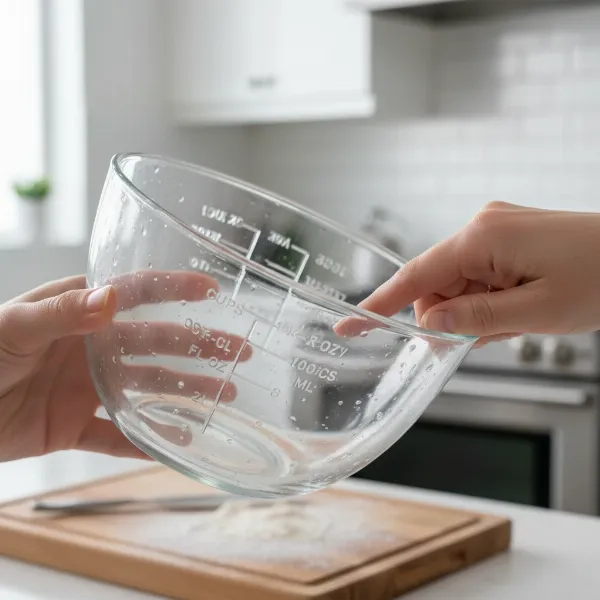 A person inspecting internal measurement marks on a mixing bowl, focusing on clarity and durability
Conclusion
Mixing bowls with internal measurement marks are more than just a kitchen gadget; they are a smart investment that elevates your cooking and baking experience. By integrating precise measurements directly into the bowl, they eliminate unnecessary steps, reduce clutter, and ensure accuracy, making your culinary journey smoother and more enjoyable. Whether you gravitate towards the robustness of stainless steel, the clarity of glass, the practicality of plastic, or the classic charm of ceramic, there’s a perfect set waiting to simplify your kitchen tasks.
Consider your personal cooking style, preferred materials, and the types of dishes you prepare most often. Look for clear, durable measurement marks, coupled with features like non-slip bases and lids for optimal functionality. With the right set of measured mixing bowls, you’ll not only save time and effort but also gain confidence in achieving perfectly proportioned and delicious results every time.
What dish will you create first with your new, perfectly measured mixing bowls?
Frequently Asked Questions
Are mixing bowls with internal measurement marks accurate enough for baking?
Yes, most high-quality mixing bowls with internal measurement marks are designed to be accurate for baking, particularly for liquid ingredients. For precise dry ingredient measurements, however, it’s often best to use a kitchen scale for ultimate accuracy, as scooping methods can vary.
Can the measurement marks fade over time?
The durability of measurement marks depends on the material and how they are applied. Etched or molded marks on stainless steel and glass bowls are generally permanent and resistant to fading, even with frequent washing. Printed marks on some plastic or lower-quality bowls may fade over extensive use or harsh dishwashing cycles.
How many mixing bowls with internal measurements do I really need?
For most home cooks, a set of three to five bowls with varying capacities (e.g., 1-quart, 2.5-quart, and 5-quart) will cover a wide range of cooking and baking needs. A nesting set is ideal for efficient storage and ensures you have the right size for any task, from small prep work to large doughs.