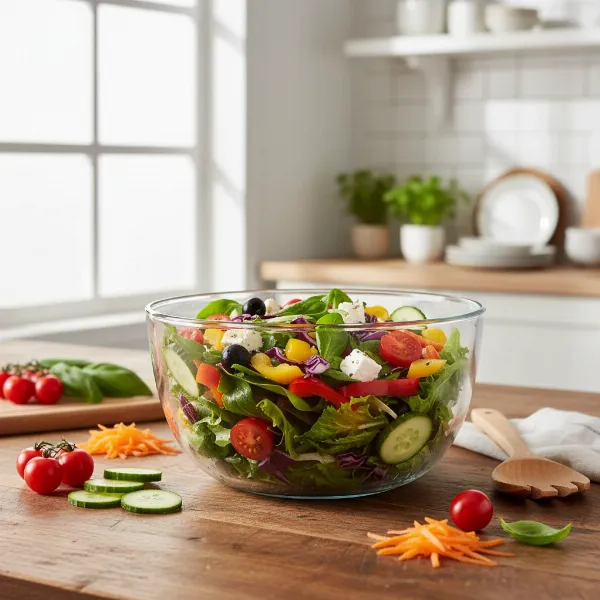
Have you ever found yourself juggling a flimsy bowl, struggling to toss a vibrant salad without half of it spilling onto your countertop? Or perhaps you’ve wished your mixing bowl was elegant enough to go straight from prep to table, seamlessly complementing your dining setup? Finding the perfect mixing bowl set, especially ones versatile enough for both spirited salad tossing and sophisticated serving, can transform your kitchen experience. This guide cuts through the clutter, offering expert insights and recommendations to help you discover the ideal companions for your culinary adventures in 2026.
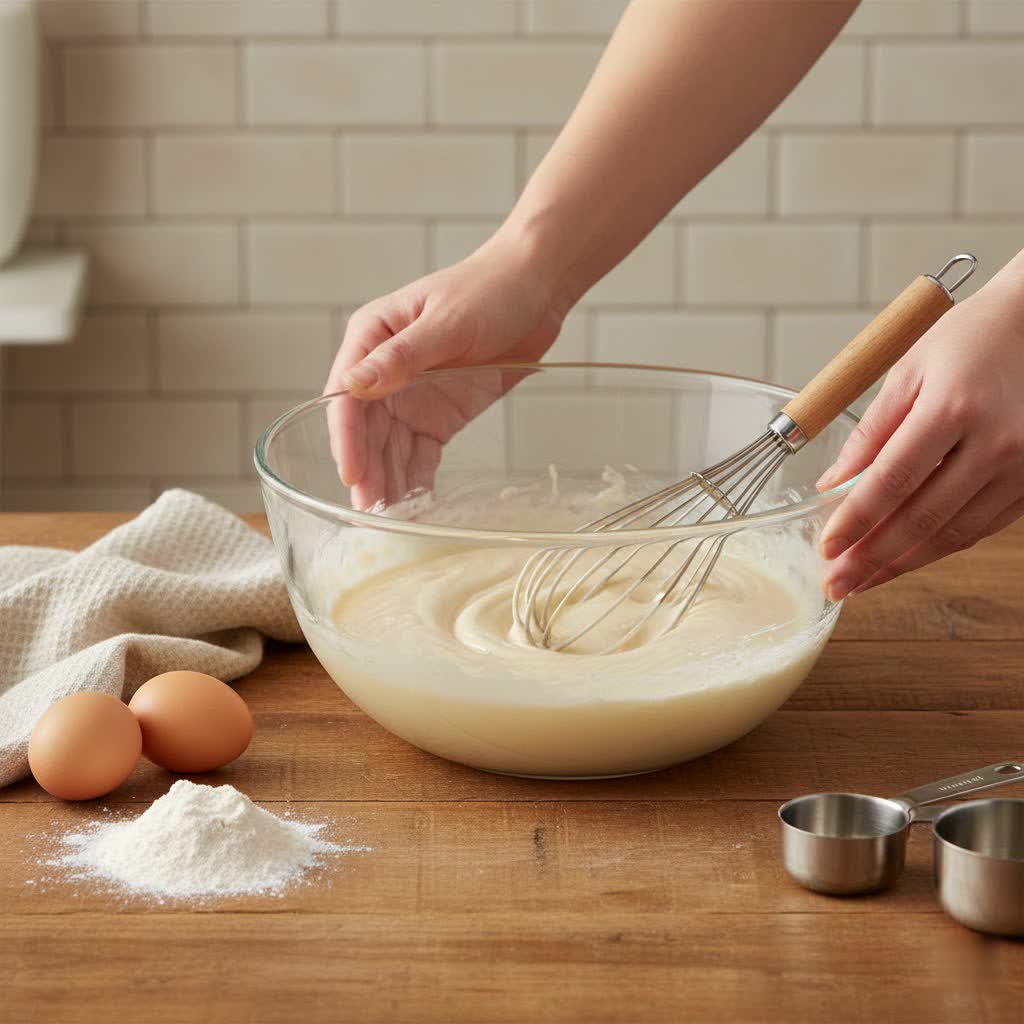
Popular Types of Mixing Bowls for Salads and Serving
The material of your mixing bowl significantly impacts its performance, durability, and suitability for various tasks, particularly for salads and serving. Each type offers distinct advantages and disadvantages that cater to different kitchen needs and aesthetic preferences. Understanding these differences is key to making an informed choice for your home.
Stainless Steel Mixing Bowls
Stainless steel mixing bowls are the undisputed workhorses of many kitchens, favored by both professional chefs and home cooks for their remarkable versatility. They are renowned for their strength and ability to withstand the rigors of daily use.
- Pros: Stainless steel is incredibly durable, resisting dents and breakage far better than glass or ceramic. It’s also surprisingly lightweight, making even large bowls easy to handle for vigorous tossing or pouring. This non-reactive material won’t impart flavors or odors to your food, making it ideal for acidic dressings or marinades. Many sets are designed to nest perfectly, saving valuable cabinet space, and most are dishwasher-safe for effortless cleanup.
- Cons: One primary drawback is that stainless steel bowls are not safe for microwave use. While generally resistant to scratches, some finishes can show signs of wear over time. Some home cooks also find their utilitarian aesthetic less appealing for direct table serving compared to glass or ceramic.
- Best for: Stainless steel bowls excel in everyday mixing, vigorous salad tossing where spillage is a concern, preparing large family-sized salads, whisking eggs, or mixing bread dough. Their robustness makes them a reliable choice for any demanding kitchen task.
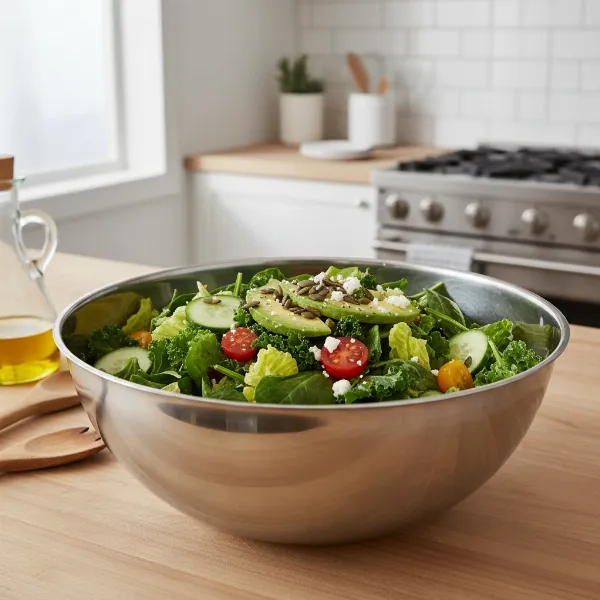 A sleek stainless steel mixing bowl filled with a vibrant green salad, ready for serving.
Glass Mixing Bowls
Glass mixing bowls bring a touch of classic elegance to the kitchen and dining table. Their transparency and aesthetic appeal make them a popular choice for both preparation and presentation.
- Pros: The most significant advantage of glass bowls is their elegant appearance, making them perfect for serving salads directly at the table. They are non-reactive, ensuring no flavors or chemicals leach into your food, and they are generally microwave-safe, allowing for reheating or melting ingredients. Their transparency also allows you to visually monitor mixing progress, which can be useful for certain recipes.
- Cons: Glass bowls are notably heavier than their stainless steel counterparts, especially in larger sizes, which can make handling more cumbersome. They are also inherently more fragile and prone to breaking or chipping if dropped or handled roughly. Their rigidity also means they don’t nest as compactly as some other materials.
- Best for: These bowls are excellent for salad presentation, microwaving ingredients, and any situation where visual appeal is as important as functionality. They are particularly suitable for smaller, delicate salads or fruit preparations that benefit from a clear view.
Plastic Mixing Bowls
Plastic mixing bowls are often the most accessible and budget-friendly option, offering a casual and practical solution for various kitchen tasks. They come in a wide array of colors and designs.
- Pros: Plastic bowls are exceptionally lightweight, making them easy to handle, even for children. They are typically very affordable and durable enough to withstand accidental drops without shattering, unlike glass. Many plastic sets are designed for compact nesting, and some come with lids for convenient storage.
- Cons: The main disadvantages include their tendency to stain, especially from colorful ingredients like beetroots or tomato sauce, and their propensity to absorb odors from strong foods. They can also scratch easily, which can harbor bacteria over time. It’s crucial to choose BPA-free plastic to ensure food safety.
- Best for: Plastic bowls are ideal for casual serving, outdoor gatherings, children’s use, and situations where affordability and lightweight portability are priorities. They are also suitable for mixing lighter ingredients or dry foods.
Ceramic Mixing Bowls
Ceramic mixing bowls offer a charming, artisanal appeal, often valued for their aesthetic qualities and ability to retain temperature. They can be a beautiful addition to any kitchen or dining spread.
- Pros: Ceramic bowls are inherently beautiful and often come in decorative designs, making them superb for stylish serving. They boast excellent heat retention, which can be beneficial for tasks like proofing bread dough or keeping warm dishes at temperature. They are also non-reactive and generally microwave-safe.
- Cons: Similar to glass, ceramic bowls are typically heavy and are susceptible to chipping, cracking, or breaking if dropped. They can also be more expensive than other materials. Their weight can make them less ideal for vigorous, fast-paced mixing.
- Best for: These bowls are best suited for stylish serving, bread proofing where consistent warmth is needed, and gentle mixing of ingredients. They are also a good choice for smaller, more delicate preparations where presentation is paramount.
Comparing Top Mixing Bowl Materials: A Quick Guide
Choosing the right mixing bowl often comes down to balancing various attributes. This table provides a quick comparison of the most popular materials, highlighting their key features for easy decision-making.
| Feature | Glass | Stainless Steel | Plastic | Ceramic |
|---|---|---|---|---|
| Durability | Medium (brittle) | High | Low (scratches) | Medium (chips) |
| Weight | Heavy | Lightweight | Very Lightweight | Heavy |
| Price | Medium | Medium | Low | High |
| Cleaning | Easy | Easy | Medium (stains) | Easy |
| Safety | High (non-reactive) | High (non-reactive) | Varies (BPA-free essential) | High (non-reactive) |
| Aesthetics for Serving | High | Medium | Low/Medium | High |
| Microwave Safe | Yes | No | Varies (check label) | Yes |
How to Choose the Perfect Mixing Bowl for Your Salads and Serving Needs
Selecting the ideal mixing bowl goes beyond mere aesthetics; it’s about matching the tool to your specific culinary habits and requirements. A thoughtful approach ensures that your bowls enhance rather than hinder your kitchen efficiency.
Determine Your Primary Use
Before anything else, consider what you’ll primarily use the bowl for. Are you a frequent baker who needs stability for dough, or do you mostly whip up vibrant salads for weeknight dinners and occasional entertaining? If your focus is daily salad preparation and serving, look for bowls with deep sides to prevent spillage during enthusiastic tossing, and an appealing design for direct table presentation. For baking, non-slip bases and heat-resistant properties might be more critical.
Select the Right Size and Capacity
Mixing bowls come in a myriad of sizes, and having a range is often more practical than a single large bowl. Smaller bowls are perfect for whisking dressings, scrambling eggs, or holding mise en place. Medium bowls are versatile for individual salads or smaller batches of batter. For family-sized salads, entertaining, or mixing large quantities of dough, a spacious 5-quart or larger bowl with high sides is indispensable to ensure ample room for tossing without overflow.
Prioritize Material and Safety
The material directly impacts safety and performance. For salads, especially those with acidic dressings, prioritizing non-reactive materials like stainless steel or glass is crucial to prevent metallic tastes or chemical leaching. If considering plastic, always ensure it is explicitly labeled as BPA-free. Evaluate your need for microwave-safe options (glass is typically best) and ensure your chosen material is suitable for the cooking methods you intend to use.
Consider Durability and Ease of Cleaning
A good mixing bowl should withstand the test of time and busy kitchen routines. Look for materials that resist chipping, cracking, or excessive scratching. Stainless steel is known for its robustness, while good quality glass offers a durable non-porous surface. Ease of cleaning is also paramount; dishwasher-safe bowls save significant time and effort, making daily cleanup a breeze. Many top-rated stainless steel bowls, for instance, maintain their shine and remain odor-free even after heavy use and multiple dishwasher cycles.
Look for Smart Design Features
Modern mixing bowls often incorporate features that significantly improve usability. Non-slip bases, frequently made from silicone or rubber, provide stability during vigorous mixing and tossing, preventing spills and frustration. Integrated pour spouts are incredibly handy for transferring liquids cleanly. Ergonomic rims or handles ensure a comfortable and secure grip, especially when handling heavy bowls or large batches. Additionally, a nesting design is a game-changer for space-conscious kitchens, allowing sets of bowls to stack neatly within each other.
Reputable Brands and Value
Investing in bowls from reputable brands often guarantees a higher standard of quality and customer satisfaction. Brands like JoyJolt, Cuisinart, OXO Good Grips, Pyrex, and FineDine are consistently well-regarded in reviews for their durable and thoughtfully designed products. While price is a factor, consider the long-term value: a slightly higher initial investment in a well-made set will often lead to years of reliable use, ultimately proving more economical than repeatedly replacing cheaper alternatives.
“A great mixing bowl for salads isn’t just about utility; it’s about elevating the entire culinary experience, from the vibrant toss to the beautiful presentation.” – Admin, reviewbn.com, Culinary Technician & Mixing Bowl Expert
Conclusion
Choosing the best mixing bowls for salads and serving in 2026 involves a thoughtful balance of material, size, functionality, and aesthetic appeal. Whether you opt for the robust versatility of stainless steel, the elegant transparency of glass, the practicality of BPA-free plastic, or the artisanal charm of ceramic, the right set can truly elevate your culinary endeavors. Prioritize deep bowls for easy tossing, non-reactive materials for fresh flavors, and designs that transition seamlessly from prep to table. By considering your primary use, preferred material, and essential features like non-slip bases and nesting capabilities, you’re well on your way to finding mixing bowls that not only perform flawlessly but also inspire joy in your kitchen. What culinary masterpiece will you create with your perfect mixing bowls?
Frequently Asked Questions About Mixing Bowls
What is the best material for a mixing bowl specifically for salads?
For salads, stainless steel and glass are generally considered the best materials due to their non-reactive properties, which prevent acidic dressings from altering flavors. Stainless steel offers durability and lightweight handling for vigorous tossing, while glass provides an elegant presentation perfect for serving directly at the table.
Can I use the same mixing bowl for both preparing and serving salads?
Absolutely! Many mixing bowls, particularly those made of glass or attractive ceramic, are designed with aesthetics in mind, making them suitable for both preparing and serving salads. Even sleek stainless steel bowls can be used for serving, especially in modern kitchen styles. Look for bowls with an appealing finish and suitable size for your table.
What size mixing bowl should I get for a family of four’s salad?
For a family of four, a mixing bowl with a capacity of 3 to 5 quarts is usually ideal for salads. This size provides ample space to toss ingredients thoroughly without spillage, ensuring all components are evenly coated with dressing. Having a set with varying sizes allows for versatility in your kitchen.
How do I prevent my mixing bowls from slipping while tossing salad?
To prevent slipping, look for mixing bowls that feature a non-slip silicone or rubber base. These bases create friction against the countertop, keeping the bowl stable during vigorous mixing or tossing. Alternatively, you can place a damp kitchen towel or a silicone mat beneath any bowl to provide extra grip and stability.
Are plastic mixing bowls safe for all types of food?
While convenient, plastic mixing bowls should always be certified BPA-free to ensure food safety, especially when used with warm or acidic foods. High-quality, BPA-free plastic bowls are safe for most general food preparation, but they can sometimes absorb odors or stains from strongly colored ingredients.
Which mixing bowls are easiest to clean?
Stainless steel and glass mixing bowls are generally the easiest to clean. Their non-porous surfaces resist staining and odor absorption, and most are conveniently dishwasher-safe. Plastic bowls can be easy to clean too, but may require more effort to remove stains or persistent odors over time.