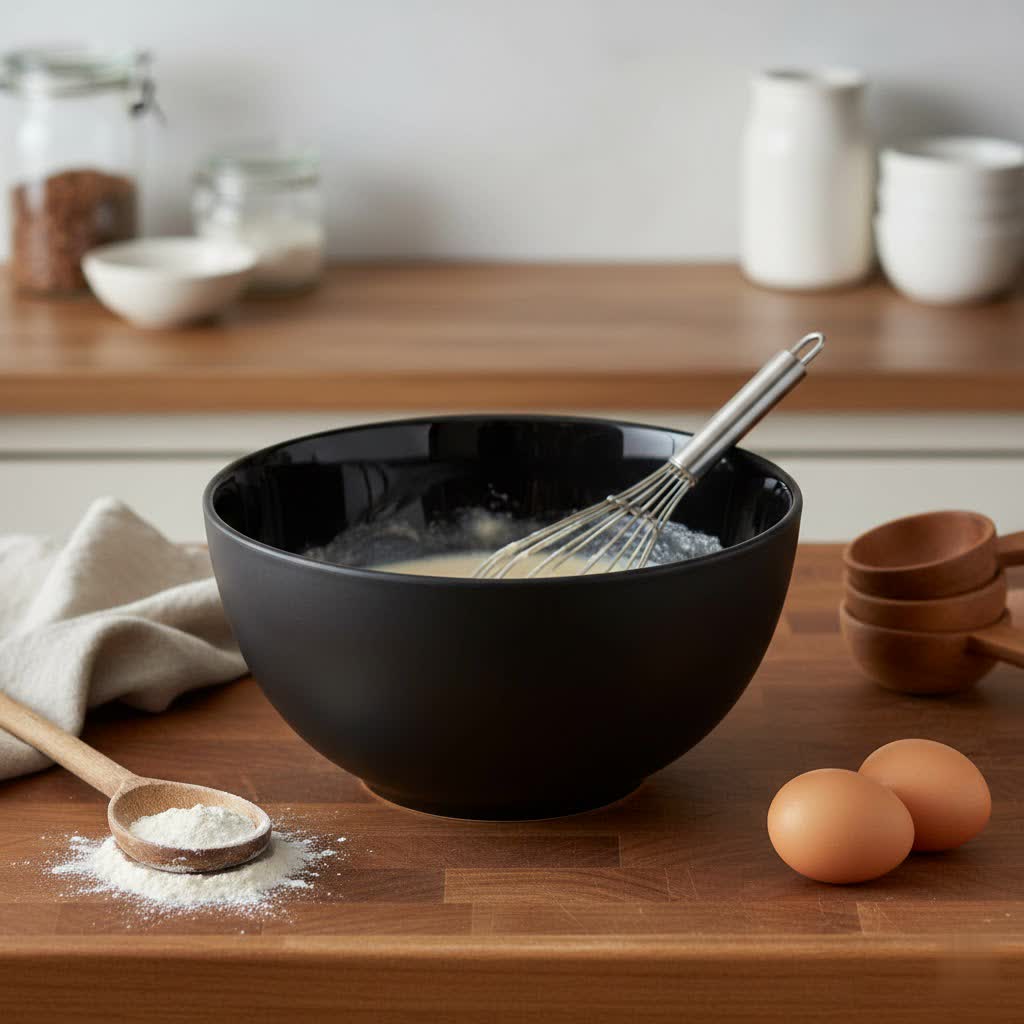
Unlocking rich, tender flavors in your meat often begins with a well-crafted marinade. Whether you’re preparing a succulent steak, zesty chicken, or savory tofu, the marinade is your secret weapon. But did you know that the bowl you choose for this crucial step can significantly impact the outcome? Selecting the wrong material can lead to off-flavors, compromised safety, or even damage to your kitchenware. To achieve perfectly marinated dishes every time, understanding which mixing bowls are truly acid-safe is essential. This guide will walk you through the best options, ensuring your culinary creations are always bursting with delicious, untainted flavor.
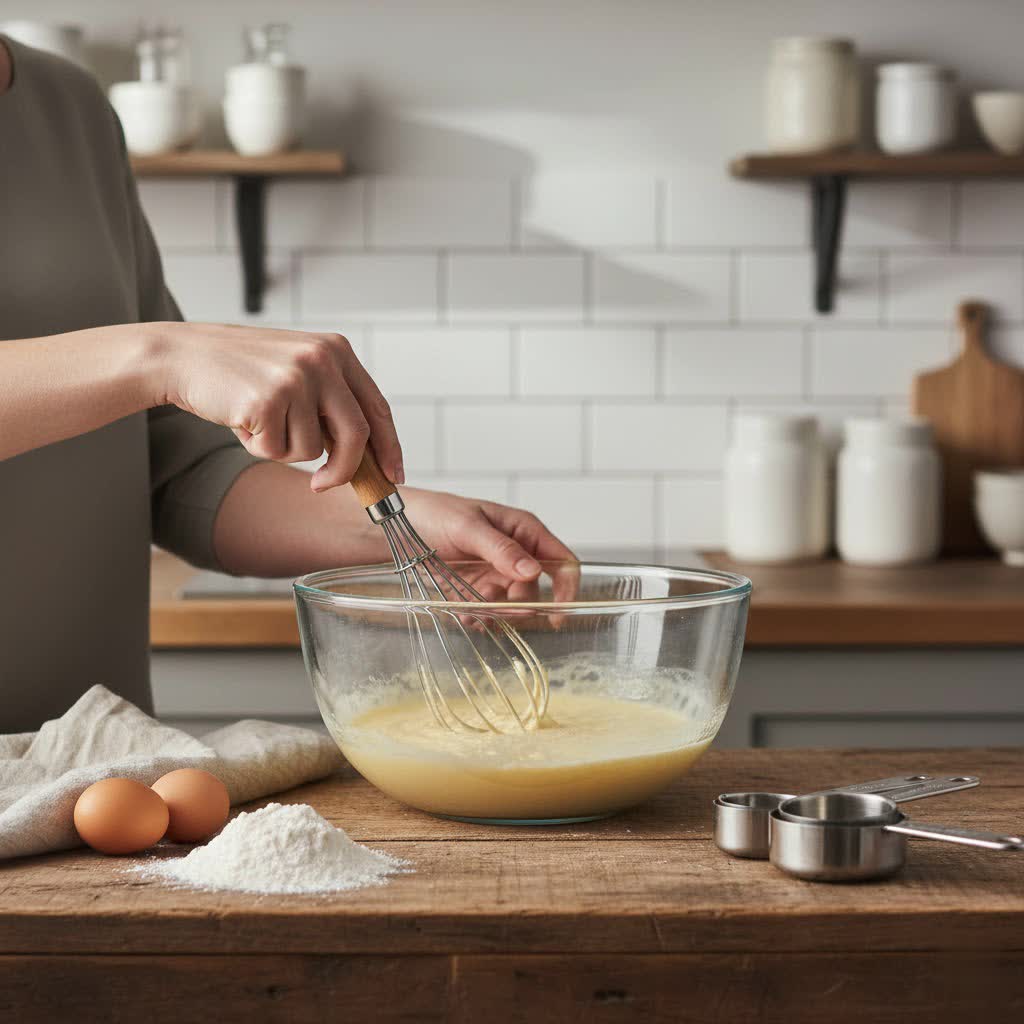
Understanding Why Your Mixing Bowl Matters for Marinating Meat
Marinating is a process that involves immersing food, typically meat, in a liquid mixture of acids, oils, herbs, and spices. The acids, such as vinegar, lemon juice, or even tomatoes, play a vital role in tenderizing the meat and infusing it with flavor. However, these acids are powerful chemical agents, and their interaction with certain materials can be problematic.
The Science of Marination and Acidity
Table is empty.Marinades work by breaking down the outer layers of protein in meat, allowing flavors to penetrate deeper and resulting in a more tender product. This chemical reaction is primarily driven by the acid content. When strong acids come into contact with reactive metals, a chemical exchange can occur. This exchange can lead to undesirable consequences, affecting both your food and your bowl.
The Dangers of Reactive Materials
Using a reactive metal bowl for marinating acidic foods can introduce a metallic taste into your meat, ruining the carefully balanced flavors of your marinade. Beyond just taste, this reaction can also cause discoloration of your food and may even corrode or pit the surface of your mixing bowl over time, rendering it unusable or unsafe. This is why choosing a non-reactive material is paramount for any marinating task.
Popular Mixing Bowl Materials and Their Suitability for Marinating
When it comes to selecting a mixing bowl for marinating, not all materials are created equal. Here’s a breakdown of common types and their acid-safe properties.
Stainless Steel Mixing Bowls
Stainless steel is a go-to for professional kitchens and home cooks alike, and for good reason. It’s renowned for its durability, lightweight nature, and versatility. Crucially for marinating, high-quality stainless steel is non-reactive, meaning it won’t interact with acidic marinades, impart unwanted flavors, or corrode.
- Pros: Highly durable, resistant to rust, lightweight, non-porous (won’t absorb odors or stains), easy to clean, versatile for various kitchen tasks.
- Cons: Not microwave-safe, can scratch some surfaces if dragged.
- Acid Safety: Excellent, provided it’s high-grade stainless steel. Lower quality stainless steel may contain other metals that can react.
- When to Choose: For frequent marinating, heavy-duty mixing, or when you need a bowl that can withstand rigorous use without worry of breakage. They are perfect for chilling ingredients too.
Glass Mixing Bowls
Classic and elegant, glass mixing bowls offer transparency, allowing you to easily monitor your marinade and food without disturbing the process. Made typically from tempered glass, they are generally robust and functional.
- Pros: Non-reactive, non-porous, aesthetically pleasing (great for serving), microwave, oven, and dishwasher safe (check specific product instructions).
- Cons: Heavier than stainless steel or plastic, prone to chipping or shattering if dropped, may not be available in very large sizes due to weight.
- Acid Safety: Excellent. Glass is inherently non-reactive with acids.
- When to Choose: Ideal if you value visibility, plan to serve directly from the bowl, or need a microwave-safe option for melting butter or warming marinades.
Plastic Mixing Bowls
Plastic bowls are a ubiquitous and affordable option in many kitchens. They are lightweight and come in a vast array of colors and sizes, offering convenience for everyday mixing tasks.
- Pros: Lightweight, inexpensive, often microwave-safe, can come with helpful features like lids or pour spouts.
- Cons: Can stain easily with certain foods (like tomato-based marinades), may absorb odors over time, susceptible to scratches, and some older plastics may contain BPA (ensure yours are BPA-free).
- Acid Safety: Generally good, as plastic is non-reactive. Always opt for food-grade, BPA-free plastic to ensure safety.
- When to Choose: For budget-conscious cooks, those prioritizing lightweight options, or if you need bowls with integrated features like airtight lids for storage and transport.
Ceramic and Porcelain Mixing Bowls
These bowls add a touch of traditional charm to your kitchen and can be quite beautiful. They are often used for baking and serving due to their appearance and heat retention properties.
- Pros: Non-reactive, attractive for serving, good for retaining heat (useful for rising dough), often oven, microwave, and dishwasher safe.
- Cons: Heavy, prone to chipping or cracking if mishandled, generally more expensive than other materials.
- Acid Safety: Excellent, as ceramic and porcelain are non-reactive. Important Note: Be cautious with older or poorly manufactured ceramic bowls, as some may contain lead in their glazes. Always ensure your ceramic bowls are food-safe and lead-free.
- When to Choose: If aesthetics are important, for tasks requiring heat retention (like proofing bread dough), or if you enjoy the substantial feel of a heavier bowl.
Materials to Avoid for Marinating
While many materials are suitable, some are best avoided for acidic marinades:
- Aluminum: This soft metal reacts strongly with acids, leading to a metallic taste, gray discoloration of food, and damage to the bowl.
- Copper: Highly reactive with acids. While prized for whipping egg whites, copper bowls will change the color and flavor of acidic marinades.
- Lower-Grade Metals: Any metal that isn’t high-quality stainless steel should be approached with caution, as it may contain reactive elements.
- Wood: Wood is porous and absorbs liquids, odors, and bacteria. It’s not suitable for wet or acidic marinades and is difficult to clean properly, making it unhygienic for raw meat.
Comparison Table: Acid-Safe Mixing Bowl Materials
| Feature | Glass | Stainless Steel | Plastic | Ceramic/Porcelain |
|---|---|---|---|---|
| Acid Safety | Excellent | Excellent | Good (BPA-free) | Excellent (Lead-free) |
| Durability | Medium (can break) | High | Medium (can scratch/stain) | Medium (can chip) |
| Weight | Heavy | Lightweight | Very Lightweight | Heavy |
| Cost | Medium | Medium | Low | High |
| Visibility | High | Low | Medium (opaque) | Low |
| Microwave Safe | Yes (tempered) | No | Yes | Yes |
| Dishwasher Safe | Yes | Yes | Yes | Yes |
| Odor/Stain Resist | High | High | Low | High |
| Serving Use | Excellent | Good | Fair | Excellent |
How to Choose the Perfect Acid-Safe Mixing Bowl for Marinating Meat
Selecting the ideal mixing bowl for your marinating needs involves considering a few key factors to ensure both safety and convenience.
Consider Your Marinating Needs
Think about the quantity of meat you typically marinate. A set of bowls in various sizes, ranging from small (1-2 quarts) for dressings to large (5-8 quarts) for whole chickens or large cuts of meat, offers maximum versatility. Deeper bowls are excellent for active mixing, minimizing splashes, while wider, shallower bowls are great for tossing salads or more delicate items.
Prioritize Material Safety and Non-Reactivity
As discussed, the material is the most critical factor. Always opt for bowls made from high-quality stainless steel, tempered glass, food-grade and BPA-free plastic, or certified lead-free ceramic. These materials guarantee that your marinade will not react adversely with the bowl, ensuring the purity of your food’s flavor and your family’s health.
Evaluate Durability and Ease of Cleaning
A durable bowl withstands the rigors of a busy kitchen, while easy cleaning saves you time and effort. Non-porous materials like stainless steel and glass resist stains and odors, making cleanup a breeze. Dishwasher-safe options are always a plus. For instance, stainless steel interiors are known to resist staining and odor absorption, even with pungent ingredients like curry or fish marinades.
Look for Helpful Features
Modern mixing bowls often come with thoughtful features that enhance functionality:
- Lids: Airtight lids are incredibly useful for covering marinating meat in the refrigerator, preventing spills and keeping odors contained. They also make transportation to potlucks or picnics much easier.
- Non-Slip Bases: A silicone or rubberized base prevents the bowl from sliding around on your counter during vigorous mixing or when kneading dough, providing stability and safety.
- Pour Spouts: These are excellent for neatly draining excess marinade or pouring liquids without creating a mess.
- Handles: Bowls with ergonomic handles provide a secure grip, especially when using a hand mixer or transferring heavy contents.
- Measurement Markings: Internal measurement lines can eliminate the need for extra measuring cups, streamlining your prep work.
> “The right mixing bowl isn’t just a container; it’s a foundational tool that protects your food’s integrity and enhances your culinary efficiency. Prioritize non-reactive materials and thoughtful features for the best marinating experience.” – Chef Alice Chen, Culinary Instructor and Kitchenware Expert
Conclusion
Choosing the best mixing bowls for marinating meat is a straightforward process once you understand the importance of material safety and non-reactivity. High-quality stainless steel, tempered glass, BPA-free plastic, and lead-free ceramic are your allies in the kitchen, ensuring your acidic marinades impart flavor, not metallic aftertastes or harmful chemicals. By considering your specific needs, prioritizing durability and ease of cleaning, and looking for convenient features, you can select the perfect set of bowls that will serve you well for years to come, consistently delivering delicious, perfectly tenderized meals.
What’s your go-to marinade, and what type of bowl do you find yourself reaching for most often?
Frequently Asked Questions
Why shouldn’t I marinate in just any metal bowl?
Many metal bowls, particularly those made from aluminum or lower-grade alloys, can react with the acids commonly found in marinades (like lemon juice or vinegar). This chemical reaction can leach metallic flavors into your food, cause discoloration, and potentially corrode the bowl itself. High-quality stainless steel is the primary exception due to its non-reactive properties.
Are all stainless steel bowls safe for marinating acidic foods?
Most modern, high-quality stainless steel bowls are considered non-reactive and safe for acidic marinades. However, extremely low-grade or older stainless steel might contain higher levels of reactive metals. It’s always best to purchase from reputable brands that specify “food-grade” or “non-reactive” stainless steel to ensure safety and prevent metallic tastes.
Can I use plastic bowls for marinating meat?
Yes, plastic bowls are generally safe for marinating meat because plastic is a non-reactive material. It’s crucial, however, to choose food-grade plastic bowls that are explicitly labeled as BPA-free to avoid potential health concerns. Keep in mind that plastic can sometimes absorb odors or stain from strong marinades over time.
How do I know if my ceramic bowl is safe for acidic marinades?
Modern ceramic and porcelain bowls are typically non-reactive and safe for marinating. The main concern with ceramic is the potential for lead in older or decorative glazes, which can leach into acidic foods. To be safe, ensure your ceramic bowls are certified food-safe and lead-free, especially if you intend to use them for cooking or storing acidic ingredients.
What are the benefits of using glass bowls for marinating?
Glass bowls are an excellent choice for marinating due to their complete non-reactivity with acids, ensuring pure food flavor. Their transparency allows you to easily see the marinating process without lifting the lid, and tempered glass is often microwave, oven, and dishwasher safe, offering great versatility from prep to serving and cleanup.