Slime making has become a beloved activity for kids, offering endless hours of creative fun and sensory play. But anyone who’s joined in on the gooey adventure knows that the right tools can make all the difference between a joyful crafting session and a sticky, frustrating mess. Finding the perfect mixing bowl for slime isn’t just about having a container; it’s about ensuring safety, easy cleanup, and a smooth, enjoyable process for little hands. This guide will walk you through the top mixing bowl options, helping you select the ideal companion for your next DIY slime project.
Common Types of Mixing Bowls for Slime
When it comes to crafting the perfect batch of slime, the material of your mixing bowl plays a crucial role. Each type offers distinct advantages and disadvantages that can impact the overall experience, especially when children are involved.
Glass Mixing Bowls
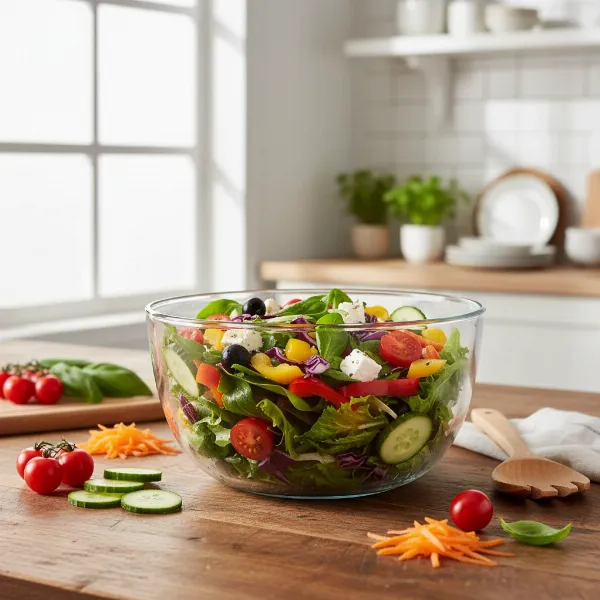
Glass bowls, often found in most kitchens, are a common choice due to their non-reactive nature and transparency. This means they won’t interact with slime ingredients, and their clear sides allow children to watch the magical transformation as ingredients combine.
- Pros: Glass is non-reactive, making it safe for all slime ingredients, and its transparency lets you observe the mixing process clearly. It’s also generally easy to clean and doesn’t absorb odors or stains. Many glass bowls are microwave-safe, which can be useful for warming certain slime components.
- Cons: The primary drawback of glass for kids’ crafts is its fragility. Glass bowls are prone to breaking if dropped, posing a safety hazard with sharp shards. They are also heavier than plastic or stainless steel, which might be cumbersome for younger children.
- Suitable for: Glass bowls are best suited for older children who are careful, or for supervised crafting where transparency is desired, such as when mixing vibrant colors or glitter slime.
Stainless Steel Mixing Bowls
A staple in professional kitchens, stainless steel mixing bowls are highly regarded for their durability and versatility. They are a popular choice for slime making due to their robust construction and ease of handling.
- Pros: Stainless steel is exceptionally durable, resistant to rust, cracking, and chipping, ensuring longevity even with enthusiastic mixing. These bowls are lightweight, making them easy for kids to handle, and non-reactive, so they won’t alter slime ingredients. Many feature non-slip silicone bottoms, which provide stability during vigorous stirring and reduce spills. They are also straightforward to clean, as slime typically doesn’t stick persistently to the smooth surface.
- Cons: Stainless steel bowls are not microwave-safe, which might be a minor inconvenience if you need to warm any ingredients. They can also get scratched over time, though this doesn’t affect their functionality.
- Suitable for: Stainless steel bowls are an excellent all-around choice for slime making, suitable for various recipes and ages due to their durability, lightweight nature, and ease of cleaning.
Plastic Mixing Bowls
Plastic bowls are a ubiquitous and often inexpensive option, appealing to many families for their practicality in kids’ activities. However, it’s essential to consider the type of plastic.
- Pros: Plastic bowls are lightweight and significantly less prone to breakage than glass or ceramic, making them a safer option for children. They come in a vast array of colors and sizes, often available in convenient nesting sets. Many plastic bowls designed for crafts or food are made from safe, reliable polypropylene (PP) plastic and are BPA-free.
- Cons: Lower-quality plastic can absorb colors and odors, leading to permanent staining and lingering smells, especially with vibrant food colorings used in slime. Some plastics may also warp with heat. Ensuring they are BPA-free is crucial for safety.
- Suitable for: Plastic bowls are ideal for everyday slime making, especially for younger children and for mixing multiple batches where budget and safety from breakage are top priorities. Look for those specifically labeled BPA-free and made from durable PP plastic.
Silicone Mixing Bowls
Silicone has gained popularity in kitchenware and craft supplies due to its unique properties. For slime making, it offers some compelling advantages.
- Pros: Food-grade silicone bowls are incredibly flexible, lightweight, and virtually unbreakable, making them exceptionally safe for children of all ages. Their non-stick surface is a dream for slime, allowing for easy release and significantly simplifying cleanup. Many silicone bowls are collapsible, offering excellent space-saving storage. They are also non-toxic and don’t rely on petroleum for their material composition.
- Cons: Silicone can sometimes attract dust and lint, and if not thoroughly cleaned, it might retain some odors from strong-smelling slime ingredients.
- Suitable for: Silicone bowls are particularly well-suited for very young children and for anyone prioritizing maximum safety, mess-free mixing, and the easiest cleanup experience.
Ceramic Mixing Bowls
While beautiful and sturdy for general kitchen use, ceramic bowls typically aren’t the best fit for kids’ slime activities.
- Pros: Ceramic bowls are aesthetically pleasing and can retain heat well. They are also sturdy.
- Cons: They are heavy and easily chipped or shattered if dropped, posing a significant risk of injury, particularly with active children. This makes them less practical and safe for the dynamic nature of slime crafting.
- Suitable for: Generally not recommended for kids’ slime-making due to breakage concerns.
Comparison Table: Slime Mixing Bowls at a Glance
Choosing the right mixing bowl for slime involves balancing durability, safety, and ease of use. Here’s a quick comparison to help you weigh your options:
| Feature | Glass | Stainless Steel | Plastic (BPA-free) | Silicone | Ceramic (Not Recommended) |
|---|---|---|---|---|---|
| Durability | Medium (fragile) | High | Medium | Very High | Medium (prone to chipping) |
| Weight | Heavy | Lightweight | Lightweight | Very Lightweight | Heavy |
| Price | Medium | Medium | Low | Medium-High | High |
| Ease of Cleaning | Easy | Easy | Medium (stains) | Very Easy | Easy |
| Slime Release | Good | Good | Medium | Excellent | Good |
| Kid-Friendliness | Low (breakage) | High | High (if BPA-free) | Very High | Very Low (breakage, weight) |
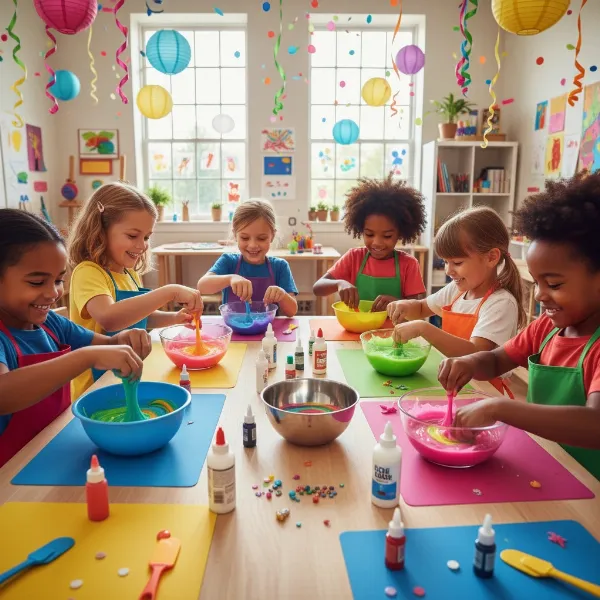 A vibrant and exciting scene of children happily making slime in various types of mixing bowls, with colorful glue, glitter, and activators spread around a clean, safe craft area, all contained and joyful.
How to Choose the Perfect Slime Mixing Bowl
Selecting the ideal mixing bowl for your child’s slime adventures requires considering a few key factors that prioritize safety, functionality, and fun.
Determine the Purpose and User
Consider who will be using the bowl and for what specific type of slime. Younger children need bowls that are virtually indestructible and easy to handle, while older kids might appreciate features like transparency for observing the mixing process. If you’re making slime frequently, a durable, easy-to-clean option is paramount.
Choose the Right Size and Shape
Slime can expand, and vigorous mixing can lead to splashes. Opt for bowls with deeper sides and a wider opening to minimize spills and splatters, keeping the mess contained. Having a set of various sizes is beneficial; smaller bowls are great for individual batches or mixing colorants, while larger bowls accommodate bigger projects or multiple children.
Prioritize Safety and Material
For kids’ crafts, safety is non-negotiable. Always choose materials that are non-toxic, especially for plastics (ensure they are BPA-free). Avoid easily breakable materials like traditional ceramic or thin glass for younger children, as broken pieces can be dangerous. Tempered glass or sturdy plastic (polypropylene/PP) and food-grade silicone are generally safer choices.
Focus on Durability and Easy Cleaning
Slime is notoriously sticky, so bowls that are easy to clean are a game-changer. Look for non-porous materials with smooth surfaces like stainless steel or silicone, which prevent slime from adhering permanently and resist staining or odor absorption. Dishwasher-safe options save valuable time and effort after a messy craft session.
Look for Stability and Additional Features
A stable bowl prevents frustrating slips and spills. Bowls with non-slip silicone bottoms are excellent for keeping the bowl in place on the table, even during enthusiastic stirring. Comfortable grips or handles can also make the bowl easier for small hands to manage. Some bowls come with lids, which are incredibly handy for storing leftover slime or pre-mixed ingredients. Pour spouts, while less critical for slime than for baking batters, can still help manage liquids during the initial mixing phase.
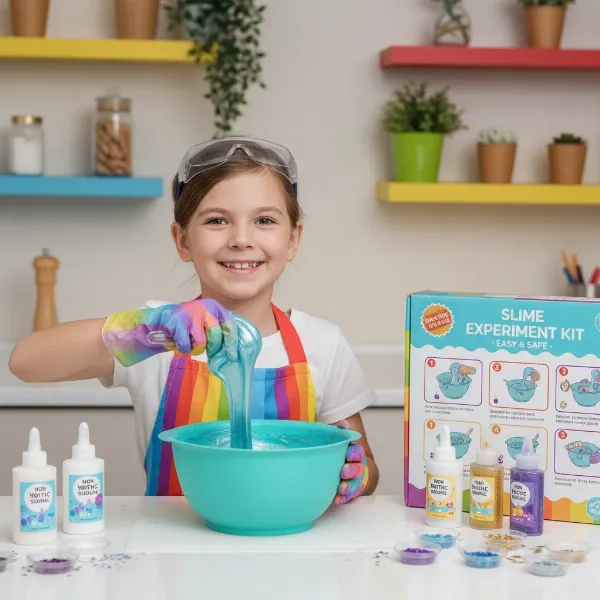 An excited child (around 8-10 years old) holding a brightly colored, non-slip mixing bowl, surrounded by various slime-making ingredients like glitter, glue, and activators, emphasizing the joy of choosing the right tools for a craft project.
Consider Storage Solutions
If space is a concern, nesting mixing bowl sets are an excellent solution. Many stainless steel and plastic sets are designed to stack neatly inside each other, saving cupboard space and keeping your crafting area organized.
> “The right mixing bowl transforms slime making from a chore into pure joy. Prioritize materials that are non-stick and easy to wipe clean – trust me, your future self will thank you!” – Maya Chen, Expert Crafting Educator
Conclusion
Choosing the best mixing bowls for making slime means investing in a smoother, more enjoyable, and less messy crafting experience for everyone. From the lightweight durability of stainless steel and BPA-free plastics to the unbeatable non-stick properties of silicone, each material offers unique benefits tailored to the active world of kids’ crafts. By prioritizing factors like safety, ease of cleaning, and suitable size, you can equip your little crafters with the perfect tools to unleash their creativity. So, which mixing bowl will become your family’s go-to for countless sticky, stretchy, and satisfying slime creations?
Frequently Asked Questions
What is the best material for a slime mixing bowl to avoid stains?
Stainless steel and food-grade silicone are generally the best materials to avoid stains and odors from slime ingredients like food coloring. Their non-porous surfaces resist absorption, making cleanup much easier.
Are plastic mixing bowls safe for kids’ slime activities?
Yes, plastic mixing bowls can be safe for kids’ slime activities, especially those made from polypropylene (PP) plastic and certified BPA-free. These plastics are durable and less likely to break than glass, but always check for non-toxic labels.
What size mixing bowl is ideal for making slime?
For general slime making, a medium-sized bowl (around 2-4 quarts) is usually ideal. It provides enough space for mixing without excessive spills, while allowing kids to easily manage the bowl. Smaller bowls are good for individual portions or adding color, and larger bowls for big batches.
How can I make cleanup easier after making slime?
Using mixing bowls made from non-stick silicone or smooth stainless steel will significantly ease cleanup. Wiping bowls immediately after use, or letting any residue dry completely before peeling it off, can also help. Dishwasher-safe bowls are a convenient bonus.