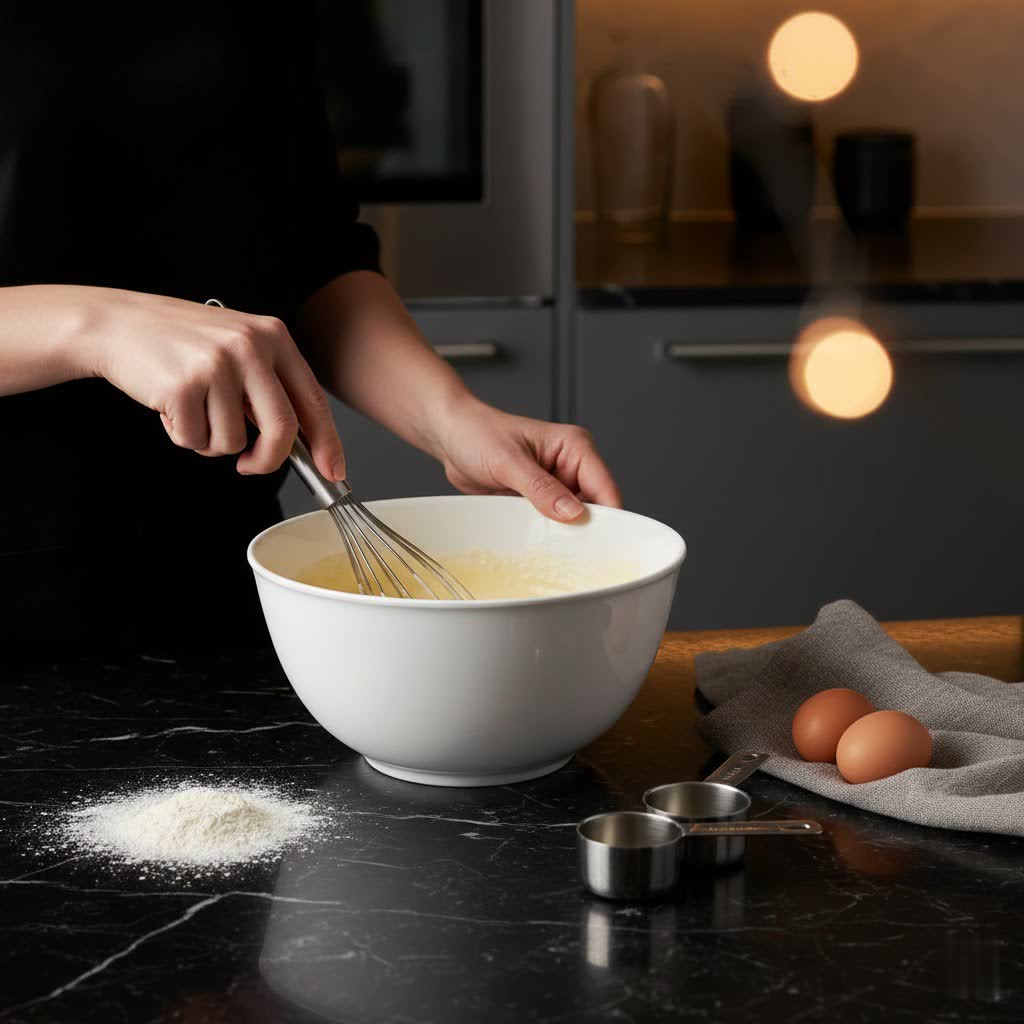
In the bustling heart of every kitchen, a reliable mixing bowl is an unsung hero. From whisking eggs for a fluffy omelet to kneading dough for homemade bread, these humble vessels are indispensable. Among the myriad options available, Pyrex glass mixing bowls stand out as a time-honored choice, cherished by home cooks and professional chefs alike for generations. But as kitchens evolve and demands grow, a crucial question emerges: are Pyrex glass mixing bowls truly durable enough for today’s culinary challenges?
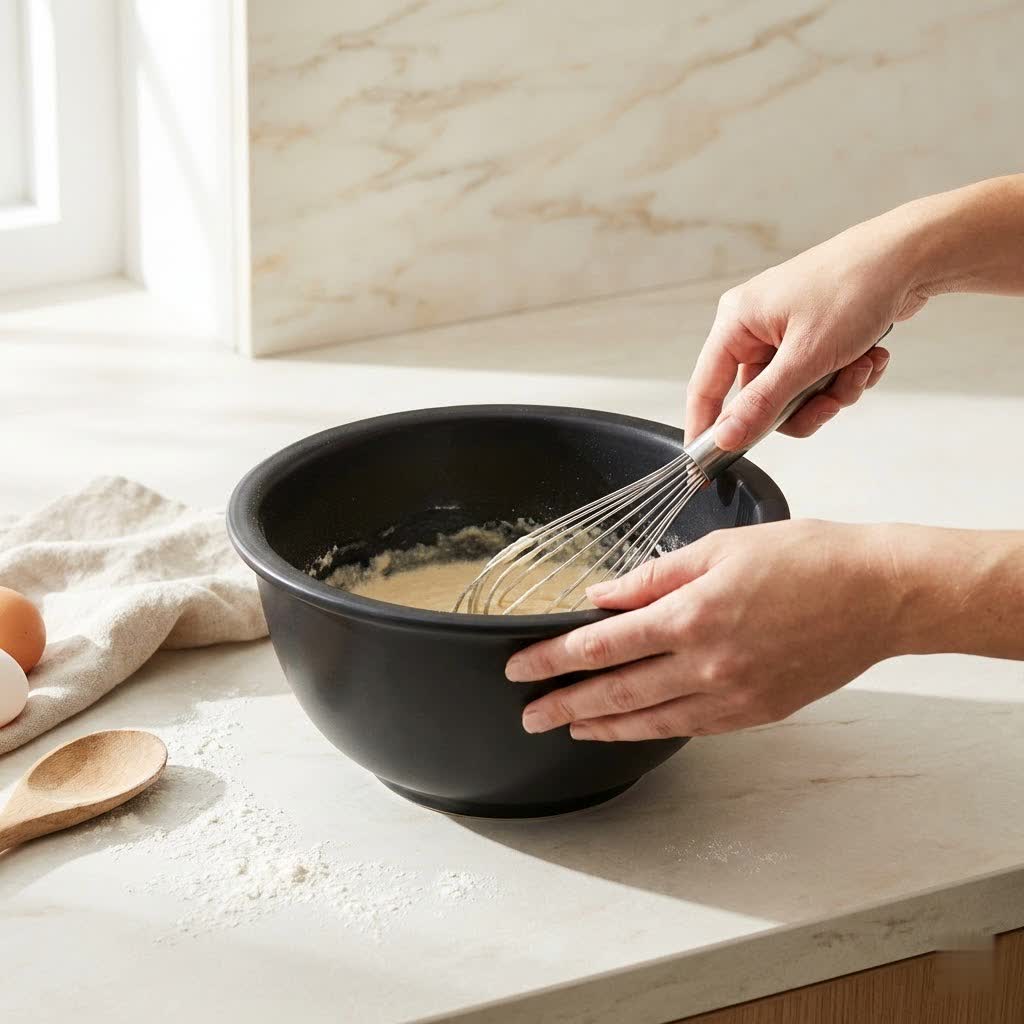
Pyrex has long been synonymous with resilient kitchenware, a brand built on trust and consistent performance. This review delves into the true durability of Pyrex glass mixing bowl sets, exploring their robust features, versatile applications, and the factors that contribute to their longevity – as well as those that might challenge it. We’ll examine why these classic bowls remain a staple in many homes, weigh their advantages against potential drawbacks, and compare them to other popular materials to help you determine if a Pyrex set is the perfect, long-lasting companion for your kitchen.
The Diverse World of Mixing Bowls: A Comparative Look
Before we focus on Pyrex, understanding the broader landscape of mixing bowl materials can illuminate what makes each type unique. Different materials offer distinct advantages and disadvantages, making them suitable for various kitchen tasks.
Glass Mixing Bowls (Focus on Pyrex)
Glass mixing bowls, particularly those from Pyrex, are celebrated for their clarity and non-reactive properties. They offer a pristine environment for mixing, allowing you to easily monitor ingredients without the worry of them absorbing odors or stains. [cite: 4.4, 5.4, 1.3]
- Advantages: Glass is aesthetically pleasing, making bowls suitable for serving directly from kitchen to table. Its non-porous surface ensures it won’t absorb food odors or stains, making cleanup simple. Pyrex glass bowls are also typically safe for microwave, oven, refrigerator, and freezer use, adding to their versatility. [cite: 4.4, 5.4, 1.3, 2.2, 3.2]
- Disadvantages: Glass bowls can be heavier than their plastic or stainless steel counterparts, especially when full. Their primary drawback lies in their susceptibility to breakage if dropped or exposed to sudden, extreme temperature changes, known as thermal shock. [cite: 4.5, 1.3, 2.3]
- Best Suited For: Mixing batters, preparing salads, melting ingredients in the microwave, and storing food where visibility is desired.
|
Our Picks for the Best Mixing bowl in 2026
As an Amazon Associate I earn from qualifying purchases.
|
||
| Num | Product | Action |
|---|---|---|
| 1 | Glad Mixing Bowls with Pour Spout, Set of 3 | Nesting Design Saves Space | Non-Slip, BPA Free, Dishwasher Safe Plastic | Kitchen Cooking and Baking Supplies, Sage Green |

|
| 2 | Winco 5 Quart Heavy-Duty Stainless Steel Mixing Bowl, Deep |
|
| 3 | Cuisinart Mixing Bowl Set, Stainless Steel, 3-Piece, CTG-00-SMB |
|
| 4 | Umite Chef Mixing Bowls with Airtight Lids Set, 8PCS Stainless Steel Khaki Nesting Bowls with Grater Attachments, Kitchen Bowls with Non-Slip Bottoms, Size 5, 4, 3.5, 2, 1.5QT for Mixing & Serving |
|
| 5 | Priority Chef Premium Mixing Bowls With Lids Set, Airtight Lids, Thicker Stainless Steel, Non-Slip Base, 5 Nesting Steel Bowls for Kitchen, Large Prep Metal Bowl Set 1.5/2/3/4/5 Qt, Black |
|
| 6 | Fox Run Brands 2.75-Quart Stainless Steel Mixing Bowl, 9 x 9 x 4 inches, Metallic |
|
| 7 | JoyJolt Stainless Steel Mixing Bowl Set - 6 Piece Nesting Bowls, 5qt to 0.5qt, Ideal for Kitchen, Cooking, Baking and Storage |
|
| 8 | OXO Good Grips 5-Quart Mixing Bowl |
|
| 9 | Winco , 8-Quart, Stainless Steel (MXB-800Q) |
|
| 10 | Glad Mixing Bowls with Pour Spout, Set of 3 | Nesting Design Saves Space | Non-Slip, BPA Free, Dishwasher Safe Plastic | Kitchen Cooking and Baking Supplies, White |
|
Stainless Steel Mixing Bowls
Stainless steel bowls are a professional kitchen favorite due to their lightweight nature and exceptional resilience. They are often chosen for their utility and ease of handling during vigorous mixing.
- Advantages: Extremely durable, lightweight, and virtually unbreakable. They are excellent for use with hand mixers and whisks without fear of scratching or reacting with most foods. Many are dishwasher safe.
- Disadvantages: Stainless steel can react with highly acidic ingredients, potentially imparting a metallic taste. They are not microwave safe and lack the aesthetic appeal for direct serving compared to glass or ceramic.
- Best Suited For: Heavy-duty mixing, whisking, kneading dough, and creating a double boiler.
Plastic Mixing Bowls
Plastic bowls are typically the most budget-friendly option and come in a wide array of colors and designs. They are light and easy to handle, often featuring non-slip bases and pouring spouts.
- Advantages: Inexpensive, lightweight, and shatterproof. Many sets include airtight lids for convenient food storage.
- Disadvantages: Prone to scratching, staining, and absorbing food odors over time. Some plastics may contain BPA, and they are generally not suitable for very hot foods or extensive microwave use.
- Best Suited For: Light mixing tasks, quick preparations, and children’s cooking projects.
Ceramic Mixing Bowls
Ceramic bowls offer a charming, artisanal appeal, often chosen for their visual warmth and ability to retain temperature.
- Advantages: Visually appealing for serving and can retain heat or cold well, making them ideal for dishes that need to stay at a certain temperature.
- Disadvantages: Heavy and highly susceptible to chipping and breaking if dropped. They may also be less resistant to thermal shock than glass, though specific ceramic types vary.
- Best Suited For: Marinating, serving, and decorative purposes.
Comparative Overview of Mixing Bowl Materials
| Feature | Glass | Stainless Steel | Plastic | Ceramic |
|---|---|---|---|---|
| Durability | Medium | High | Low | Medium |
| Weight | Heavy | Light | Light | Heavy |
| Price | Medium | Medium | Low | High |
| Cleaning | Easy | Easy | Medium | Easy |
| Safety (Reactivity) | High (Non-reactive) | Medium (Can react with acids) | Varies (Check BPA) | High (Non-reactive) |
| Microwave Safe | Yes | No | Varies | Varies |
| Oven Safe | Yes (with caveats) | No | No | Varies |
Pyrex Glass Mixing Bowls: Unpacking Durability and Features
Pyrex glass mixing bowls have earned their reputation as kitchen workhorses for several compelling reasons, primarily centered around their build quality and versatile functionality. But let’s get to the heart of the matter: their durability.
Build Quality and Material: The Pyrex Advantage
Modern Pyrex mixing bowls are typically made from tempered soda-lime glass. This material is engineered to be thick and sturdy, offering considerable resistance to impact and daily wear and tear. Many users laud their substantial feel, noting that the bowls convey a sense of lasting quality from the moment they are handled. This robust construction means they are less prone to minor scratches that might plague other materials, maintaining their clear, clean appearance over time. [cite: 1.1]
It’s important to acknowledge the historical distinction between modern “Pyrex” (lowercase) and vintage “PYREX” (uppercase), which was made from borosilicate glass. Borosilicate glass is renowned for its superior resistance to thermal shock. While modern tempered soda-lime glass Pyrex is still highly durable, it requires more mindful handling regarding extreme temperature changes than its older borosilicate counterpart. [cite: 4.4, 5.4]
Versatility in the Kitchen: Beyond Just Mixing
One of Pyrex glass mixing bowls’ most celebrated attributes is their exceptional versatility. They seamlessly transition between various kitchen tasks, making them a true multi-purpose essential.
- Temperature Adaptability: Pyrex bowls are generally safe for use in the microwave, refrigerator, and freezer. Many are also oven-safe for certain applications, though it’s crucial to avoid extreme temperature shifts. This means you can use a single bowl to mix ingredients, chill a salad, melt butter, or even bake a small casserole. [cite: 1, 4, 1.1, 2.1, 3.1]
- Non-Porous Perfection: The non-porous nature of Pyrex glass prevents the absorption of food odors, stains, or flavors. This is a significant advantage over plastic, ensuring that your garlic-heavy marinade won’t taint your next batch of pancake batter. Cleanup is consistently easy, with most bowls being dishwasher safe. [cite: 4, 5, 2.2, 1.3]
- Ideal for Acidic Ingredients: Unlike some metal bowls that can react with acidic foods (like tomatoes or citrus), Pyrex glass is inert. This prevents any metallic taste transfer and maintains the pure flavor of your ingredients. [cite: 2.1, 5.3]
- Convenient Storage and Serving: With their clear design, Pyrex bowls allow for easy visibility of contents, perfect for identifying leftovers in the fridge. Many sets include lids, enhancing their utility for storage. Their attractive appearance also makes them suitable for serving, moving directly from prep to table. [cite: 4.5, 5.1] The nesting design of Pyrex sets also ensures efficient storage, saving valuable cabinet space. [cite: 2, 4.1]
Potential Durability Concerns: Addressing the Elephant in the Room
While Pyrex bowls are undeniably durable for everyday use, “Are they durable?” often implies resistance to all forms of damage. Like any glass product, they have specific vulnerabilities that users should be aware of to ensure their longevity.
- Thermal Shock: This is arguably the most significant factor impacting glass durability. Pyrex bowls, especially modern ones made of tempered soda-lime glass, can shatter or crack if subjected to sudden and drastic temperature changes. This means avoiding transferring a frozen bowl directly into a hot oven or placing a hot bowl onto a cold, wet surface. Allowing bowls to acclimate to room temperature before significant temperature shifts is a critical best practice. [cite: 1, 4.4, 5.4, 1.3, 2.3]
“When you drop a Pyrex dish, the sudden deceleration creates immense forces that are exerted on its surface and it shatters to pieces.” [cite: 1.4]
- Impact Breakage: Being glass, Pyrex bowls are susceptible to breaking if dropped on a hard surface or struck forcefully. While tempered glass is designed to break into less hazardous chunks rather than sharp shards, it is still glass and not indestructible. [cite: 4.5]
- Lid Longevity: While the glass bowls themselves are robust, the accompanying plastic lids may not share the same lifespan. Some users report that plastic lids can degrade, crack, or lose their tight seal over time, especially with frequent dishwasher use. Hand-washing the lids is often recommended to prolong their life. [cite: 2.2]
Guide to Choosing the Perfect Mixing Bowl Set
Selecting the right mixing bowls involves considering your cooking habits and kitchen needs.
1. Define Your Purpose
What will you primarily use the bowls for? If baking and whisking are frequent, a set with a variety of sizes and good stability is key. For meal prep and storage, lids become essential. Pyrex excels as an all-rounder.
2. Choose the Right Size
Mixing bowl sets come in various capacities. A good set, like many Pyrex offerings, typically includes a range of sizes (e.g., 1-quart, 1.5-quart, 2.5-quart, 4-quart) to accommodate everything from a small sauce to a large cake batter. Nesting designs are excellent for space-saving storage.
3. Prioritize Material Safety
Ensure the material is non-reactive with food and, if applicable, that plastic components (like lids) are BPA-free. Pyrex glass is a safe, non-reactive choice.
4. Consider Durability and Ease of Cleaning
Look for bowls that can withstand your typical kitchen demands. Tempered glass Pyrex bowls are durable for most uses and remarkably easy to clean, being largely dishwasher safe. [cite: 4.4]
5. Check for Reputable Brands
Brands with a long history, like Pyrex, often indicate consistent quality and a commitment to customer satisfaction. However, even with trusted brands, checking recent reviews can provide insights into specific product lines.
Conclusion
Pyrex glass mixing bowls remain a cornerstone in countless kitchens for good reason. Their thick, tempered glass construction provides impressive durability for daily culinary tasks, resisting scratches, stains, and odors effectively. With their non-reactive surface and ability to go from microwave to fridge to dishwasher, they offer unparalleled versatility that few other materials can match. [cite: 1.1, 2.1, 3.1]
However, their durability comes with a caveat: mindful handling, particularly regarding extreme temperature changes, is crucial to prevent thermal shock and ensure their longevity. While not indestructible like stainless steel, with proper care, a Pyrex mixing bowl set can indeed be a remarkably long-lasting and invaluable asset in your kitchen, serving you faithfully through countless meals and baking adventures. Are you ready to discover the enduring charm and reliability of Pyrex glass mixing bowls for yourself?
Frequently Asked Questions
Are Pyrex mixing bowls safe for microwave use?
Yes, Pyrex mixing bowls are generally safe for microwave use. Their tempered glass construction allows them to heat evenly without reacting with food. However, it’s advised to avoid extreme temperature shifts, such as placing a very cold bowl directly into a hot microwave. [cite: 1, 4.4, 5.4]
Can Pyrex mixing bowls go directly from the freezer to the oven?
No, it is strongly advised against placing a Pyrex bowl directly from the freezer into a hot oven. The rapid change in temperature can cause thermal shock, leading the glass to crack or shatter. Always allow frozen Pyrex dishes to come to room temperature before placing them in a hot oven. [cite: 4.4, 5.4]
How do I prevent my Pyrex bowl from breaking?
To prevent breakage, avoid sudden and extreme temperature changes (thermal shock). Do not place hot bowls on cold or wet surfaces, and allow them to cool before washing with cold water. Additionally, handle with care to prevent impact from drops or hard knocks. [cite: 1.4, 2.3]
Are Pyrex glass mixing bowls better than stainless steel?
Neither is definitively “better”; it depends on your needs. Pyrex glass bowls are excellent for microwave use, non-reactive with acidic foods, and great for serving due to their appearance. Stainless steel bowls are lighter, virtually unbreakable, and ideal for vigorous mixing or double boilers. A combination of both often provides the most versatile kitchen setup. [cite: 5.3, 4.5]
Do Pyrex bowls stain or retain odors?
No, one of the key benefits of Pyrex glass mixing bowls is their non-porous surface. This characteristic prevents them from absorbing food odors or stains, ensuring they remain fresh and clean after each wash, even after holding strong-smelling ingredients.