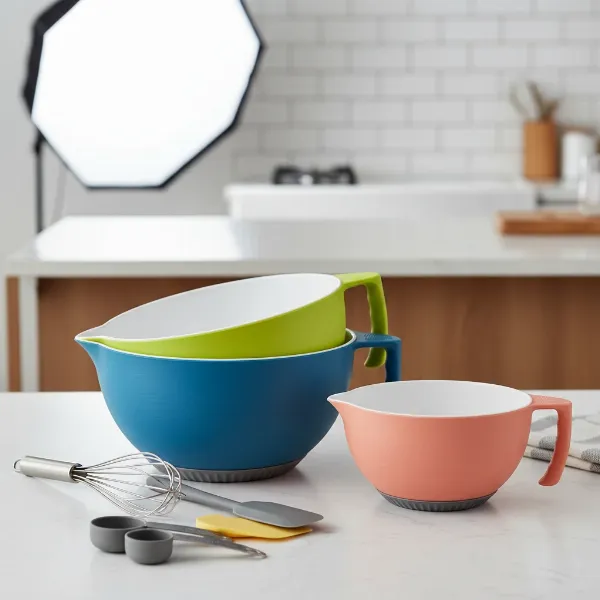
For generations, bakers and chefs have sworn by copper mixing bowls for whipping egg whites, attributing to them an almost magical ability to produce superior, stable foams. But is there real science behind this culinary tradition, or is it merely an age-old myth passed down through the kitchens? Understanding the unique properties of copper and how it interacts with egg whites can demystify this practice and help you achieve flawless meringues, soufflés, and airy baked goods every time.
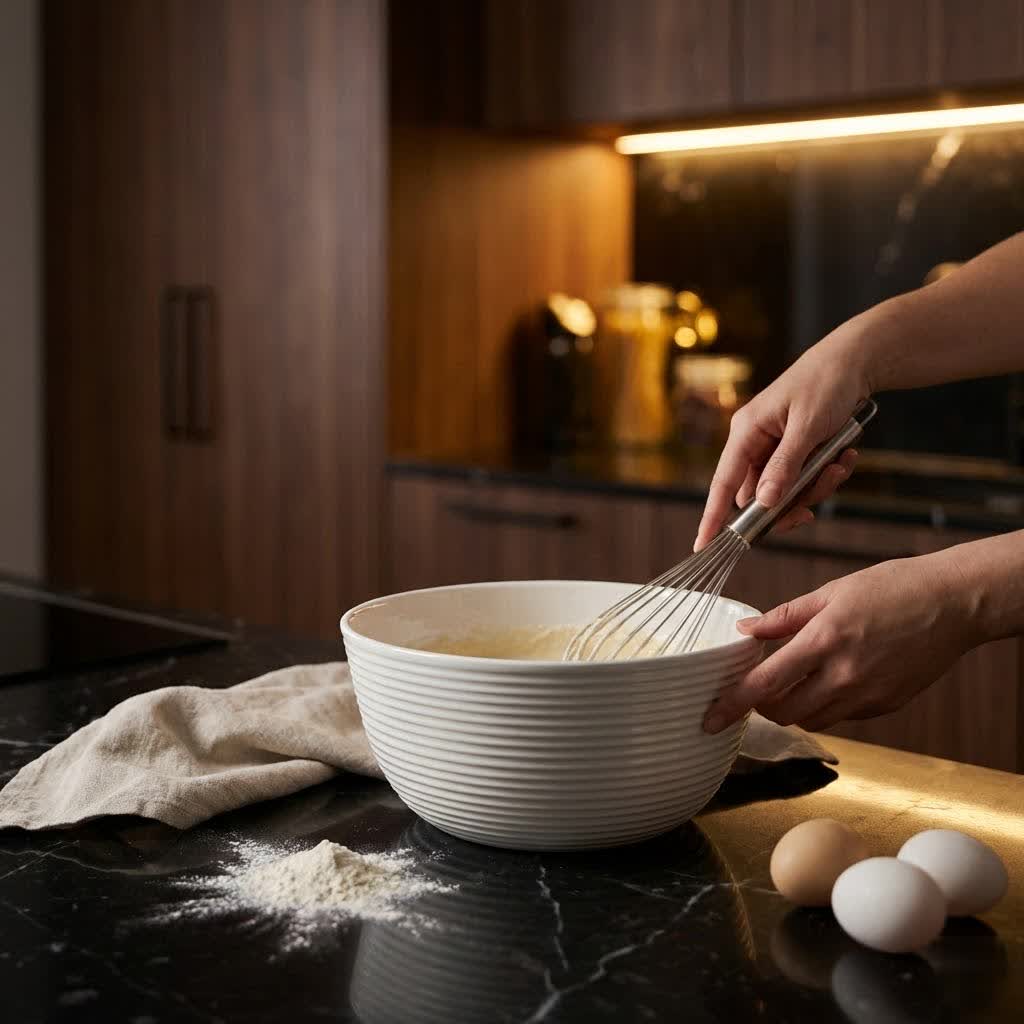
The secret lies in a subtle chemical interaction that happens when copper meets egg whites. As you whisk, tiny copper ions are released from the bowl’s surface. These ions bind with a protein in egg whites called conalbumin, forming a stable complex. This interaction is crucial because it prevents the proteins from forming too many strong disulfide bonds, which can lead to overwhipped, grainy, and watery egg whites that quickly deflate. The result is a more resilient, glossy foam that resists collapsing and weeping, even if left to sit for a short period. This unique stabilization provides a wider margin against overbeating, a common pitfall for aspiring bakers.
Common Mixing Bowl Materials
Mixing bowls come in a variety of materials, each offering distinct advantages and disadvantages. While a copper bowl holds a special place for specific tasks like whipping egg whites, understanding the broader landscape of mixing bowl materials can inform your kitchen choices.
Glass Mixing Bowls
|
Our Picks for the Best Mixing bowl in 2026
As an Amazon Associate I earn from qualifying purchases.
|
||
| Num | Product | Action |
|---|---|---|
| 1 | Fox Run Brands 2.75-Quart Stainless Steel Mixing Bowl, 9 x 9 x 4 inches, Metallic |

|
| 2 | JoyJolt Stainless Steel Mixing Bowl Set - 6 Piece Nesting Bowls, 5qt to 0.5qt, Ideal for Kitchen, Cooking, Baking and Storage |
|
| 3 | Umite Chef Mixing Bowls with Airtight Lids Set, 8PCS Stainless Steel Khaki Nesting Bowls with Grater Attachments, Kitchen Bowls with Non-Slip Bottoms, Size 5, 4, 3.5, 2, 1.5QT for Mixing & Serving |
|
| 4 | OXO Good Grips 5-Quart Mixing Bowl |
|
| 5 | Glad Mixing Bowls with Pour Spout, Set of 3 | Nesting Design Saves Space | Non-Slip, BPA Free, Dishwasher Safe Plastic | Kitchen Cooking and Baking Supplies, White |
|
| 6 | Glad Mixing Bowls with Pour Spout, Set of 3 | Nesting Design Saves Space | Non-Slip, BPA Free, Dishwasher Safe Plastic | Kitchen Cooking and Baking Supplies, Sage Green |
|
| 7 | Winco 5 Quart Heavy-Duty Stainless Steel Mixing Bowl, Deep |
|
| 8 | Winco , 8-Quart, Stainless Steel (MXB-800Q) |
|
| 9 | Priority Chef Premium Mixing Bowls With Lids Set, Airtight Lids, Thicker Stainless Steel, Non-Slip Base, 5 Nesting Steel Bowls for Kitchen, Large Prep Metal Bowl Set 1.5/2/3/4/5 Qt, Black |
|
| 10 | Cuisinart Mixing Bowl Set, Stainless Steel, 3-Piece, CTG-00-SMB |
|
Glass bowls are highly aesthetic, allowing you to see your ingredients as you mix, and are generally easy to clean without retaining odors or flavors. They are also non-reactive, making them suitable for all types of food. However, their primary drawbacks include being heavy and prone to shattering if dropped or exposed to sudden temperature changes. They are ideal for mixing salads, preparing batters, or serving.
Stainless Steel Mixing Bowls
Stainless steel bowls are celebrated for their durability, lightweight nature, and excellent heat conductivity (though this is less critical for cold mixing tasks). They are resistant to staining and odors and are often dishwasher-safe. While highly versatile, they can scratch over time and do not offer the same chemical advantage as copper for egg whites. They are excellent for general mixing, whipping cream, and tasks requiring heat resistance.
Plastic Mixing Bowls
Plastic bowls are typically the most affordable and lightweight option, available in a wide array of colors and sizes. Their affordability makes them a popular choice for everyday use. However, plastic can easily absorb odors and colors from food, stain, and can degrade over time. Crucially for egg whites, plastic can retain microscopic traces of grease or oil, which are detrimental to proper foaming. They are best suited for light mixing of sauces or dry ingredients where oil residue is not a concern.
Ceramic Mixing Bowls
Ceramic bowls are often prized for their attractive appearance and ability to retain temperature, whether hot or cold, making them suitable for proofing dough or keeping dishes warm. Like glass, they are non-reactive and easy to clean. Their main disadvantages are their weight and susceptibility to chipping or breaking if handled roughly. They are perfect for preparing dough, marinating, or serving.
Comparing Mixing Bowl Materials
| Feature | Glass Bowls | Stainless Steel Bowls | Plastic Bowls | Ceramic Bowls | Copper Bowls |
|---|---|---|---|---|---|
| Durability | Medium | High | Low | Medium | High (with care) |
| Weight | Heavy | Light | Light | Heavy | Medium |
| Price | Medium | Medium | Low | High | High |
| Cleanliness | Easy | Easy | Medium | Easy | Medium (patina) |
| Safety | High (non-reactive) | High (non-reactive) | Varies (BPA-free) | High (non-reactive) | High (for egg whites) |
| Egg White Stability | Low (mechanical only) | Medium (mechanical only) | Very Low (grease retention) | Low (mechanical only) | High (chemical interaction) |
| Dishwasher Safe | Yes | Yes | Varies | Yes | No (hand wash) |
Your Guide to Choosing the Right Mixing Bowl
Selecting the ideal mixing bowl goes beyond aesthetics; it’s about matching the tool to the task. For certain culinary endeavors, like whipping egg whites, the material of your bowl can significantly impact the outcome.
Determine Your Primary Use
Consider what you’ll be using the bowl for most often. If your goal is to achieve consistently high-quality whipped egg whites for meringues, soufflés, or light cakes, a copper bowl offers distinct chemical advantages that can make the process easier and the results more stable. For everyday tasks like mixing batters, tossing salads, or preparing marinades, durable and versatile stainless steel or non-reactive glass bowls are excellent choices. Plastic bowls, while inexpensive, are best reserved for light, non-greasy mixing due to their tendency to absorb odors and retain oils.
Select the Appropriate Size
Mixing bowls come in a range of capacities. A set of varying sizes is often most practical for a home kitchen, allowing you to handle small tasks like whisking a single egg white to larger preparations such as mixing a big batch of cookie dough. When whipping egg whites, ensure the bowl is large enough to accommodate their expansion, as they can increase up to seven times their original volume. A deep, round-bottomed bowl provides ample surface area for the whisk to incorporate air efficiently.
Prioritize Material Safety
Always opt for materials that are safe for food contact. Glass, stainless steel, and ceramic bowls are generally non-reactive and food-safe. If choosing plastic, look for BPA-free options. With copper, ensure it is pure copper and understand its specific use; while safe for egg whites, prolonged contact with acidic ingredients can cause copper to leach into food, leading to a metallic taste or potential health concerns.
Focus on Durability and Ease of Cleaning
A good mixing bowl should withstand regular use and be easy to clean. Stainless steel is renowned for its durability and often dishwasher-safe convenience. Glass and ceramic are also easy to clean but are more fragile. Copper bowls, while durable, require specific care to prevent tarnishing and should be hand-washed to maintain their unique properties. A meticulously clean bowl, free of any oil residue, is paramount for successful egg white whipping, regardless of the material.
Consider Reputable Brands
Investing in quality kitchen tools from trusted brands can ensure longevity and performance. While a copper bowl might be a specialized purchase, it’s a worthwhile investment for those serious about their baking. For other materials, research brands known for their craftsmanship and customer satisfaction.
“Copper’s advantage isn’t about ‘magic metal’—it’s about targeted protein modulation. But that benefit evaporates if the bowl isn’t meticulously cleaned or if acidity disrupts ion release. In real kitchens, stainless wins on consistency; copper wins on precision—for one specific task.” – Dr. Lena Cho, Food Colloid Scientist & Culinary Materials Consultant
Conclusion
The centuries-old culinary wisdom of using copper mixing bowls for egg whites is indeed backed by science. The unique interaction between copper ions and egg white proteins creates a more stable, voluminous, and less prone-to-collapse foam, offering a distinct advantage over other materials. While not strictly “essential” – as careful technique and acid stabilizers like cream of tartar can yield excellent results in other bowls – a copper bowl undeniably provides a biochemical edge for achieving consistently perfect meringues and airy baked goods.
So, are copper mixing bowls essential for egg whites? While you can achieve great results without one, a copper bowl offers a unique scientific advantage for superior stability and texture. Is this specialized tool the missing piece in your baking arsenal?
Frequently Asked Questions
Why do copper bowls prevent egg whites from weeping?
Copper ions released from the bowl bind with conalbumin, a protein in egg whites. This complex stabilizes the protein structure, preventing the formation of strong disulfide bonds that can squeeze out water and cause the foam to collapse or “weep.”
Can I use cream of tartar as a substitute for a copper bowl?
Yes, cream of tartar is an effective substitute. It’s an acid that lowers the pH of egg whites, which also helps to stabilize the proteins and prevent overbeating, similar to the effect of copper, though perhaps not as efficiently.
What happens if I overbeat egg whites in a copper bowl?
While a copper bowl provides a wider margin against overbeating, it’s still possible. Overbeaten egg whites will become dry, clumpy, and grainy as the proteins tighten too much, expelling moisture.
Are copper bowls safe to use for food?
Yes, for specific applications like whipping egg whites. However, avoid prolonged contact with highly acidic foods (e.g., lemon juice, tomatoes, vinegar) as this can cause too much copper to leach into the food, potentially leading to a metallic taste or health concerns.
Why should I avoid plastic bowls for whipping egg whites?
Plastic bowls can retain microscopic traces of grease or oil, even after washing. Any fat in contact with egg whites will prevent them from foaming properly, resulting in a flat, unstable mixture.