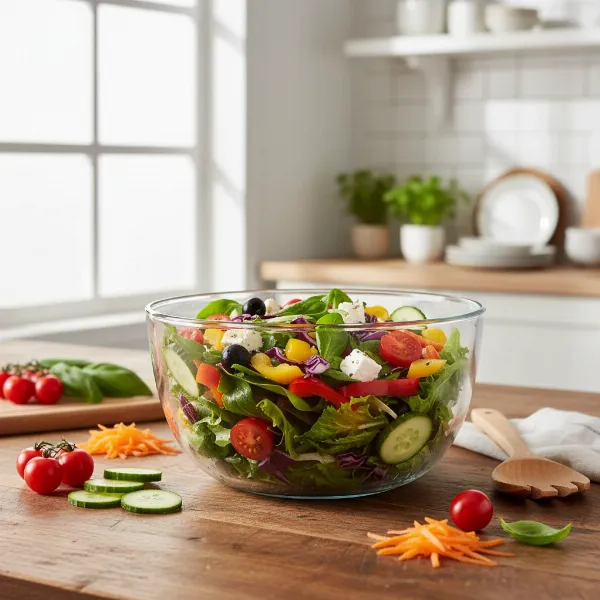
For many home bakers and culinary enthusiasts, a KitchenAid stand mixer is the undisputed centerpiece of the kitchen. But beyond the iconic machine itself, the choice of accessories profoundly impacts your baking experience. Among the most debated is the KitchenAid Glass Bowl, an alternative to the standard stainless steel. Is this aesthetically pleasing, transparent vessel merely a style statement, or does it offer tangible benefits that justify its place in your culinary arsenal? We’re diving deep into an honest review of the KitchenAid Glass Bowl for stand mixers, uncovering its true value for every type of baker.
The Allure of the KitchenAid Glass Bowl
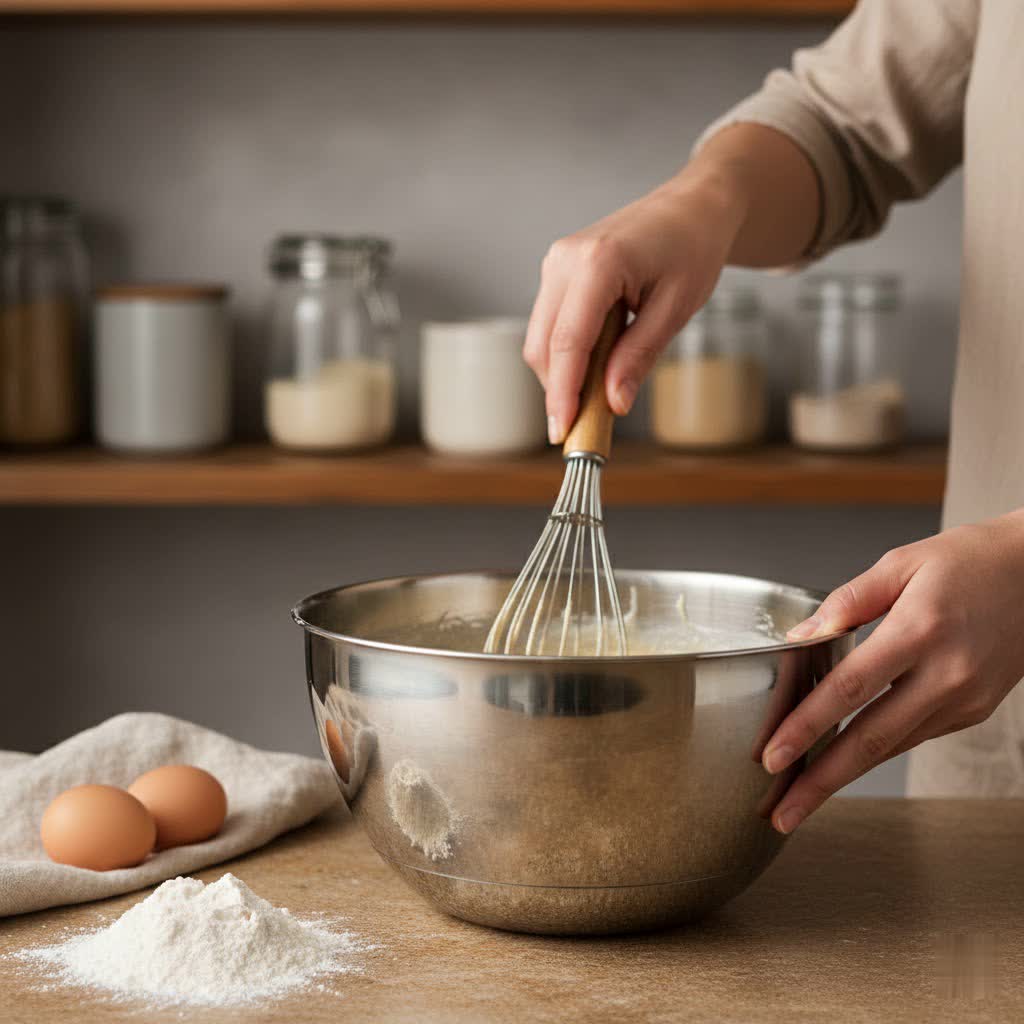
There’s no denying the visual appeal of a clear glass mixing bowl on a gleaming KitchenAid mixer. It transforms a utilitarian appliance into a sophisticated design element, enhancing your kitchen’s aesthetic.
Unmatched Clarity for Precision Baking
|
Our Picks for the Best Mixing bowl in 2026
As an Amazon Associate I earn from qualifying purchases.
|
||
| Num | Product | Action |
|---|---|---|
| 1 | JoyJolt Stainless Steel Mixing Bowl Set - 6 Piece Nesting Bowls, 5qt to 0.5qt, Ideal for Kitchen, Cooking, Baking and Storage |

|
| 2 | Glad Mixing Bowls with Pour Spout, Set of 3 | Nesting Design Saves Space | Non-Slip, BPA Free, Dishwasher Safe Plastic | Kitchen Cooking and Baking Supplies, Sage Green |
|
| 3 | Fox Run Brands 2.75-Quart Stainless Steel Mixing Bowl, 9 x 9 x 4 inches, Metallic |
|
| 4 | Umite Chef Mixing Bowls with Airtight Lids Set, 8PCS Stainless Steel Khaki Nesting Bowls with Grater Attachments, Kitchen Bowls with Non-Slip Bottoms, Size 5, 4, 3.5, 2, 1.5QT for Mixing & Serving |
|
| 5 | Cuisinart Mixing Bowl Set, Stainless Steel, 3-Piece, CTG-00-SMB |
|
| 6 | OXO Good Grips 5-Quart Mixing Bowl |
|
| 7 | Winco 5 Quart Heavy-Duty Stainless Steel Mixing Bowl, Deep |
|
| 8 | Winco , 8-Quart, Stainless Steel (MXB-800Q) |
|
| 9 | Glad Mixing Bowls with Pour Spout, Set of 3 | Nesting Design Saves Space | Non-Slip, BPA Free, Dishwasher Safe Plastic | Kitchen Cooking and Baking Supplies, White |
|
| 10 | Priority Chef Premium Mixing Bowls With Lids Set, Airtight Lids, Thicker Stainless Steel, Non-Slip Base, 5 Nesting Steel Bowls for Kitchen, Large Prep Metal Bowl Set 1.5/2/3/4/5 Qt, Black |
|
One of the most compelling advantages of the KitchenAid Glass Bowl is its transparency. Imagine effortlessly monitoring your ingredients as they cream, whip, or knead. You can visually track the consistency of your batter, ensure your butter and sugar are perfectly combined, or watch your dough come together without constantly stopping the mixer to scrape down the sides. This crystal-clear view provides a level of precision that opaque bowls simply cannot match, especially for delicate recipes where visual cues are paramount. It empowers you to mix with confidence, ensuring every ingredient reaches its optimal stage.
Elegant Design on Your Countertop
Beyond functionality, the KitchenAid Glass Bowl adds a touch of timeless elegance to your kitchen. Its classic design complements both modern and traditional decors, making your stand mixer a stylish focal point rather than just a workhorse appliance. For those who enjoy displaying their kitchen tools, the glass bowl transforms the mixer into a piece of art. It’s particularly popular for food bloggers or anyone making cooking videos, as it beautifully showcases the mixing process, turning everyday baking into a captivating visual experience.
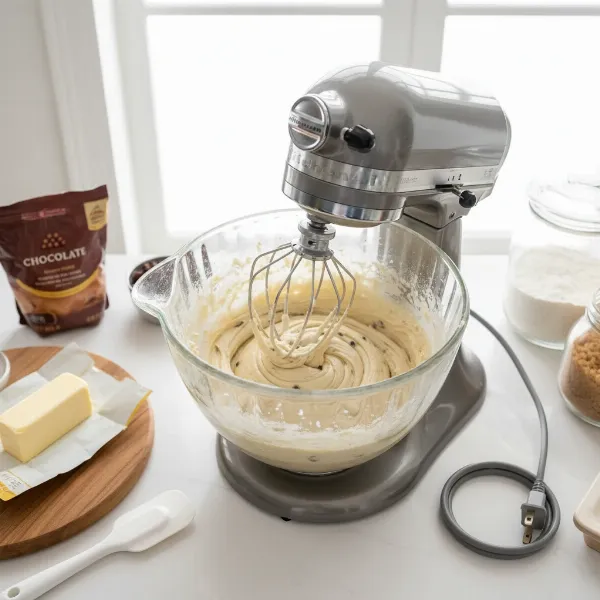 A KitchenAid stand mixer with a clear glass bowl mixing cookie dough, viewed from above, showcasing ingredient visibility
Key Features and Benefits
The KitchenAid Glass Bowl isn’t just about looks; it brings several practical features to the table that enhance its utility in the bustling kitchen.
Microwave and Freezer Versatility
A significant advantage of the KitchenAid Glass Bowl is its ability to handle extreme temperatures. Made from durable borosilicate glass, it is both microwave and freezer safe. This means you can melt butter or chocolate directly in the mixing bowl without transferring ingredients, saving you time and reducing dirty dishes. Conversely, it can also be used to chill ingredients, which is ideal for recipes requiring cold components. This versatility makes the same bowl useful from ingredient preparation all the way through to initial mixing, streamlining your baking process.
Effortless Cleaning and Maintenance
Cleaning up after baking can often be a chore, but the smooth, non-porous surface of the KitchenAid Glass Bowl makes it remarkably easy to clean. Unlike some materials, glass does not absorb odors or stains, ensuring your bowl remains pristine even after handling strong-smelling spices or vibrant food dyes. It’s also conveniently dishwasher safe, allowing for quick and hassle-free cleanup. For those who prefer handwashing, its smooth interior and exterior wipe clean with minimal effort, returning it to sparkling transparency in no time.
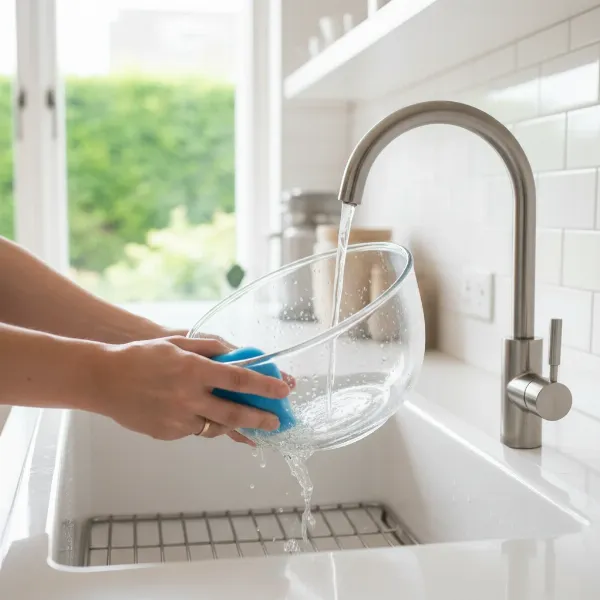 A hand easily cleaning a KitchenAid glass mixing bowl under running water in a modern kitchen sink
User-Friendly Design: Handle, Pour Spout, and Measurements
KitchenAid has thoughtfully designed its glass bowls with the user in mind. Many models come equipped with an integrated handle, making it much easier to lift, attach, and detach the bowl from the stand mixer, even when full. A convenient pour spout allows for mess-free transfer of batters and liquids, minimizing drips and spills. Furthermore, some glass bowls feature etched measurement markings on the side, providing an added layer of convenience for precise ingredient additions without the need for separate measuring cups. These design elements collectively enhance the overall user experience, making baking more efficient and enjoyable.
Potential Drawbacks to Consider
While the KitchenAid Glass Bowl offers many appealing features, it’s essential to be aware of its limitations before making a purchase. Every tool has its trade-offs, and understanding these can help you determine if it’s the right fit for your specific baking style.
The Weight Factor: Handling Heavy Loads
One of the most frequently mentioned downsides of the glass bowl is its considerable weight. Made from thick, sturdy glass, these bowls can be significantly heavier than their stainless steel counterparts, even when empty. Once filled with dense dough or a large batch of batter, the weight can become challenging to manage, especially for those with limited strength or dexterity. This added heft can make pouring, transferring ingredients, and even washing the bowl a more strenuous task, potentially impacting the ease and speed of your baking process.
Fragility: A Delicate Balance
Despite its robust construction, glass is inherently more fragile than stainless steel. The KitchenAid Glass Bowl, while durable, is susceptible to chipping or breaking if accidentally dropped or mishandled. A clumsy moment could result in a shattered bowl, not only leading to expense but also potential safety hazards. This fragility means bakers must exercise extra caution during use, cleaning, and storage, particularly in busy kitchens where accidental knocks are more common. This can be a significant concern for high-volume users or those with boisterous family environments.
Heat Management: When Steel Shines
While the glass bowl is microwave-safe, it’s less responsive to rapid temperature changes and external heating methods compared to stainless steel. For instance, if a recipe calls for placing your mixing bowl over a double boiler or directly over simmering water (like for a Swiss meringue), a stainless steel bowl is often preferred. Stainless steel conducts heat more efficiently, allowing for quicker temperature adjustments. The thicker glass takes longer to heat up and cool down, which might not be ideal for certain temperature-sensitive preparations.
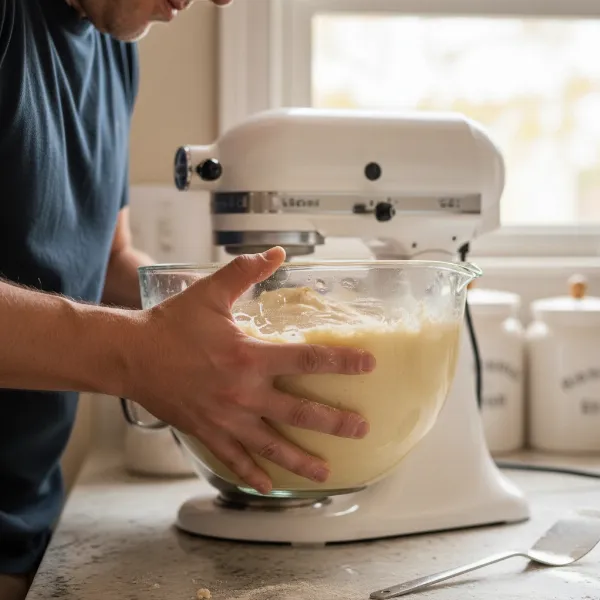 A person carefully lifting a full KitchenAid glass mixing bowl from a stand mixer, emphasizing its weight
KitchenAid Glass Bowl vs. Stainless Steel Bowl: A Head-to-Head Comparison
Choosing between a glass and stainless steel KitchenAid bowl often comes down to personal preference and specific baking needs. Here’s a direct comparison to help you weigh the options.
| Feature | KitchenAid Glass Bowl | KitchenAid Stainless Steel Bowl |
|---|---|---|
| Visibility | Excellent; allows visual monitoring of ingredients | Opaque; requires stopping mixer to check consistency |
| Durability | Durable, but susceptible to breaking/chipping | Highly durable; resistant to dents, cracks, and shattering |
| Weight | Heavier, especially when full | Lightweight and easy to handle |
| Temperature Tasks | Microwave and freezer safe; retains heat | Excellent for chilling; can be warmed over a flame; less heat retention |
| Aesthetics | Elegant, visually appealing, showcases ingredients | Classic, professional, industrial look |
| Cleaning | Dishwasher safe, non-porous, easy to clean | Dishwasher safe, non-reactive, easy to clean |
| Price | Typically higher than standard stainless steel | Often included with mixer; additional bowls are affordable |
> “The choice between glass and stainless steel truly hinges on your baking rhythm. If you prioritize visual checks and aesthetic appeal, glass is a dream. But for sheer robustness and agility in a busy kitchen, stainless steel often wins.” – Chef Lena Dubois, Professional Pastry Chef and Baking Instructor
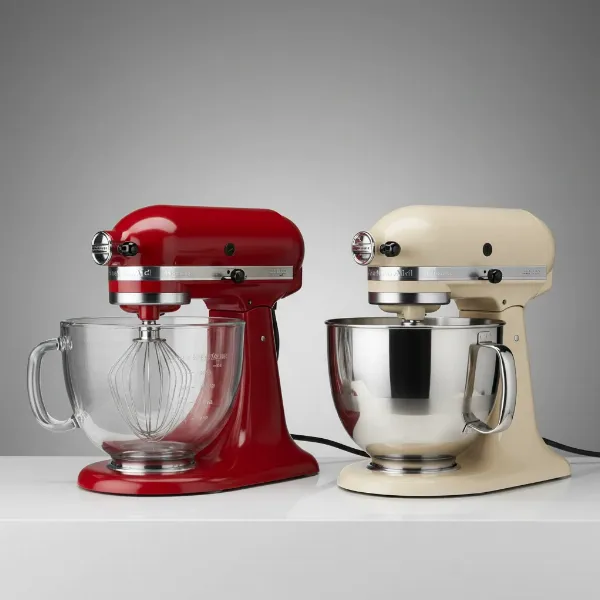 A side-by-side comparison of a KitchenAid stand mixer with a glass bowl and another with a stainless steel bowl
Compatibility: Finding the Perfect Fit
Before purchasing a KitchenAid Glass Bowl, ensuring compatibility with your specific stand mixer model is crucial. Most KitchenAid glass bowls are designed for 4.5 and 5-quart tilt-head stand mixers, including popular models like the Artisan KSM75, KSM90, KSM95, KSM100, KSM103, KSM110, KSM150, K45, and K45SS.
It’s important to note that glass bowls often have a slightly different shape or base locking mechanism compared to stainless steel bowls, which might mean that existing attachments (like beaters or dough hooks) designed for a stainless steel bowl may not always reach the bottom or sides effectively in a glass bowl. Always check your mixer’s model number and the bowl’s product description for exact compatibility to ensure seamless integration and optimal mixing performance. Some third-party glass bowls may also require removing a plastic lock base before microwave or oven use.
Is the KitchenAid Glass Bowl Right for You?
Deciding whether to invest in a KitchenAid Glass Bowl comes down to aligning its features with your personal baking habits and preferences.
Determine Usage Needs
Consider what you primarily use your stand mixer for. If you frequently melt ingredients in the microwave, appreciate seeing your batters develop, or need the freezer-safe option for chilling, the glass bowl offers practical advantages. However, if you often make very dense bread doughs, work quickly and handle your bowls roughly, or need quick temperature changes, a stainless steel bowl might be a more practical choice.
Prioritize Visibility and Aesthetics
For those who value the ability to visually monitor their mixing process and appreciate the elegant look a glass bowl lends to their kitchen, the KitchenAid Glass Bowl is an excellent choice. It enhances the joy of baking by making the process more transparent and visually engaging. If a beautiful kitchen aesthetic is as important as functionality, then the glass bowl truly shines.
Consider Handling and Storage
Given its weight and fragility, reflect on your comfort with handling a heavier bowl and your kitchen’s capacity for careful storage. If you have plenty of sturdy storage space and are accustomed to handling delicate items, the weight and fragility might not be an issue. However, if your kitchen is compact, or you prefer lightweight, indestructible tools, you might find the glass bowl less convenient for everyday use.
Ultimately, the KitchenAid Glass Bowl offers a unique blend of elegance and functionality. It’s an ideal accessory for bakers who prioritize visual precision, appreciate sophisticated kitchen aesthetics, and can manage its inherent weight and delicacy.
Frequently Asked Questions
Can I bake directly in a KitchenAid Glass Bowl?
Yes, KitchenAid glass bowls are generally oven-safe up to certain temperatures (check your specific model’s instructions) and can be used for melting ingredients in the microwave, making them versatile for various baking tasks.
Is the KitchenAid Glass Bowl heavier than the stainless steel one?
Yes, the glass bowl is noticeably heavier than its stainless steel counterpart, especially when full, which can impact handling and portability during baking.
Do all KitchenAid stand mixers fit the glass bowl?
Most KitchenAid glass bowls are designed for 4.5 and 5-quart tilt-head stand mixers. Always verify your mixer’s model number against the bowl’s compatibility list to ensure a proper fit.
Can I use my existing attachments with a glass bowl?
While many standard attachments will fit, some beaters or dough hooks designed for stainless steel bowls might not scrape the bottom or sides of a glass bowl effectively due to slight differences in shape.
Is the KitchenAid Glass Bowl dishwasher safe?
Yes, KitchenAid glass bowls are typically dishwasher safe, offering convenient and easy cleanup without absorbing odors or stains.
Why would I choose a glass bowl over stainless steel?
Bakers often choose a glass bowl for its aesthetic appeal, transparent visibility for monitoring mixing progress, and its microwave and freezer safe properties, which add convenience to their baking routine.
What is the capacity of most KitchenAid Glass Bowls?
Most commonly, KitchenAid glass bowls for stand mixers are available in a 5-quart capacity, which is suitable for a wide range of recipes from small to medium batches.