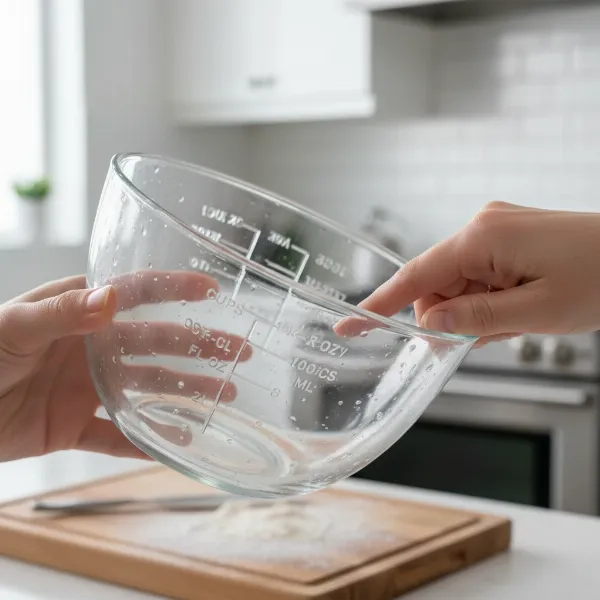
Every kitchen, from the aspiring home cook’s haven to the seasoned chef’s domain, relies on essential tools, and among the most versatile is the mixing bowl. While countless materials are available, plastic mixing bowls hold a unique position due to their affordability and convenience. Yet, navigating the world of plastic options, from surprisingly cheap finds to high-quality, durable investments, can be challenging. Understanding the distinctions between these categories is crucial for making a choice that truly serves your culinary needs, offering both safety and longevity in your kitchen.
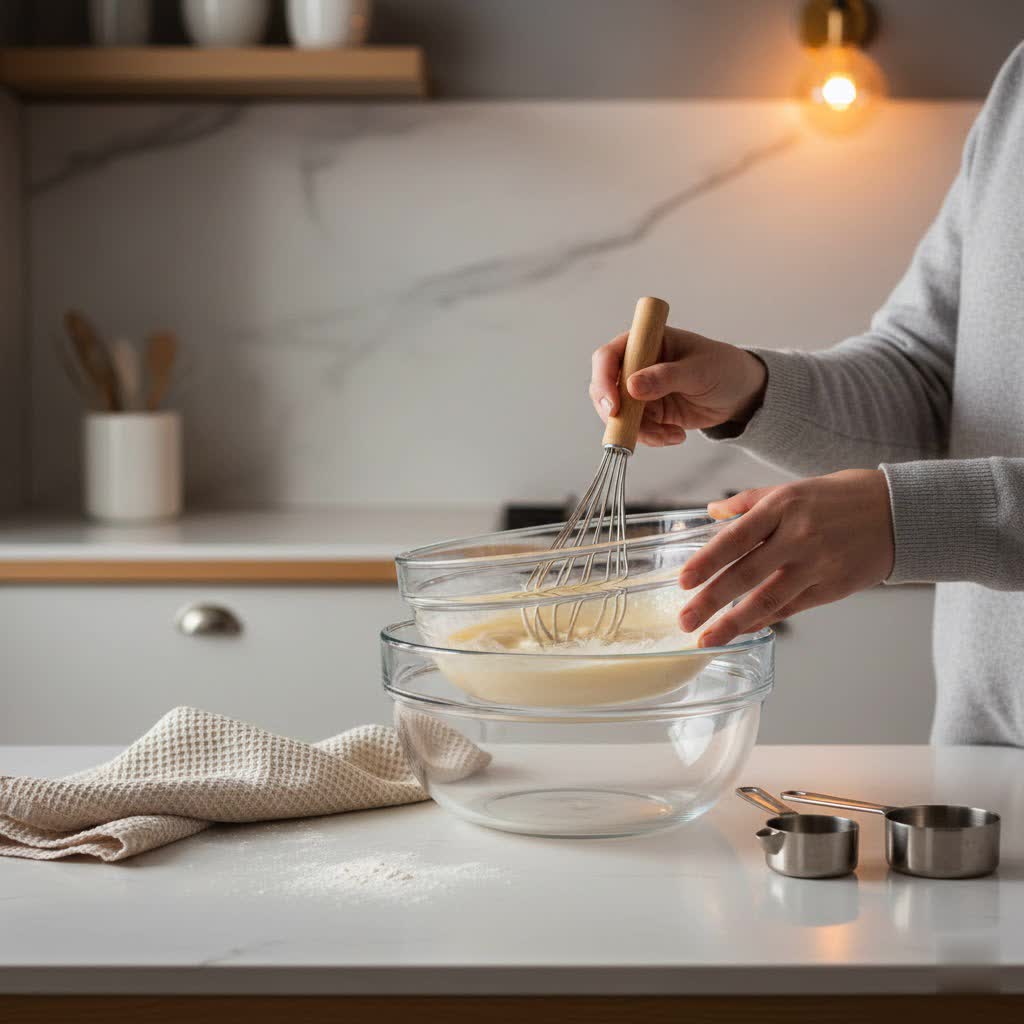
Common Types of Mixing Bowls
Mixing bowls come in an array of materials, each bringing unique characteristics to your kitchen. Understanding these differences can help you appreciate why plastic bowls, despite their potential drawbacks, remain a popular choice for many.
Glass Mixing Bowls
|
Our Picks for the Best Mixing bowl in 2026
As an Amazon Associate I earn from qualifying purchases.
|
||
| Num | Product | Action |
|---|---|---|
| 1 | Winco 5 Quart Heavy-Duty Stainless Steel Mixing Bowl, Deep |

|
| 2 | Glad Mixing Bowls with Pour Spout, Set of 3 | Nesting Design Saves Space | Non-Slip, BPA Free, Dishwasher Safe Plastic | Kitchen Cooking and Baking Supplies, Sage Green |
|
| 3 | Winco , 8-Quart, Stainless Steel (MXB-800Q) |
|
| 4 | Fox Run Brands 2.75-Quart Stainless Steel Mixing Bowl, 9 x 9 x 4 inches, Metallic |
|
| 5 | Glad Mixing Bowls with Pour Spout, Set of 3 | Nesting Design Saves Space | Non-Slip, BPA Free, Dishwasher Safe Plastic | Kitchen Cooking and Baking Supplies, White |
|
| 6 | Cuisinart Mixing Bowl Set, Stainless Steel, 3-Piece, CTG-00-SMB |
|
| 7 | JoyJolt Stainless Steel Mixing Bowl Set - 6 Piece Nesting Bowls, 5qt to 0.5qt, Ideal for Kitchen, Cooking, Baking and Storage |
|
| 8 | OXO Good Grips 5-Quart Mixing Bowl |
|
| 9 | Umite Chef Mixing Bowls with Airtight Lids Set, 8PCS Stainless Steel Khaki Nesting Bowls with Grater Attachments, Kitchen Bowls with Non-Slip Bottoms, Size 5, 4, 3.5, 2, 1.5QT for Mixing & Serving |
|
| 10 | Priority Chef Premium Mixing Bowls With Lids Set, Airtight Lids, Thicker Stainless Steel, Non-Slip Base, 5 Nesting Steel Bowls for Kitchen, Large Prep Metal Bowl Set 1.5/2/3/4/5 Qt, Black |
|
Glass bowls offer a classic aesthetic and several practical benefits. They are non-reactive, meaning they won’t absorb food odors or flavors, nor will they chemically affect your ingredients, even acidic ones. Their transparency allows you to easily monitor mixing progress, and many tempered glass options are microwave, oven, and dishwasher safe, making them incredibly versatile. However, glass bowls can be heavy and are susceptible to breaking if dropped or subjected to sudden temperature changes. They also tend to be less effective for rapidly whisking ingredients like egg whites due to their smooth, non-porous surface.
Stainless Steel Mixing Bowls
Often favored by professional chefs, stainless steel mixing bowls are celebrated for their exceptional durability and lightweight nature. They resist denting, scratching (though cheaper ones can scratch), and warping, making them a long-lasting investment. Stainless steel is also non-reactive to most foods and conducts temperature well, which is advantageous for tasks requiring temperature control, such as chilling ingredients over an ice bath. While generally not microwave-safe, their robustness and ease of cleaning make them a kitchen workhorse.
Plastic Mixing Bowls: Cheap vs. High-Quality Durable
Plastic mixing bowls are perhaps the most ubiquitous, primarily due to their accessibility and affordability. However, the term “plastic” encompasses a wide range of materials and qualities, significantly impacting performance and safety.
Cheap Plastic Mixing Bowls
Often made from less robust polymers, cheap plastic bowls are incredibly lightweight and inexpensive, making them a budget-friendly option for those just starting out or needing disposable bowls for large gatherings. While their low cost is appealing, these bowls frequently come with several compromises. They are prone to staining from vibrant ingredients like tomato sauce and can absorb strong odors from foods such as garlic or onions, making them difficult to fully clean. Furthermore, cheaper plastics may scratch easily, creating crevices where bacteria can harbor and making them unhygienic over time. Some low-quality plastics may even contain harmful chemicals like BPA, plasticizers, or formaldehyde, which can leach into food, especially when exposed to heat. They typically have a shorter lifespan, often becoming brittle, cracked, or warped after repeated use or dishwasher cycles.
High-Quality Durable Plastic Mixing Bowls
Investing in high-quality plastic mixing bowls offers a significant upgrade in both performance and safety. These bowls are typically constructed from food-grade plastics like polypropylene (PP) or high-density polyethylene (HDPE) that are certified BPA-free and free from other harmful chemicals. They are designed for durability, resisting cracks, chips, and breaks even with heavy use. Many premium plastic bowls feature thoughtful designs, including non-slip bases for stability during mixing, ergonomic handles for comfortable grip, and integrated pour spouts for mess-free transfer of ingredients. They are also less likely to stain or absorb odors than their cheaper counterparts and are often microwave and dishwasher safe, enhancing their convenience. While still lightweight, these bowls feel substantial and can withstand the rigors of daily cooking and baking.
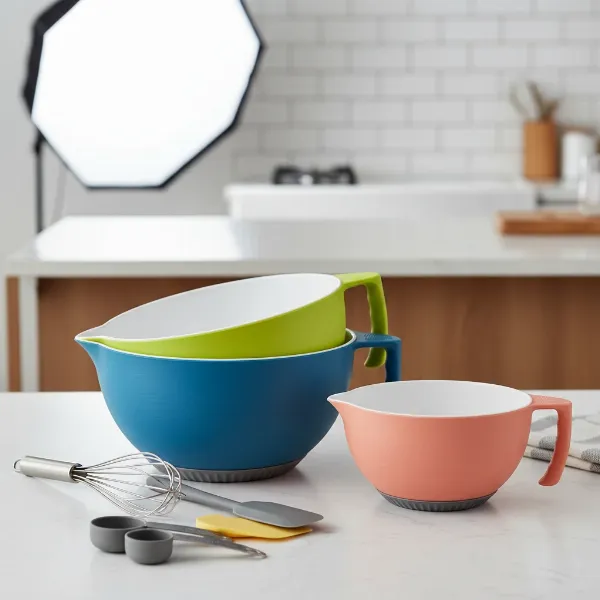 A set of high-quality, durable plastic mixing bowls in various sizes, with non-slip bases and comfortable handles.
Ceramic Mixing Bowls
Ceramic mixing bowls, including stoneware and earthenware, are cherished for their aesthetic appeal and ability to retain temperature, making them excellent for tasks like proofing dough or keeping food warm. They are generally heavier and more prone to chipping or breaking than plastic or stainless steel. While beautiful, their weight can make them cumbersome for vigorous mixing, and they may not always be microwave-safe depending on glazes and materials.
Comparing Different Mixing Bowl Materials
Choosing the right mixing bowl often comes down to balancing various features. Here’s a comparative look at the main types:
| Feature | Glass Mixing Bowls | Stainless Steel Mixing Bowls | Plastic Mixing Bowls (Cheap) | Plastic Mixing Bowls (High-Quality Durable) | Ceramic Mixing Bowls |
|---|---|---|---|---|---|
| Durability | Medium (breakable) | High | Low (scratches, stains, warps) | High (crack/chip resistant, long-lasting) | Medium (chips, heavy) |
| Weight | Heavy | Light | Very Light | Light | Heavy |
| Price | Medium | Medium | Very Low | Medium | High |
| Cleaning | Easy | Easy | Medium (stains, absorbs odors) | Easy | Easy |
| Food Safety | High | High | Variable (potential leaching) | High (BPA-free, food-grade) | High |
| Heat Use | High (microwave/oven safe) | Medium (not microwave) | Low (melts, warps) | Medium (microwave safe, but avoid high direct heat) | High (oven safe, good heat retention) |
| Non-Reactivity | High | High | High | High | High |
Guide to Choosing the Right Mixing Bowl
Selecting the ideal mixing bowl goes beyond just material; it involves understanding your cooking habits and prioritizing key features.
Determine Your Purpose
What will you primarily use the bowl for? If you’re frequently whisking delicate meringues or preparing acidic marinades, material non-reactivity and ease of cleaning are paramount. For robust dough kneading, a sturdy, non-slip bowl is essential. If you often bake and need bowls that can go from fridge to microwave, check for appropriate material. Plastic bowls are excellent for lightweight tasks like mixing salads, pancake batter, or for outdoor use due to their portability and unbreakability. However, for high-heat applications like melting chocolate over a double boiler, stainless steel or glass are superior.
Choose the Appropriate Size
Mixing bowls come in a vast range of capacities, from small prep bowls perfect for a single egg to large, multi-quart bowls suitable for a big batch of cookie dough or a party-sized salad. A good set often includes a variety of sizes that nest for easy storage, accommodating different tasks without cluttering your kitchen. For most households, an assortment of 3-5 bowls ranging from 1 to 5 quarts provides ample versatility.
Prioritize Safe Materials
When it comes to plastic, prioritizing food-grade, BPA-free options is critical for health and safety. Always look for labels indicating “BPA-free” or symbols for polypropylene (PP) or high-density polyethylene (HDPE). High-quality plastics are less likely to leach chemicals, especially when exposed to heat or abrasive cleaning. For other materials, ensure they are non-reactive and suitable for food contact, such as 18/8 or 18/10 food-grade stainless steel.
> “While cheap plastic bowls might save you money upfront, the true cost comes from their limited lifespan and potential for chemical leaching. Investing in durable, food-grade plastic is a smarter choice for both your wallet and your health in the long run.” – Chef Isabella Moretti, Culinary Expert.
Look for Durability and Easy Cleaning
A durable mixing bowl should withstand daily use without easily scratching, cracking, or warping. High-quality plastic bowls, for example, are designed to be more resilient and less prone to common wear and tear. Ease of cleaning is also a significant factor. Dishwasher-safe bowls save time and effort. Consider how well the material resists staining and odor absorption; plastic, in particular, can be notorious for these issues unless it’s a higher-grade material. Features like non-slip bases and smooth interiors contribute to both durability and ease of use, preventing spills and making scraping ingredients simpler.
Consider Reputable Brands
Opting for well-known brands that specialize in kitchenware often guarantees a certain level of quality and customer support. Brands like OXO Good Grips are known for producing durable plastic mixing bowls with user-friendly features like non-slip bottoms and comfortable handles [1, 2 (second search result)]. Reading reviews and checking product specifications can provide insights into a brand’s commitment to quality and safety.
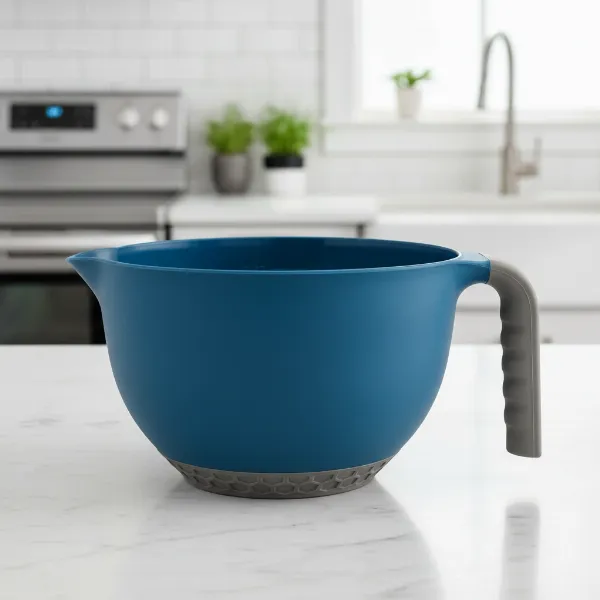 A close-up of a high-quality plastic mixing bowl highlighting features like a non-slip base, pour spout, and ergonomic handle.
Conclusion
Choosing the right plastic mixing bowls for your kitchen is a decision that balances cost, convenience, and safety. While cheap plastic bowls offer an immediate budget-friendly solution, they often fall short in durability, hygiene, and long-term food safety. High-quality, durable plastic mixing bowls, on the other hand, provide a significantly better return on investment through their resilience, superior material safety (BPA-free, food-grade), and thoughtful features that enhance your cooking experience. By considering your specific needs, prioritizing safe materials, and opting for reputable brands, you can confidently select plastic mixing bowls that are not only practical but also stand the test of time, proving to be invaluable companions in your culinary adventures. What type of mixing bowl will elevate your cooking game next?
Frequently Asked Questions
Are cheap plastic mixing bowls safe for all types of food preparation?
Cheap plastic mixing bowls may not be safe for all food preparation, especially with hot or acidic ingredients, as lower-grade plastics can leach harmful chemicals like BPA or formaldehyde into your food. Always check for “food-grade” and “BPA-free” labels, and avoid using them with very hot foods.
How can I tell if a plastic mixing bowl is high-quality and durable?
High-quality durable plastic mixing bowls are typically made from sturdy, thicker plastics like polypropylene (PP) or high-density polyethylene (HDPE). Look for clear “BPA-free” labeling, solid construction, and features like non-slip bases, comfortable handles, and pour spouts. They should feel substantial, not flimsy, and be resistant to scratching and staining.
Can durable plastic mixing bowls go in the microwave?
Many high-quality, durable plastic mixing bowls are designed to be microwave-safe. However, it’s crucial to always check the manufacturer’s instructions and specific product labels before placing any plastic bowl in the microwave, as not all plastics are suitable for microwave use, and even safe ones should not be exposed to excessively high temperatures for long periods.
Why do some plastic bowls absorb odors and stains more easily than others?
The ability of a plastic bowl to absorb odors and stains is largely dependent on the type and quality of the plastic. Cheaper, more porous plastics tend to absorb food particles, oils, and odors more readily. High-quality, denser, and non-porous plastics are typically more resistant to staining and odor retention, making them easier to clean and maintain.