Copper bowls bring a timeless elegance and warmth to any kitchen or home, their distinctive reddish-orange hue adding a touch of classic charm. However, the beauty of copper is often challenged by its natural tendency to tarnish, dimming its radiant shine over time. This common phenomenon, while unavoidable, doesn’t mean your cherished copper pieces are destined for dullness. With the right techniques and a little effort, you can not only restore their original brilliance but also learn how to polish copper bowls and keep them shiny for longer. This comprehensive guide will walk you through effective natural remedies, reliable commercial solutions, and essential maintenance tips to ensure your copper bowls remain a gleaming highlight in your collection.
Understanding Copper Tarnish: The Science Behind the Sheen
Copper tarnish, appearing as a dull, dark, or greenish film on the surface of your bowls, is primarily the result of a natural chemical reaction called oxidation. When copper is exposed to oxygen and moisture in the air, it slowly reacts, forming copper oxide. This process is accelerated by humidity, acidic foods, and even certain airborne pollutants. While some people appreciate the antique patina that tarnish creates, many prefer the bright, lustrous shine of freshly polished copper. Understanding this process is the first step in effectively combating it and maintaining your bowls’ dazzling appearance.
The Essential Toolkit for Copper Polishing
Before you begin the polishing process, gathering the right tools and materials will ensure a smooth and effective restoration. You likely already have many of these items in your pantry and cleaning cabinet.
Your essential toolkit should include:
- Soft cloths or microfiber towels: Crucial for applying polishes and buffing without scratching the delicate copper surface.
- Gloves: Protect your hands from acidic solutions and polishing compounds.
- Small mixing bowls: For preparing homemade polishing pastes.
- Measuring spoons and cups: For accurate recipe proportions.
- Soft-bristled brush (optional): For scrubbing stubborn tarnish in intricate areas.
- Warm water and dish soap: For initial cleaning and final rinses.
- Drying towels: Absolutely essential for thoroughly drying copper after washing to prevent water spots and re-tarnishing.
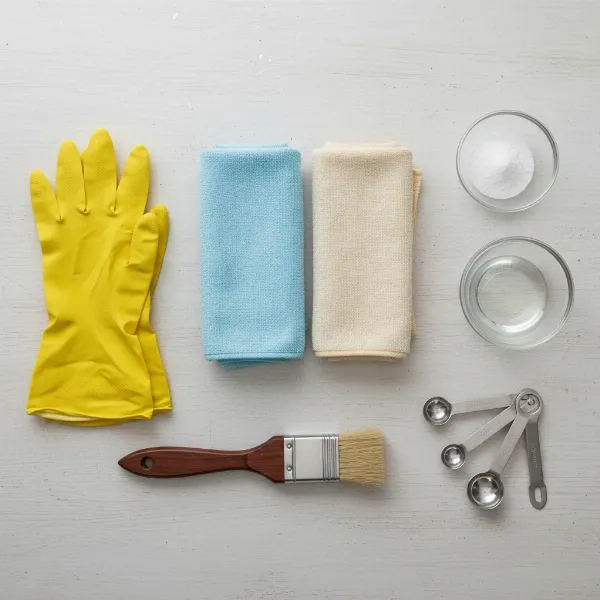 An array of copper polishing tools including soft cloths, gloves, and small mixing bowls for polishing copper bowls.
Natural Methods for Polishing Copper Bowls
Many effective copper polishing solutions can be whipped up using common household ingredients. These natural methods are often surprisingly potent and a great choice for those seeking eco-friendly alternatives.
The Lemon and Salt Power Duo
This classic combination leverages the acidity of lemon juice and the gentle abrasive quality of salt to cut through tarnish. It’s particularly effective for lighter discoloration and quick touch-ups.
- Advantages: Readily available, inexpensive, effective for minor tarnish.
- Disadvantages: May require more effort for heavy tarnish, needs immediate rinsing to prevent etching.
|
Our Picks for the Best Mixing bowl in 2026
As an Amazon Associate I earn from qualifying purchases.
|
||
| Num | Product | Action |
|---|---|---|
| 1 | Glad Mixing Bowls with Pour Spout, Set of 3 | Nesting Design Saves Space | Non-Slip, BPA Free, Dishwasher Safe Plastic | Kitchen Cooking and Baking Supplies, Sage Green |

|
| 2 | Fox Run Brands 2.75-Quart Stainless Steel Mixing Bowl, 9 x 9 x 4 inches, Metallic |
|
| 3 | JoyJolt Stainless Steel Mixing Bowl Set - 6 Piece Nesting Bowls, 5qt to 0.5qt, Ideal for Kitchen, Cooking, Baking and Storage |
|
| 4 | Umite Chef Mixing Bowls with Airtight Lids Set, 8PCS Stainless Steel Khaki Nesting Bowls with Grater Attachments, Kitchen Bowls with Non-Slip Bottoms, Size 5, 4, 3.5, 2, 1.5QT for Mixing & Serving |
|
| 5 | Priority Chef Premium Mixing Bowls With Lids Set, Airtight Lids, Thicker Stainless Steel, Non-Slip Base, 5 Nesting Steel Bowls for Kitchen, Large Prep Metal Bowl Set 1.5/2/3/4/5 Qt, Black |
|
| 6 | Glad Mixing Bowls with Pour Spout, Set of 3 | Nesting Design Saves Space | Non-Slip, BPA Free, Dishwasher Safe Plastic | Kitchen Cooking and Baking Supplies, White |
|
| 7 | Winco , 8-Quart, Stainless Steel (MXB-800Q) |
|
| 8 | Winco 5 Quart Heavy-Duty Stainless Steel Mixing Bowl, Deep |
|
| 9 | Cuisinart Mixing Bowl Set, Stainless Steel, 3-Piece, CTG-00-SMB |
|
| 10 | OXO Good Grips 5-Quart Mixing Bowl |
|
How to use:
- Cut a fresh lemon in half.
- Sprinkle a generous amount of table salt or coarse salt onto the cut side of the lemon.
- Use the salted lemon half like a scrub brush, rubbing it directly onto the tarnished areas of the copper bowl.
- You should quickly see the tarnish begin to lift.
- Immediately wash off the lemon and salt mixture using warm, soapy water, then rinse thoroughly.
- Dry the bowl completely with a clean, soft cloth to prevent water spots.
Vinegar, Flour, and Salt Paste: A Classic Remedy
For more stubborn tarnish, a paste made from vinegar, flour, and salt provides a powerful yet gentle cleaning action. The flour helps to create a thick consistency that adheres well to the copper, allowing the acidic vinegar and abrasive salt more contact time.
- Advantages: Highly effective for moderate to heavy tarnish, ingredients are common household items.
- Disadvantages: Requires mixing, needs a longer dwell time for best results.
How to use:
- In a small bowl, mix 1/4 cup salt and 1/4 cup flour.
- Gradually add enough white vinegar (or lemon juice) to form a thick, smooth paste.
- Apply the paste generously to the tarnished areas of your copper bowl.
- Let the paste sit for approximately 30 minutes to one hour, especially for heavily tarnished spots.
- Using a soft cloth or a soft-bristled brush, gently scrub the paste into the copper, working in circular motions.
- Rinse the copper thoroughly with warm water to remove all paste residue.
- Dry immediately and completely with a clean, soft cloth.
Tomato Paste or Ketchup: An Unexpected Solution
The acidity in tomatoes, similar to vinegar and lemon, makes tomato paste or ketchup a surprisingly effective, albeit unconventional, copper cleaner.
- Advantages: Utilizes common pantry items, good for lighter tarnish.
- Disadvantages: Can be a bit messy, may not be potent enough for severe tarnish.
How to use:
- Mix two parts tomato paste (or ketchup) with one part coarse salt in a bowl.
- Rub the mixture onto the copper surface of your bowl.
- Allow the paste to sit for a few minutes to let the acidity work its magic.
- Wipe off the paste with a soft cloth.
- Rinse thoroughly with warm water and dry immediately to avoid water spots.
Commercial Products for Stubborn Tarnish
While natural remedies are excellent, some persistent tarnish or a desire for a quicker solution might lead you to commercial copper cleaners. These products are formulated specifically to tackle tough discoloration and often provide a brilliant shine.
Bar Keepers Friend: A Versatile Cleaner
Bar Keepers Friend is a popular choice for many types of metal cleaning, including copper. Its oxalic acid formula is highly effective at removing tarnish and restoring shine.
- Description and use: Available in powder or liquid form. For copper, wet a sponge, apply a small amount of Bar Keepers Friend, and gently scrub the tarnished areas. The acid reacts with the copper to remove tarnish. Rinse thoroughly and dry completely. It’s known for bringing back a rosy copper color.
Dedicated Copper Polishes and Sealants
For an extra level of shine and protection, specialized copper polishes and sealants are available. Products like Flitz Brass & Copper Tarnish Remover are designed to quickly clean and polish. Following up with a clear sealant, such as Bling Master Bling Barrier or Everbrite Clear Coat, can provide a protective layer that helps prevent future tarnishing, keeping your copper bowls shiny for extended periods.
Table: Comparing Copper Polishing Methods
Choosing the right polishing method depends on the level of tarnish, desired effort, and available materials. Here’s a comparison to help you decide:
| Method | Effectiveness | Ease of Use | Cost | Tarnish Removal | Shine Duration |
|---|---|---|---|---|---|
| Lemon & Salt | High (light tarnish) | High | Low | Good | Short |
| Vinegar, Flour & Salt Paste | High (medium tarnish) | Medium | Low | Very Good | Medium |
| Tomato Paste & Salt | Medium (light tarnish) | High | Low | Good | Short |
| Bar Keepers Friend | Very High (stubborn tarnish) | Medium | Medium | Excellent | Medium |
| Commercial Polish + Sealant | Very High (all tarnish + protection) | Medium | High | Excellent | Long |
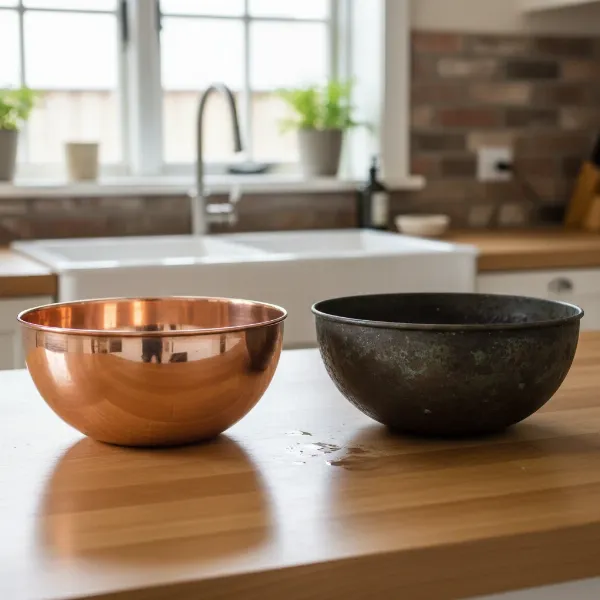 A comparison of a shiny, polished copper bowl next to a dull, tarnished one, highlighting the before and after effect of cleaning.
Step-by-Step Guide to Achieving a Lasting Shine
Whether you choose a natural remedy or a commercial product, following a systematic approach is key to successfully polishing your copper bowls and achieving a lasting shine.
Preparation: Setting the Stage for Success
Before applying any polish, ensure your copper bowl is clean of food residues or grease. Wash it with warm water and dish soap, then rinse and dry it thoroughly. This initial cleaning removes surface contaminants that could interfere with the polishing process or scratch the copper. Always wear gloves to protect your hands, especially when working with acidic solutions.
Application and Gentle Scrubbing
Apply your chosen polishing paste or solution to a soft cloth or sponge. Work in small sections, rubbing the polish onto the copper surface in a circular motion. For stubborn tarnish, you may need to apply a bit more pressure or let the solution sit for the recommended dwell time. Avoid harsh scrubbing pads or abrasive materials, as these can scratch the copper.
Rinsing and Drying: The Critical Final Steps
Once you’ve polished the entire bowl and removed the tarnish, rinse it under warm running water to remove all traces of the cleaning agent. This step is crucial, as any leftover residue can lead to new discoloration. Immediately after rinsing, dry the copper bowl thoroughly with a clean, soft microfiber towel. Air drying or allowing water to sit on the surface can lead to unsightly water spots and expedite the return of tarnish. Complete dryness is your best friend in maintaining that freshly polished look.
The Sealing Secret: Protecting Your Copper’s Luster
For long-term shine, consider applying a protective sealant after polishing. These clear coatings create a barrier between the copper and the air, significantly slowing down the oxidation process. Products specifically designed for metal, like clear lacquer or wax coatings, can be applied thinly and evenly according to the manufacturer’s instructions. This step is particularly beneficial for decorative copper bowls or those not used for cooking.
“Consistency in care, especially thorough drying and considering a protective sealant, is what truly differentiates long-lasting copper brilliance from a fleeting shine.” – Alex Chen, Master Metalsmith
Maintaining the Radiance: Long-Term Care for Copper Bowls
Polishing is only one part of the equation; consistent care is what keeps your copper bowls looking their best between deep cleans.
- Regular Gentle Cleaning: After each use, especially if used for food, wash your copper bowls with warm water and mild dish soap. Avoid harsh detergents or abrasive sponges.
- Immediate Drying: This cannot be stressed enough. Always dry your copper bowls completely and immediately after washing to prevent water spots and the onset of tarnish.
- Proper Storage: Store copper bowls in a dry environment. If possible, minimize their exposure to air by wrapping them in soft cloth or storing them in airtight containers when not in use, especially for decorative pieces.
- Avoid Abrasive Cleaners: Never use steel wool, scouring pads, or harsh chemical cleaners on copper, as these can permanently scratch the surface and damage its integrity.
Conclusion
Copper bowls, with their inherent beauty, deserve to shine. While tarnish is a natural process, it’s a manageable one. By employing effective polishing techniques, whether through readily available natural ingredients like lemon and salt or specialized commercial products, you can easily restore their dazzling luster. The secret to long-lasting brilliance, however, lies in consistent care, meticulous drying, and, for some, the added protection of a sealant. Embrace these practices, and your copper bowls will continue to be a source of pride and elegance in your home for years to come. What’s your favorite tip for keeping copper bowls gleaming?
Frequently Asked Questions
How often should I polish my copper bowls?
The frequency depends on how often you use them and their exposure to air and moisture. For frequently used bowls, a quick polish every few weeks might be necessary. Decorative bowls stored in a low-humidity environment might only need polishing every few months or as tarnish becomes noticeable. Regular gentle cleaning and immediate drying after each use can significantly extend the time between deep polishes.
Can I use steel wool or abrasive scrubbers on copper?
No, you should never use steel wool, abrasive scrubbers, or harsh scouring pads on copper bowls. These materials are too abrasive and will scratch the soft copper surface, potentially causing permanent damage and making future tarnish more difficult to remove evenly. Always opt for soft cloths, microfiber towels, or a soft-bristled brush.
Is it safe to use acidic cleaners on copper bowls used for food?
Yes, it is generally safe to use acidic cleaners like lemon juice or vinegar on copper bowls, even those used for food, as long as they are thoroughly rinsed and dried afterward. The acidic solutions effectively remove tarnish, but any residue left behind could react with food. Always ensure the bowl is completely clean and dry before food contact.
What is the best way to store copper bowls to prevent tarnish?
To best prevent tarnish, store copper bowls in a dry place with minimal exposure to air. Wrapping them in soft, acid-free cloth or storing them in an airtight cabinet or container can help create a barrier against oxygen and moisture, which are the primary causes of tarnish. Avoid storing them in humid areas like near sinks or open windows.